

Seasons Of Fury: Stories Of Four Muslim Families Who Fought a Battle For Existence And Destiny In America

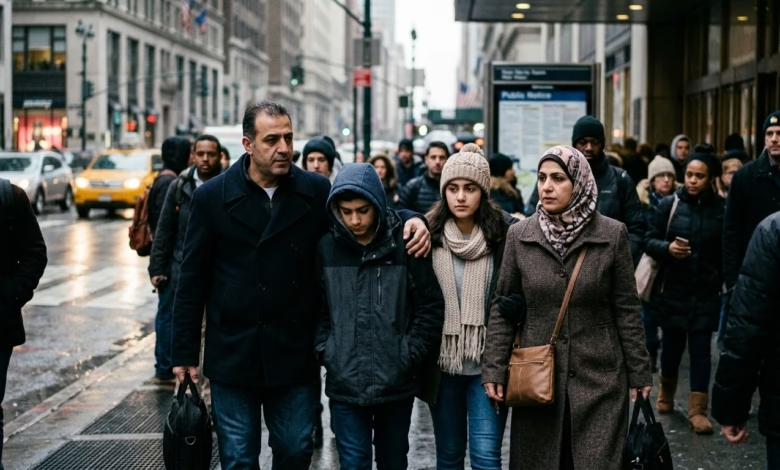
Roots Of Apprehension And Consequences Of Integration.. A Reading In The Forgotten History Of Muslims In America
The Prominent Writer And Journalist Rozina Ali In Her Book: “Seasons Of Fury Four Families And The Rise Of Islamophobia In America ” Conducts A Review On The Occasion Of A Quarter Century Since The Events Of September Eleventh, To Tell The Story Of America From An Angle That Is Often Marginalized Or Flattened In The Dominant Media Narratives.
The Book Opens The Scene With A Prologue, Where Rozina Ali Places Us Before The Mirror Of Her Personal Memory In The San Joaquin Valley In The State Of California. On That Pivotal Day In World History, September Eleventh 2001, The Writer Was Still A Teenager Living In A Quiet Farming Town, Surrounded By Almond And Grape Fields That Seem Isolated From The Noise Of The Outside World And Its Crises. Rozina At That Time Believes That The Repercussions Of The Horrific Terrorist Attacks That Struck New York And Washington Will Remain Far From Her Small World, And That Its Repercussions Will Be Felt In Foreign Cities Across The Ocean Before Reaching Their Doorstep. But The Illusion Quickly Dissipates When Her Father Summons Her On The Evening Of That Same Day, And In A Low Voice Burdened With Accumulated Terror From Old Memories In Karachi During Tensions With India, He Gives Her A Decisive Instruction That Will Change The Course Of Her Consciousness: “Do Not Tell Anyone That You Are Muslim”. And He Adds That If Any Stranger Asks Her, The Answer Should Be That They Are “Hindus”.
This Shocking Moment Of Forced Self-Denial Forms The Spark For This Huge Work. The Writer Bitterly Wonders About This Paternal Fear That At First Seemed To Her A Kind Of Unjustified “Paranoia”, Especially Since She Grew Up Believing Firmly In The Promises Of Equality And American Civil Rights. But The Days And Years That Followed Proved That Her Parents’ Terror Was Justified, Where The Phrase “Walls Have Ears” Became A Daily Law Governing The Lives Of Her Family And Many Muslim Families Throughout The United States. America Suddenly In The Eyes Of These Immigrants Became Replicas Of The Repressive Regimes From Which They Fled, Whether It Was The Security State Of Pakistan, Or The Heavy Grip Of The Egyptian State, Or The Watchful Eyes Of The Syrian Regime.
From This Deep Personal Starting Point, Rozina Ali Builds The Structure Of Her Book Around Tracking The Lives Of Four Muslim Families In The United States (Jabara, Choudhury, Siraj, And Omar). What Is Beautiful And Distinctive In This Methodological Choice Is That The Paths Of These Families Do Not Necessarily Intersect, And The Writer Does Not Claim That They Represent A Typical Statistical Sample That Reduces All American Muslims. On The Contrary, These Characters Come From Severely Diverse Ethnic And Political And Economic Backgrounds, And Carry Varying Degrees Of Religious Commitment. Some Of Them Were Born On American Soil, And Others Came As Immigrants Searching For A Better Life. And Together, They Form An Integrated Fabric That Reflects The American Islamic Experience In Recent Decades, An Experience Shaped By Turbulent Foreign Policies, And Suffocating Government Surveillance That Led To The Deportation Of Thousands, And Widespread Suspicions Toward Islam, In Addition To The Escalation Of Violence And Hate Crimes That Rose By An Astronomical Rate Of 1600 Percent In The Months Following The September Events.
In The First Part Of The Book (1940-2000), The Author Takes Us On A Temporal Journey To Introduce Us To The “Jabara” Family, Highlighting The Early Beginnings Of The Arab And Islamic Presence In America, A History That Predates By Far The Post-September Eleventh Cliches. We Get To Know The Grandfather “Sam” (Whose Original Name Was Mohammed Ali Jabara), The Young Man Who Left His Village In Greater Syria (Which Later Became Part Of Lebanon) Heading To The United States. His Parents Paid Part Of Their Land To Finance His Journey Across The Sea From Beirut To Marseille Then New York, To End Up As An Itinerant Peddler And A Worker In A Leather Factory, Before Settling In The Small Town Of “Mancelona” In Northern Michigan And Opening His Own Grocery Store.
The Writer Draws The Details Of His Marriage To “Maimouni”, The Girl Descended From A Syrian Family That Settled In The Harsh Agricultural Lands Of North Dakota. We See Through The Story Of Sam And Maimouni How These Early Pioneers Tried To Balance Between Integration Into Their New Society Represented By The American Midwest, And Preserving Fragments Of Their Original Identity. Sam Used To Bring Carpets And Brass Lamps From Damascus To Decorate His Home, And Listen Passionately To Arabic Music Records That Reached Him From Brooklyn, And Sing In A Low Voice The Old “Ataba” Chants While Driving His Car. At The Same Time, They Were An Integral Part Of The Fabric Of The Town Of Mancelona, To The Extent That They Found In The Local “Masonic Temple” A Social Alternative To The Absence Of A Mosque, And Perhaps What Attracted Them In That Was Some Symbols That Freemasonry Borrowed From The East Such As The “Fez”.
Rozina Ali Delves Into Reviewing The Broader Scene Of Arab Immigration To Detroit, Where The Promises Of “Henry Ford” To Pay Five Dollars A Day Attracted Thousands Of Immigrants To Work In Car Factories. The Writer Describes How Streets Near The Factories Turned Into Communities That Speak Arabic, And How Early Religious Figures Emerged Such As Imam Hussein Adib Karoub, Who Came From The Bekaa Plain To Be A Spiritual Reference Who Marries People And Performs Burial Rituals And Collects Donations To Build The First Mosques Of Detroit. Indeed Imam Karoub Opened His Doors To Black Converts From The American South Who Resorted To Islam Fleeing From Systematic Racial Discrimination In Their Jobs And Housing, Reflecting An Early Historical Intersection Between Civil Rights Movements And Islamic Identity In America.
The Story Takes A Tragic And Pivotal Turn With The Sudden Death Of The Father “Sam” In A Horrific Traffic Accident In 1951, While He Was Driving His Truck With His Young Son “Abdeen” Beside Him. This Incident Left Abdeen Orphaned Suffering From Severe Physical Injuries, But It Also Left Deep Psychological Scars That Shaped His Life Path Later. In The Absence Of The Father Who Represented The Bridge Linking With The “Old World” And Its Language That The Children Did Not Master Well, Abdeen Found Himself Passionately Searching For His Identity. He Was Strongly Influenced By The Rise Of The Arab Nationalist Tide Led By Gamal Abdel Nasser In The Fifties, And Saw In Him A Model Of Dignity And Justice And Independence, To The Extent That He Delivered An Enthusiastic Speech In Arabic In A Local School Competition Glorifying Arab Nationalism.
The Scope Of The Book Expands To Cover The Turbulent Sixties, Where We Accompany The Young Abdeen Jabara Who Had Just Graduated From Law School And Moved To Live In Detroit. There, His Idealism Collides With The Reality Of Racial Division And Urban Poverty In America, Which Was Clearly Manifested In The Bloody Detroit Uprising In The Summer Of 1967, Which Erupted After A Violent Police Raid On A Black American Neighborhood, And Resulted In Dozens Killed And Thousands Of Buildings Destroyed. In The Midst Of These Flames Burning Locally, The Six-Day War Erupts In The Middle East (June 1967), To Form A Deep Political And Psychological Earthquake For Abdeen And For The Arab Community In America. The Crushing Military Defeat Of The Arab Armies Before Israel, And The Unconditional American Support For The Latter, Pushed Arab American Elites And Intellectuals To Reorganize Their Ranks. We See In The Book How The “Association Of Arab-American University Graduates” (AAUG) Was Founded With The Participation Of Prominent Academic Figures Such As Edward Said And Eqbal Ahmad, With The Aim Of Changing The American Narrative About The Conflict In The Middle East And Spreading Awareness Of The Palestinian Cause.
However Abdeen, The Practical Lawyer, Realized That The Real Battle Is Not Limited To The University Campus And Academic Conferences, But Must Be Fought In The Streets And Factories And Working-Class Neighborhoods, Specifically In The “South End” Neighborhood In Dearborn. This Neighborhood Inhabited By A Hardworking Majority Of Arab Immigrants And Centered Around Ford Factories, Was Facing An Existential Threat From The Racist Mayor Of The City Orville Hubbard, Who Sought To Demolish Their Homes Under The Guise Of “Urban Renewal”. Here, The Character Of “Ron Amen”, The Young American Of Lebanese Origin And Newly Returned From The Hell Of The Vietnam War Carrying Deep Psychological Trauma And A Sense Of Guilt For Fighting In A War He Considered “The Greatest Waste Of Human Effort” Emerges. Ron Returns To Find His Community Threatened, So He Engages With His Comrades In Founding A Popular Resistance Movement That Later Resulted In The Establishment Of The “Arab Community Center For Economic And Social Services” (ACCESS).
Through These Moves, The Book Documents The Beginning Of The Crystallization Of An Arab American Political Consciousness That Challenges Arbitrary Domestic And Local Policies, And At The Same Time Raises Its Voice Against Biased American Foreign Policy. These Activists Succeed In Organizing Labor Strikes And Protest Marches, Such As The Massive Demonstration Against The Purchase By The United Auto Workers Union (UAW) Of Israeli Bonds. But This Rise In Political Activity Did Not Pass Without A Heavy Price, As Soon These Young Leaderships, At Their Head The Lawyer Abdeen Jabara, Found Themselves Under The Lens Of Strict Government Surveillance.
In The Early Seventies, Under The Administration Of Richard Nixon And The Administration Of J. Edgar Hoover For The Federal Bureau Of Investigation, The Government Launched A Wide-Scale Eavesdropping And Surveillance Operation Known As “Operation Boulder” In The Aftermath Of The Munich Operation In 1972. The Declared Goal Was To Fight “Terrorism”, But Implementation On The Ground Turned Into A Campaign Of Intimidation And Racial Profiling Targeting Arab American Students And Activists And Citizens Merely For Their Peaceful Political Activity Or Sympathy With Palestinian Rights. Abdeen Jabara Discovers By Chance That His Bank Account And Telephone Lines Are Subject To Federal Surveillance, And That He Is Classified Within Official Watch Lists.
Instead Of Succumbing And Fear, Abdeen Decides To Sue The Federal Bureau Of Investigation (FBI) Supported By The American Civil Liberties Union. The Long Legal Battle Reveals Shocking Surprises: The Government Had Been Spying On Him Since 1967 (That Is Years Before Operation Boulder), And Had Passed His Personal Information To Foreign And Israeli Agencies, Indeed The National Security Agency (NSA) Was Involved In Intercepting His International Communications, In A Dangerous Precedent For Targeting An American Citizen.
These Complex Events That Rozina Ali Narrates In The First Chapters, Do Not Represent Merely Documentation Of The History Of A Family Or An Individual, But Are A Precise Dissection Of The Historical And Institutional Roots Of The Phenomenon Of “Islamophobia” And The Criminalization Of Arab Identity In The United States. It Proves That What Happened After September Eleventh Was Not A Sudden Deviation From American Values, But Was An Escalation Of Surveillance And Exclusionary Policies And Practices Whose Seeds Were Planted And Nurtured Over Long Decades.
The Transition From The Surging Political Movement In The Sixties And Seventies, Embodied By The March Of Lawyer Abdeen Jabara And His Legal Battles Against Government Surveillance, To The Later Decades, Represents In Rozina Ali’s Book A Transition From The Stage Of Open Confrontation To The Stage Of Structural And Institutional Establishment Of Systematic Apprehension. In The Stage From Our Deep Analytical Reading, We Focus On The Transformations In The Eighties And Nineties, Which Is The Era That Paved The Legislative And Psychological And Political Ground For The Bigger Explosion That Would Follow The Events Of September Eleventh. The Writer Brilliantly Transfers Us From The Clamor Of Working-Class Streets In Detroit To The Calm Of Dreamy American Suburbs, Where We Try To Explore The Other Face Of The Islamic Experience In The United States: The Face Of The Strenuous Quest Toward Absolute Integration, And Embracing What Is Known As The “American Dream”, Through The Story Of The Choudhury Family, Specifically The Character Of Mohammed Ali Choudhury.
Mohammed Ali Choudhury Represents In This Work The Psychological And Social Antithesis Of The Model Of The Rebellious Activist. He Is The Immigrant Who Came To The United States Carrying In His Bag Wide Academic And Professional Ambitions, And Ready To Play According To The Rules Of The New Society In All Its Details. Rozina Ali Reviews Choudhury’s Career And How He Was Able, Thanks To His Education And Hard Work, To Climb The Social And Economic Ladder, To Settle In One Of The Upscale Suburbs, Involved In Civic And Local Political Life With All Passion. He Saw In America The Land Of Opportunities That Does Not Care About The Background Of The Individual As Much As It Cares About His Competence And His Contribution To His Society. Choudhury Was Involved In School Committees, And Municipal Councils, And Tried Hard To Be The Living Embodiment Of The Model Of The “Successful Minority” That Proves Its Loyalty Through Public Work And Community Service. However The Tragedy That The Writer Slowly Weaves Through This Character Lies In The Gradual And Harsh Discovery That This Integration, No Matter How Deep And Sincere It Is, Remains Fragile And Liable To Collapse At The First Security Turn Or Major Political Crisis. Choudhury’s Story Raises A Burning Philosophical And Social Question That Extends Across The Pages Of The Book: Can The American Muslim, No Matter How Hard He Tries To Prove His Americanness, Finally Get Rid Of The Burden Of The “Other” Who Is Always Viewed With An Eye Of Suspicion?
To Explain This Rooted Apprehension, Rozina Ali Does Not Content Herself With Narrating Personal Stories, But Dives Deep Into The Geopolitical And Legislative Transformations That Shaped The View Of The Official American Institution Toward Citizens And Residents Of Arab And Islamic Origins. And She Puts Her Hand On The Deep Wound Represented By The Decisive Role That Conflicts In The Middle East Played, At The Top Of Which Is The Israeli Palestinian Conflict, In Shaping This Hostile Narrative. The Writer Clarifies How The Growing American Israeli Relations And The Perspective That Washington Adopted Toward The Middle East Reflected Directly On Domestic Policies, Where The Process Of “Humanizing” Or “Demonizing” Individuals Began Based On Their Positions On This Conflict. The Palestinian Cause, And The Whole Issues Of The Islamic World, Were Framed Exclusively Through The Lens Of “National Security” And Terrorism, Which Inevitably Led To Placing Arab And Islamic Communities In America Under The Burden Of Sustainable Doubt.
This Organic Link Between Foreign Policy And Domestic Practices Was Clearly Manifested In The Nineties, Which Is The Era That The Writer Considers Pivotal In The History Of American Legislations Related To Terrorism. In That Period, Laws And Legislations Were Enacted That Expanded In A Dangerous And Elastic Way The Definition Of “Terrorism” And Association With Terrorist Organizations. These Laws Were Not Just Dry Legal Texts, But Were Like Wide Nets That Were Cast To Criminalize A Wide Range Of Civil Activities, Such As Charitable Donations, And Freedom Of Expression, And Peaceful Political Organization. These Legislations Created A Legal Environment That Allows Targeting Individuals Who Have Nothing To Do With Violence, Only Because Of Their Ethnic Or Religious Or National Ties, Paving The Way For Wide-Scale Violations Of Civil Liberties, Which Would Escalate Dramatically Later.
And In The Midst Of This Environment Charged With Anticipation And Loose Legislations, The Story Of The Siraj Family Emerges, Specifically Shahina And Mateen Siraj, As A Living And Painful Testimony To The High Human Cost Of Surveillance And Infiltration Policies. Rozina Ali Moves Us To Urban Neighborhoods Inhabited By Working And Middle Classes Of Muslims, To Reveal To Us A Phenomenon Of Extreme Danger That Destroyed The Social Fabric Of These Communities: The Phenomenon Of Secret Informants And Provocative Agents. The Security Agencies, Such As The Central Intelligence Agency And The Federal Bureau Of Investigation And Local Police Departments, Were Not Content With Remote Surveillance, But Planted Agents And Informants Inside Mosques, And Cafes, And Student Gatherings, And Charitable Associations.
The Writer Describes How Places Of Worship And Safe Gathering Places Turned Into Security Traps. The Role Of These Informants Was Not Limited To Collecting Passive Information, But Exceeded It To “Entrapment”, Where They Would Approach Marginalized Or Disturbed Youth, And Indoctrinate Them With Extremist Ideas, And Provide Them With Illusory Plans And Means To Implement Them, Then Arrest Them At The Last Moment To Manufacture A Showy Security Victory Before The Media. The Story Of The Siraj Family Reflects The State Of Paranoia And Daily Terror That Swept Muslim Families; That Suffocating Feeling That “Someone Is Watching Us” Always. This Systematic Infiltration Led To The Collapse Of Trust Within Muslim Communities, So The Neighbor Feared His Neighbor, And Talking About Politics Or Even About Matters Of Religion Inside The Mosque Became Fraught With Risks, Imposing A State Of Isolation And Harsh Self-Censorship That Aborted Freedom Of Expression In Its Cradle.
But How Was It Possible To Pass All These Violations And Normalize Them In A Society That Boasts Of Democracy And Freedoms? Here Rozina Ali Reveals Another Layer Of Layers Of Manufacturing Islamophobia, Which Is The Intellectual And Media Layer That Provided The Moral And Theoretical Cover For These Policies. The Writer Sheds Light On The Rise Of A Complex And Well-Funded Network Of Research Institutions, And Non-Profit Organizations, And Media Personalities, That Took Upon Itself The Mission Of Planting Systematic Panic And Spreading Moral Panic About The “Threat” That Islam Itself Represents. This Industry, As Many Political Literatures Call It, Was Not Just An Spontaneous Reaction, But Was An Organized Effort To Frame Islam Not As A Heavenly Religion, But As A Totalitarian And Hostile Ideology To Western Values.
This Network Succeeded In Promoting The Narrative Of “Civilizational Conflict” That Places Islam And The West In A State Of Inevitable Existential Hostility. And Through Publishing Reports, And Hosting Seminars, And Intensive Appearance On News Channels, These Voices Were Able To Influence Public Opinion And Decision Makers Alike. The American Muslim Was Portrayed As A Fifth Column, And As Sleeper Cells Biding Their Time To Pounce On The Society That Sheltered Them. This Directed Media And Academic Pumping Did Not Only Content Itself With Justifying Harsh Surveillance Policies And Legal Narrowing, But Also Led To Preparing The General Popular Mood To Accept Grave Violations That Would Be Committed Later, And Made Verbal And Physical Violence Against Muslims In Streets And Workplaces Something That Can Be Justified, Or At Least Overlooked.
The Precise Examination That Rozina Ali Provides For The Nineties Proves Beyond Any Doubt That What Is Called The “War On Terror” Inside America Did Not Begin On The Morning Of September Eleventh 2001, But That Tragic Day Was Just A Catalyst And Accelerator That Led To Unleashing A Repressive Machine That Had Been Established And Tested Legislatively And In Intelligence And Media Over Decades. Through Reviewing The Contradictions Between The Quest Of The Choudhury Family For Peaceful Integration And Good Citizenship, And The Shocking Facts Of Security Penetration That Families Such As The Siraj Family Suffered, The Writer Draws A Gloomy Painting Of A Society In Which The Social Contract Between The State And Its Citizens Is Dismantled Based On Religious And Ethnic Identity.
This Stage That We Deal With Is The Stage Of Accumulation Of Anger, And Consecration Of Stereotypes, And Building Legislative And Psychological Prisons In Which Hundreds Of Thousands Of American Muslims Will Be Thrown. And In The Next Third Push, We Will See How The Shock Of The Collapse Of The Twin Towers Led To The Ignition Of This Paved Ground, And How Loose Laws And Secret Surveillance Turned Into Mass Arrest Campaigns, And Forced Deportation Operations, And A Radical Transformation In The Concept Of American Justice, Tracking In That The Impact Of These Earthquakes On The Lives Of The Families That The Writer Took As The Axis Of Her Historical Narrative.
Developments Intensify And The Tragedy Reaches Its Dramatic Peak With The Arrival Of The Morning Of September Eleventh 2001, Which Is The Date That Represents In The Historical Narrative Of The Book An Explosion Of A Scene That Was Being Prepared And Prepared In The Shadows Across Long Decades. We Enter The Hell Of The First Years That Followed The Attack On The World Trade Center Towers And The Pentagon Building, To Witness How “National Fear” Turned Into Repressive Legislations, And How Security Agencies Turned Into A Tool For Social Engineering And Inspection In The Consciences And Destinies Of Hundreds Of Thousands Of American Muslims. Surveillance Was No Longer Just Secret Files Kept In The Drawers Of The Federal Bureau Of Investigation As Was The Case With Abdeen Jabara In The Seventies, But Became Raids On The Homes Of Safe Families In The Dusk Of Night, And Arrests Without Charges, And Forced Deportation Journeys That Tear Apart The Limbs Of Families, And Security Entrapment Carefully Designed To Hunt Marginalized Youth.
The Writer Opens This Dark Stage By Presenting A Vivid Picture Of The Social Terror That Swept Neighborhoods Inhabited By Muslim Immigrants And Workers In New York And New Jersey And Chicago. In The Neighborhood Of “Jackson Heights” Or “Bay Ridge”, The Manifestations Of Life And Joy Suddenly Disappeared; Shops Were Closed, And Women In Their Traditional Clothes Withdrew From The Streets, And American Flags And Religious Supplications Written In Urdu And Arabic Languages Were Hung On Windows As A Type Of Protection And Seeking Loyalty To The National Loyalty In Face Of Waves Of Violence And Racist Riots That Erupted In Various States. Amid This Panic, Rights-Based Labor And Youth Organizations Were Formed From The Collective Womb Of The Community, Such As The Organization “DRUM – Desis Rising Up And Moving” Led By Actors Such As Monami Maulik And Fahad Ahmed, Where The Phones Of These Small Organizations Turned Into Hotlines That Do Not Stop Ringing Around The Clock, Meeting The Screams Of Wives And Mothers Who Seek Help Searching For Their Husbands And Sons Who Suddenly Disappeared Without A Trace.
From The Corridors Of This Forced Disappearance, Rozina Ali Goes Into The Details Of The Story Of The Family Of Ansar Mahmood And His Wife Ozma Ahmid In The City Of Bayonne In The State Of New Jersey. Ansar Was A Hardworking Immigrant Working In Driving Trucks And Transporting Goods, Seeking To Raise His Four Children And Provide A Decent Life And A Warm Home For Them. And On The Morning Of The Third Of October 2001, More Than Ten Elements Of The Federal Bureau Of Investigation Stormed The Family Home, And Searched The Closets And Tampered With Personal Belongings, Before Taking Ansar Handcuffed Before The Eyes Of His Young Children, Merely Because His Immigration Status Was Not Complete And For Flimsy Suspicions With No Basis In Truth. Ansar Entered A Dark Tunnel Of Detention In The “MDC” Prison In Brooklyn, Where He Was Placed In The Solitary Confinement Wing Designated For The Notorious September Eleventh Detainees, And Was Subjected To Beating And Abuse And Humiliation At The Hands Of Guards, While His Wife Ozma Went Through A Bitter Journey Of Suffering Between Courts And Prison Administrations And Government Offices Searching For Her Absent Husband, Without Being Able For Long Weeks Even To Hear His Voice Or Know The Charge Directed At Him.
The Writer Shows How The Administration Of President George Bush And His Attorney General John Ashcroft Used Exceptional Legislations, At The Top Of Which Is The “Patriot Act”, To Grant Federal Agencies Absolute Powers Not Subject To Judicial Oversight. And The Matter Did Not Stop At Random Arrests, But Exceeded That To Launching The “Special Registration Of Foreigners” Known As (NSEERS), Which Is The Program Invented By The Conservative Lawyer Kris Kobach. This Program Imposed On All Men And Boys From The Age Of Sixteen And Above, Coming From Twenty-Four Countries With A Muslim Majority, The Compulsory Attendance To Immigration Offices To Take Fingerprints, And Photographing, And Undergoing Lengthy Interrogations About Their Beliefs And Their Religious Practices And Their Political Positions.
The Writer Describes The Tragic Scenes In Front Of The “Federal Plaza” Center In New York, Where Thousands Of Men And Youth Stood, Including The Young Mateen Siraj And His Father Siraj Who Belong To The Pakistani Siraj Family, In Long Queues Under The Bitter Cold Since The Early Hours Of Morning. These Immigrants Were Facing A Choice Whose Sweetest Is Bitter: Either Submit To Registration And Risk Immediate Arrest And Deportation If Any Deficiency In Residence Documents Is Found, And Either Refrain From Attending And Bear The Risk Of Being Classified As “Fleeing Terrorists” And Being Pursued Security-Wise. This Extermination Program Resulted In Subjecting More Than Eighty-Three Thousand Men To Registration, And Orders Were Issued To Deport More Than Thirteen Thousand People, And Entire Families Were Destroyed And Forced To Flee Toward The Canadian Border Or Return To Their Original Countries, Without This Huge Record Resulting In Discovering One Terrorist Cell Or Directing One Terrorism Charge To Any Of The Registrants, Proving That The Real Goal Was Collective Punishment And Imposing Control Through Terror.
And Not Even Muslim Families Who Tried To Escape From The Metropolises Of Big Cities And Live In The Calm Of American Suburbs Were Spared From The Shards Of This Poisoned Atmosphere, Which Is Manifested In The Story Of The “Omar” Family (Janet And Bassam And Their Children Riham And Khalil And Hassan). This Family Consisting Of An American Mother Converted To Islam And A Palestinian Origin Father Moved To A Beautiful House With A Garden And A Brick Chimney, Aspiring In The Innocence Of The American Dream And Desiring To Provide A Quiet Environment To Raise Their Children. However They Collided From The First Days With Their Retired Military Neighbor Whom They Nicknamed “Mr. Happy” To Alleviate The Severity Of The Terror He Causes Them. This Neighbor Began Directing Threats And Warnings Of The Need To “Hide”, Then The Matter Developed Into Removing The Eid Decoration From Their Garden, And Shooting With A Pellet Gun At Their Car, And Chasing The Mother And Her Children By Car In The Streets. This Daily Intimidation Forced Young Children To Develop Painful Psychological Defense Mechanisms; The Daughter Riham Collected A Small “Emergency Bag” She Kept Beside The Door For Years, Containing Her Toys And Her Diaries And Her Favorite Books, In Preparation For The Day She Expected That Authorities Would Knock On Their Door To Take The Family To “Mass Detention Camps” As Happened With Japanese Americans In World War Two.
The Writer Moves To The Case Of The Young Mateen Siraj, And The Thorny Intelligence Operation Launched By The New York Police Department (NYPD) And The Federal Bureau Of Investigation To Hunt Him. Mateen Was A Naive And Simple Young Man In The Prime Of Youth, Working In A Small Islamic Recordings Library In The “Bay Ridge” Neighborhood In Brooklyn, And Spending His Time Between Dreams Of Marrying A Girl In Pakistan And Working On Computers. And With The Escalation Of Media Coverage Of The American Invasion Of Iraq And The Spread Of Horrific Images Of Torture Scandals In “Abu Ghraib” Prison And The Killing Of Children In Palestine, The Soul Of The Young Man Was Filled With Feelings Of Helplessness And Severe Moral Anger.
Here The Security Agencies Insert Into Mateen’s Life A Secret Informant In His Forties Called “Osama Al-Dawadi”, A Educated Man With A Strong Presence Who Showed To Young People Manifestations Of Righteousness And Religious Piety. Al-Dawadi Exploited Feelings Of Anger And Impulsiveness Among Mateen And His Friend James Elshafay, And Began Feeding Revenge Ideas In Them, And Indoctrinating Them With Enthusiastic Literature, And Providing Maps And Plans To Blow Up The Subway Station In “Herald Square” In Manhattan. Rozina Ali Tracked The Audio Recordings And Secret Conversations To Reveal How The Government Informant Was Pressing Mateen And Luring Him To Complete The Plot, While Mateen Was Hesitating And Trying To Retreat And Evade, Declaring Frankly In The Recordings That He Does Not Want To Harm Innocents Or Kill Civilians, And That He Must Ask His Mother’s Permission Before Doing Any Act. However The Security Entrapment Machine Insisted On Pushing Him To The Point That Allows Directing A Heavy Terrorism Charge, To Announce Authorities Later In A Showy Press Briefing About Foiling A Large Terrorist Plot, Manufacturing A Fake Security Victory At The Expense Of The Life Of A Hardworking And Naive Young Man.
It Becomes Clear How Security Agencies And Exceptional Laws Turned From Tools To Protect Society Into Tools To Manufacture Crime And Target Victims Based On Their Identity And Their Religion. The Stories Of Ansar Mahmood, And The Omar Family, And Mateen Siraj, Reflect Different Angles Of One Tragedy: The Tragedy Of An Entire Community That Was Removed From The Umbrella Of Justice And Its Protection, And Its Members Became Moving In A Space Of Suspicion And Fear And Systematic Surveillance.
The Historical And Analytical Narrative Continues To Take Us Into A Highly Complex Stage Of The History Of The Muslim Community In The United States; Which Is The Period Extending Between 2008 And 2015. It Is The Period That Witnessed The Transitional Transformation From The Hell Of Random Arrests And Direct Raids That Marked The Era Of George W. Bush, To The Stage Of Institutionalization Of Security Laws And Its Reproduction Under The Cover Of “Fair Trials” And Programs Of “Countering Violent Extremism” Under The Administration Of Barack Obama. We Follow How The Corridors Of Federal Courts Turned Into Theaters For Recycling National Fear, And How The Hope Of Political Change Turned Into A Deeper And More Mature Continuation Of Mechanisms Of Surveillance And Systematic Criminalization.
This Period Begins By Standing At The Corridors Of The American Federal Judiciary During The Trial Of The Young Mateen Siraj, Which Trial Represented A Blatant Embodiment Of How The “Terrorist Criminal” Is Manufactured And The Charges Are Fixed On Him In The American Collective Consciousness. The Trial Sessions Were Not Just Legal Procedures To Decide On Material Facts, But Turned Into A Speaking Confrontation Between Two Narratives: The Narrative Of The Defense Body That Dug To Prove That Its Client Fell Into The Trap Of Systematic “Security Entrapment” Run By The New York Police And The Federal Bureau Of Investigation Via The Informant Osama Al-Dawadi, And The Narrative Of The Public Prosecution That Portrayed The Naive And Selfish And Disturbed Young Man As An Imminent Danger Threatening The Security Of The Nation. And Although The Defense Presented Leaks And Recordings That Clearly Show Mateen’s Hesitation, And His Explicit Refusal To Transport Any Explosives, And His Repeated Declaration That He Does Not Want To Harm Any Civilian, The Jury, Charged With Images Of Wars And Sustainable Fear, Refused To Take The Entrapment Defense. The Harsh Sentence Of Thirty Years Imprisonment Was Issued, To Throw Mateen Siraj Behind The Walls Of High-Security Federal Prisons, Far From His Family And His Simple Dreams.
Rozina Ali Stands At The Human Depth Of This Tragedy, Tracking The Impact Of The Sentence On His Mother Shahina Siraj And Her Husband. The Hopes Of The Family That Came To America Searching For Safety And Stability For Its Children Fleeing From Sectarian Violence In Karachi Were Shattered. The Mother Shahina Transformed From A Simple Woman Who Feared Speaking English In Public Transportation Into A Loud Voice Calling For Justice, Roaming Platforms And Demonstrations To Expose The Human Cost Of Entrapment And Profiling Policies. Shahina Realized, As Many Realized, That Her Son Was Not Being Tried For A Crime He Actually Committed, But For “Intentions” That Were Formed And Nourished And Fostered By Intelligence, To Present A New Scapegoat That Convinces The American Street Of The Feasibility Of The Huge Funds Spent On Internal Security Agencies.
And With The Arrival Of 2008 And The Election Of Barack Obama As President Of The United States, Muslim Communities And Colored Minorities Were Optimistic About Promises Of Change, And Speeches Of Tolerance, And Promises To Close The Guantanamo Detention Camp And End The Bush Era Of Intimidation. However The Book Reveals Clearly The Great Illusion That Surrounded This Superficial Change. At The Time When The Confrontational Rhetorical Tone And Phrases Of “Crusade” Faded, Security Agencies Were Developing More Cunning And Institutionalized Strategies To Monitor Muslims, Under A Broad Title Known As “Countering Violent Extremism Program” (CVE).
The Author Clarifies How This New Program Relied On Controversial Security Theories Formulated Inside The Corridors Of Police Agencies, At The Top Of Which Is The Intelligence Division Of The New York Police Department (NYPD) Under The Leadership Of Raymond Kelly And David Cohen. These Theories Assumed That There Is A “Deterministic Path To Radicalization” That The Muslim Individual Passes Through, Starting From Ordinary Religious Practices Such As Wearing A Beard, And Performing Prayer On Time, And Reading Islamic Literature, Or Abstaining From Drinking Alcohol, And Inevitably Ending With Violence And Terrorism. And Based On This False Hypothesis, The Entire Muslim Community Was Turned Into A “Suspicious Incubating Environment”, And Natural Religiosity In Itself Became An Early Evidence Of Preemptive Danger.
And Rozina Ali Reveals One Of The Largest Local Espionage Programs In Modern American History, Which Is The “Intelligence Mapping” Program (Demographics Unit) That Was Run By The New York Police In Cooperation With Former Officers In The Central Intelligence Agency. Through This Program, Comprehensive And Unconditional Spying Was Carried Out On The Daily Life Of Hundreds Of Thousands Of Muslims In The States Of New York And New Jersey And Connecticut. Police Sent Informants And Agents To Halal Restaurants, And Arab Cafes, And Libraries, And Butcher Shops, And Mosques, And Muslim Student Associations In Colleges And Universities. Daily Ordinary Conversations Were Recorded, And Names Of People Wearing Traditional Clothes Were Documented, And Exchanging Talk About Political News Or Issues Of The Islamic World. The Investigative Investigation Conducted By The “Associated Press” Agency Later About This Program Revealed That Despite Long Years Of Suffocating Spying And Violation Of Civil Sanctities, This Program Did Not Lead To Stopping One Terrorist Or Presenting One Security Work Plan, But Only Led To Poisoning The Origins Of Mutual Trust And Emptying Religious And Social Spaces Of Safety.
On The Other Side Of The Political Scene, The Writer Tracks The Path Of Mohammed Ali Choudhury, Who Continued His Tireless Quest To Work From Inside The Official Political And Societal System. Choudhury’s Participations In Dialogue Forums Increased, And His Establishment Of The “Center For Understanding Islam”, And His Arrival To The Position Of Mayor Of “Bernards” In New Jersey, As A Sensory Example To Be Emulated For The “Good And Rooted Muslim In American Patriotism”. However Choudhury’s Experience Faced A Violent Wall Shock When The Local Muslim Community Began Submitting A Request To Build A Mosque And Islamic Center In The Town Of “Basking Ridge”.
Suddenly, The Soft And Friendly Local Community Turned Into An Arena For Fierce And Frank Confrontation Against The Establishment Of The Mosque. Opponents Used Apparent Arguments Related To Urban Organization, And Traffic Movement, And Environment, But The Real Intentions Were Manifested In Public Meetings And Petitions, Where Explicit Apprehension Of The Islamic Presence Itself Appeared. This Local Crisis Coincided With The National Earthquake Caused By The Fierce Populist Opposition To Building The Islamic Project “Park51” Near The Site Of The World Trade Center Towers In New York, Which The Hostile Media Called “Ground Zero Mosque”. These Disputes Proved To Choudhury And To Muslim Elites That Presenting The Model Of The “Moderate Muslim” And “Good Citizen” Was Not Enough To Ward Off Waves Of Fear And Rejection; The Crisis Did Not Lie In The Behavior Of Muslims Or The Extent Of Their Integration, But In The Representation Of The American Collective Imagination Of Islam As A Civilizational Threat Not Capable Of Being Absorbed.
And Meanwhile, The “Omar” Family Was Not Isolated From These Extended Repercussions. The Author Explains How The Children (Riham, And Khalil, And Hassan) Grew Up Under These Threats And Continuous Attacks From Their Neighbor “Mr. Happy” And From A Apprehensive Social Environment. The Experience Of Growing Up In Post-September America Left Psychological Scars And Cumulative Traumas On These Youth, Who Found Themselves Asking Mountainous Questions About The Meaning Of Belonging And Identity In A Homeland That Deals With Them As Potential Enemies Until They Prove The Opposite. Riham’s Diaries And Her Bag Ready For Escape Became A Symbol Of An Entire Generation Whose Consciousness Was Formed On The Margin, And In A State Of Constant Alert To Face The Unknown Fate.
Rozina Concludes This Era By Linking Between The Institutionalization Of Security Policies In The Obama Era And The Preparation For The Next More Radical Stage. The Legitimization Of Discriminatory Surveillance, And Consecration Of The Duality Of “Good Muslim And Bad Muslim”, And Unleashing The Media Machine To Link Islam With Extremism, Provided The Raw Material On Which Direct Populist Currents Would Build Their Discourse In The Later Years. Security Practices Were Not Just A Response To External Threats, But Were A Continuous Manufacturing Process For An Internal Adversary Who Is Summoned At Every Political Entitlement Or Economic Crisis. With This Deep Understanding, The Writer Places Us Before A Shining Truth That The Institutional Targeting Of The Muslim Community In America Was Not A Passing Slip Or A Temporary Reaction Associated With One Administration, But Was A Structural Transformation In Which Civil Rights Were Wasted And Promises Of Equal Citizenship Eroded.
Rozina Takes Us To The Shocking Peak And The Final Outcome Of The Journey Of The Four Families, Which Is The Period Extending From 2015 Until 2022 And Beyond. Islamophobia In This Stage Was No Longer Just Security Policies Run Behind The Closed Doors Of Federal Agencies Or Dualities Theorized In The Corridors Of Research Centers, But Turned Into An Explicit And Bare Political Discourse Topping Electoral Platforms, And Culminating In Unprecedented Presidential Decisions That Targeted The Islamic Presence In Its Essence. Here We Reach The Point Of Full Exposure Of The Surveillance And Marginalization Network That We Followed Its Formation Across Six Decades Of American History In The Pages Of This Documentary Work.
The Writer Analyzes The Dramatic Transformation That Accompanied The Rise Of Donald Trump In His Electoral Campaign In 2015 And Presidential In 2016, Where Official Political Rhetoric Dared To Say What Had Been Practiced Diligently And In A Hidden Manner For Decades. Trump Openly Declared His Call For “A Total And Complete Shutdown Of Muslims Entering The United States”, Summoning Fear And Hatred As Tried Tools For Political Mobilization And Collecting Electoral Votes. And It Did Not Take Long For This Verbal Threat As Soon As He Arrived At The White House In January 2017 To Turn Into An Executive Order Implemented Immediately, Which Is The Decision Known As “Muslim Ban”. The Decision Led To A State Of Rampant Chaos In American Entrances And Airports, And Detention Of Travelers, And Dispersal Of Families, And Cancellation Of Entry Visas, Bringing Back To Mind Memories Of Deportation And Forced Registration Operations That The Bush Era Witnessed After The September Events. This Decision Embodied As An Official Legitimization Of All Feelings Of Hatred And Apprehension Prevailing In The Street, And Led To A Record Escalation In Hate Crimes And Verbal And Physical Assaults Against Muslims And Their Institutions And Mosques And Colored Individuals, Surpassing Even The Peak Recorded By The Country In 2001.
And In The Heart Of This Charged Scene, The Field And Legal Struggle Of The Choudhury Family Reaches Its Decisive Peak. After Long Years Of Procrastination And Bureaucratic Rejection And Verbal Wars Waged By The Councils Of The Town Of “Bernards” In New Jersey To Prevent Building The “Basking Ridge” Mosque, Ali Choudhury Together With The Islamic Association In The Town Decided To Take A Historic Step And Confront The System Before The Federal Judiciary. Choudhury Filed A Decisive Lawsuit Against The Municipality Based On The Religious Land Use And Institutionalized Persons Act (RLUIPA), Accusing It Of Explicit Religious Discrimination And Violation Of The American Constitution. The Writer Goes Into The Details Of This Legal Epic That Lasted Years, Which Showed How American Muslims Were Forced To Use The Tools Of Law Itself That Had Long Been Used Against An Entire Generation Of Them. Justice Triumphed In The End, And The Court Ruled In Favor Of Building The Mosque, And Imposed On The Municipality A Huge Financial Settlement Amounting To Millions Of Dollars Compensation For Damages And Costs. This Legal Victory Was A Moment Of Manifestation For Mohammed Ali Choudhury; It Proved That Rights And Citizenship In America Are Not Granted As A Favor Or A Reward For Integration And Friendliness, But Are Wrested As A Gain Through Law And Frank Confrontation And Unwavering Perseverance.
However The Bitterness Of The Experience Does Not Absent Itself From The Human Conclusion Of The Other Stories Monitored By The Book. Rozina Ali Takes Us To The Affecting Endings Of The Siraj Family, Where The Son Mateen Remains Behind The Walls Of The Federal Prison, Paying The Price Of His Stolen Youth And His Naivety And The Security Entrapment Plot That Dropped Him Into The Trap. While His Mother Shahina, Despite Advancing Age And Health Adversities And Losing Her Husband Siraj, Turns Into A Symbol Breathing Patience And Certainty And Poetry. Shahina Becomes A Bright Image Of The Mother Who Took Upon Herself Not To Remain Silent, Dedicating The Rest Of Her Life To Demanding Justice For Her Son And For All Victims Of Entrapment And Security Injustice Policies. The Departure Of The First Generation And The Resilience Of The Second Generation Draw A Painting Of Extreme Sadness For The Heavy Price Paid By These Immigrants Merely For Searching For Safety And Stability.
And On The Level Of The Omar Family, The Children Riham And Khalil And Hassan Mature Amid Challenges, Carrying In Their Memory The Fabric Of Composite Memories; Starting From The Shocks Of The Racist Neighbor “Mr. Happy” And The Emergency Bag Ready For Escape, Reaching To Building Independent And Solid Political Consciousness. Riham And Her Brothers Try To Reformulate Their Position In This Homeland, Overcoming The Duality Of Fear And Withdrawal, And Affirming Their Deep-Rooted Right To Belonging And Expression And Resistance Without Shedding Their Religious Identity Or Abandoning The Rights Of Their Nation And Its Just Causes In Palestine And Around The World.
As For The Capable Lawyer Abdeen Jabara, Who Represents The Historical Thread Organizing The Book, He Watches These Transformations With Much Wisdom And Delicate Sorrow. Since His Early Beginnings In The Legal Movement Against War And Civil Rights In The Sixties, Passing Through His Previous Confrontations With Federal Surveillance Techniques In The Era Of Nixon And Hoover, Reaching To The Post-September World And What Followed It, Jabara Realizes That The Struggle For Freedom And Equality Is Not A Straight Line, But Is A Continuous Battle That Does Not End. Jabara Draws With The Eye Of Historical Experience A Painting Showing That Targeting Muslims And Arabs Was Not Just An Accidental Incident, But Is An Extension Of A Colonial Structure And A Systematic Emptying Of Concepts Of Individual Freedoms And Human Rights When They Conflict With The Interests Of Authority And American Foreign Policy.
Rozina Ali In The Final Chapter And The Epilogue Reaches The Intensification Of The Central Vision Of Her Referential Investigative Work. The Author Affirms That The True Legacy Of The “War On Terror” Is Not Limited To Foreign Wars Or Forced Arrests And Wide-Scale Surveillance That Muslim Communities Suffered, But Lies In That Deep And Painful Loss: Loss Of Control Over Personal Destiny And Forced Alienation Of The Possibility Of Determining Self-Will. Muslim Families In The United States Spent Generations And Decades Struggling To Regain Control Of Their Lives And The Future Of Their Children, In Light Of A Reality That Insists On Reducing Their Existence And Framing It As An Unbearable Strange Danger.
The Writer Refutes The Superficial Theses That Look At The Post-September Eleventh Era As An Isolated Stage Or A Time That Passed And Ended With The End Of Declared Wars; As She Proves That The Extended Series Of Discrimination And Racism Was Nourished And Founded Across Chapters And Successive Administrations, Whether Republican Or Democratic. And While One Reading Of The Story Of America Indicates That The Rise Of Islamophobia Was Inevitable And A Natural Result Of Rooted Racism, Rozina Ali Presents Another Reading More Impactful And Hopeful, Its Content Is That History Is Not A Predestined And Predetermined Destiny, But Is The Outcome And Summary Of Collective And Individual Choices And Decisions That We Make.


