
In The World Of Contemporary Christian Theological And Social Debate, We Find A Work That Dares To Penetrate The Dense Veils Of Entrenched Historical And Religious Narratives Presented By The Writer Grace Ji-Sun Kim In Her Book “When God Became White: Dismantling Whiteness For A More Just Christianity When God Became White, Dismantling Whiteness For A More Just Christianity”. This Book Represents A Cry In The Face Of Theology That Has Been Historically Manipulated To Serve Certain Groups, And It Is A Bold Exploratory Journey Seeking To Untie The Complex Connection Between Race, Religion, And Power.
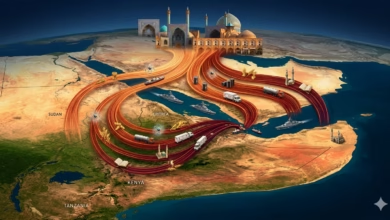
The Book Begins With A Foreword By David P. Gushee, Who Places The Reader Directly Before The Three Strategic Goals Achieved By This Exceptional Work. First, The Book Presents A Sustained And Profound Critique Not Only Of The Concept Of “Whiteness,” But Of White Masculinity As An Ideology And A Complete Theology. Gushee Points Out That Kim Argues That Christianity, Which Began As A Middle Eastern Movement, Was Subjected To The Domination Of European Men Of Power After The Conversion Of Constantine And The Romanization Of The Religion And Then Its Europeanization. These Men, In The Colonial Era, Carried Their Own Version Of Christianity To All Parts Of The World, And Gradually Began To Define Themselves As A White Race Superior To The “Inferior” Races They Encountered And Conquered And Enslaved. Indeed They Went Further When They Fashioned An Image Of Their God To Be Similar To Them; As The Greatest Of White Male Conquerors.
Second, Gushee Highlights How The Author Weaves Parts Of Her Painful Personal Story As A Korean Immigrant Who Moved With Her Family First To Canada Then To The United States, And How This Family Was Thrown Into The Furnace Of Poverty And Cultural Shock. Third, The Book Presents A New Path For Thinking About The Nature Of God, A Path That Contributes To Dismantling This Inherited And Destructive Theology, Proposing Theological Alternatives Based On Biblical Texts That Transcend Gender And Racial Divisions, Such As Focusing On Concepts Of Spirit, Light, Wind, And Wisdom.
In The Introduction Of The Book, Kim Takes Us On An Emotional Journey To Her Early Childhood In The Seventies In The City Of London In The Province Of Ontario In Canada. There, As An Immigrant Child, She Quickly Realized That Canada Is Considered A Christian Country, And That Belonging To This New Homeland Requires Her And Her Family To Embrace Christianity To Integrate Into Society. She Narrates How The Family Began Attending Church As A Way To Build Community And Form An Extended Family With Other Korean Immigrants, And How The Matter Evolved To Become Attending Multiple Churches (Both Korean And White Alike) As An Indirect Means To Learn The English Language And Understand The Surrounding White Culture.
But The Most Influential Moment In This Introduction Is Manifested In The Story Of The Famous Painting “Head Of Christ” By The Artist Warner Sallman, Which Was Hanging In The Living Room Of The Family Home. Kim Explains How This Cheap Printed Painting, Which Depicts Jesus As A White Man, Was Highly Revered By Her Mother Who Treated It As A Sacred Icon. This Painting Was Always Hung Above The Sofa To Bring Down “Blessing” Upon Those Sitting, And Was Packed With Extreme Care Each Time The Family Moved From One Residence To Another. The Author Confesses That This Image Engraved In Her Subconscious The Idea That Jesus, And Therefore God Himself, Is A White Man. It Was Not Possible For Her As A Small Asian Girl To Doubt This Image That Was Spread Everywhere; In Books, And Stained Glass, And Even In The Churches Of Korea And India That She Later Visited. This Early Implantation Of The Image Of The White Male God Left Deep Scars, And Required The Author A Long And Painful Journey To Get Rid Of These Distorted Theological Images That Support White Supremacy And Oppress Minorities.
In The First Chapter, Which Bears The Title “Confronting Whiteness,” Kim Opens The Wounds Of Immigration And Direct Racial Discrimination. Her Family Immigrated From Korea In January Of 1975 Fleeing The Economic And Political Instability Left By The Korean War, And Settled In A Dirty And Insect-Infested Apartment. The Author Describes The Harshness Of The Canadian Winter, Where The Snow Reached Her Weak Waist, Making Her Way To School A Daily Suffering. But The Bitter Cold Was Not The Worst She Faced; Rather It Was The Culture Shock And The Blatant Racism In Kindergarten. Kim Was Subjected To Constant Mockery From Her White Colleagues Because Of Her Asian Features, Where They Pulled Their Eyes To Mock The Shape Of Her Eyes And Used Derogatory Terms Such As “Ching Chong,” All Under The Eyes Of Teachers Who Chose To Ignore This Racist Behavior. These Harsh Experiences Generated Inside Her A Desperate And Impossible Desire To Get Rid Of Her “Asianness” And The Yellow Color Of Her Skin.
From This Personal Pain, To Analyzing The Roots Of “Race” And Emphasizing The Power Of Words In Shaping The Consciousness Of Societies. Kim Emphasizes That Race Is Not A Biological Fact, But Is A Social Concept That Was Invented And Nourished By Europeans In The Sixteenth Century To Justify Existing Power Dynamics And To Entrench The Belief In The Superiority Of Certain Groups And The Inferiority Of Others. The Author Reveals How The Identity Of “Whites” Historically Evolved; Before The Seventeenth Century, Europeans Did Not View Themselves As A Unified White Race, But As Individuals Belonging To Different Regions In Europe. The Idea Of The White Race Appeared And Crystallized In The American Colonies And The West Indies Islands As A Purely Economic Tool.
Kim Explains How Plantation Owners Initially Depended On European Indentured Servants, But With The Deterioration Of Working Conditions And The Decline In The Numbers Of These Servants, The Colonists Shifted To Enslaving Africans. At First, Christian Religious Identity Was Used To Justify The Enslavement Of Africans As Being “Infidels.” But When Christian Missionaries Began Baptizing Enslaved Africans In The Seventies Of The Seventeenth Century, Plantation Owners Faced A Legal And Economic Dilemma Threatening Their Wealth. To Overcome This Threat, Laws Were Legislated Denying That Baptism Is A Reason For Freedom, And More Importantly, A New Category And Identity Was Created: “White People.” Laws Such As The Servant Law Of 1681 In Jamaica Began To Describe The Privileged Class As Being “White” Instead Of “Christian,” Creating A Strong Legal And Social Discrimination That Justifies The Lifelong Enslavement Of Africans And Grants Europeans Absolute Superiority.
And The Author Continues To Reveal The Fragility And Fluidity Of The Concept Of “Whiteness.” She Clarifies How American Society Before The Middle Of The Nineteenth Century Distinguished Between Varying Degrees Of Whiteness; The Saxons Were Considered “Superior” Whites, While The Irish (The Celts) Were Considered “Inferior” Whites, And Were Sometimes Referred To With Harsh Racist Phrases Such As “Negroes Turned Inside Out.” And With The Influx Of Immigrants From Southern And Eastern Europe, These Hierarchical Classifications Continued Inside Whiteness Itself, And All Of Them Were Not Integrated Under The Umbrella Of Comprehensive And Superior “Whiteness” Except By The Forties Of The Twentieth Century, When Anthropologists Simplified Classifications Into Three Main Races: Caucasian, Mongoloid, And Negroid. This Integration Led To An “Ethnic Erasure” Of The Different European Cultural Identities In Favor Of A Unified White Identity Aiming Primarily To Keep People Of Color In A Lower Rank.
In The Second Chapter, Kim Addresses “The Problem Of Whiteness” In Contemporary Daily Life, Emphasizing That Whiteness Is Not Just A Skin Color, But Is A Learned Behavior And A Cultural Space Saturated With Political Power And Privileges That Aim To Keep People Of Color Marginalized And Oppressed. The Author Reviews The Subtle And Continuous Assaults That Asians Are Subjected To In America, Such As Phrases That Seem Innocent Like “Your English Is Very Good!” Or The Repeated Question “Where Are You Really From?”, Which Entrench The Image Of The Asian As A “Perpetual Foreigner” Who Cannot Be An Authentic American No Matter How Many Generations Of His Family Have Been In The Country. She Also Points To The Frightening Escalation In Hate Crimes Against Asians During The Covid-19 Pandemic, Where The Organization ” Stop AAPI Hate” Recorded More Than 11,500 Racist Incidents Between March 2020 And March 2022.
To Highlight The Extent Of The Deep Rooting Of White Supremacy In Daily Behaviors, Kim Narrates A Painful Incident She Was Exposed To With Her Eleven-Year-Old Daughter On A Plane Heading From Dallas To Philadelphia. While Preparing To Get Off The Plane, An Elderly White Woman Blatantly Skipped Her Turn To Pass The Author And Her Daughter. And When The Author Politely Asked The Woman’s Husband If He Would Like To Pass To Accompany His Wife, She Was Surprised By The Woman Scolding Her Husband In An Audible Voice On The Jet Bridge Saying: “I Cannot Believe You Let The Chinese Get Ahead Of You!”. This Incident, As Kim Analyzes It, Is Not Just A Passing Rudeness, But Is A Deep Reflection Of White Privilege That Gives This Woman Permission To Believe That She Possesses The Absolute Right To Discriminate, And That Asian People Must Not, Under Any Circumstances, “Get Ahead” Of Whites In Any Aspect Of Life.
The Author Moves In The Third Chapter, “Becoming White Christian,” To Link Between This Racial Arrogance And The History Of The Church. She Begins The Chapter By Narrating Her Impressions Of Her Visit To Turkey With Her Son, Where They Explored The Underground Cities In Cappadocia That Were Built By The Phrygians And Used By Early Christians To Hide From The Horrific Persecution. And She Reflects On The Grandeur And Sadness Of The Hagia Sophia Church In Istanbul, Which Transformed Throughout History From A Church To A Mosque Then To A Museum. These Historical Landmarks Remind Us That Christianity Began As A Persecuted Movement. And The Peak Of Analysis Arrives When She Narrates Her Visit To Egypt To Attend The Climate Conference (COP27), Where She Noticed The Dark Skin Of Egyptians, Which Made Her Realize A Theological And Historical Truth That Whiteness Had Obliterated: When The Child Jesus And His Family Fled To Egypt To Survive The Genocide Ordered By King Herod, It Was Necessary For Them To Blend In With The Local Population Without Attracting Attention. Kim Concludes That Jesus Was A Dark-Skinned Man, And If He Had Light Skin And Blue Eyes As Depicted By European Christianity, It Would Have Been Impossible For Him To Disappear In Egypt.
And Kim Clarifies How This Christianity Of Middle Eastern Origin, Which Was Founded By A Dark-Skinned Jewish Teacher Who Resisted The Roman Empire, Was Subjected To A Radical Transformation To Become The Official Religion Of The Empire In The Year 313 AD Under The Edict Of Milan Issued By Emperor Constantine The First. This Transformation Was Not Just A Legalization Of Worship, But Was The Beginning Of Transforming Christianity Into An Imperial Religion Reflecting The Image Of Its Roman And Then Superior European Leaders.
The Author Explains How The Transfer Of The Christian Center Of Gravity From The Middle East To Europe Was Not Just A Geographical Transfer, But Was A Complete Cultural And Racial Appropriation. Once The Religious Institution Settled In The European Continent, A Systematic Process Began To Reformulate Everything According To The European Measure. The Historical Jesus Was Stripped Of His Middle Eastern Identity, And Of His Dark Skin, And Of His Belonging To The Class Of Oppressed Workers Under The Yoke Of Roman Colonialism. And Instead, He Was Clothed In The Cloak Of Kings And Conquerors. This Transformation Was Not An Artistic Coincidence Or Theological Innocence, But Was An Urgent Political Necessity. For Religion To Become A Tool For Governance, God Had To Be Similar To The Rulers. And Here Began The Process Of Dissecting Church History That Kim Presents, Where She Highlights How The Efforts Of Theologians And Politicians And Artists In The Renaissance Era Combined To Consolidate This Visual And Mental Image. The Paintings Of Michelangelo And Leonardo Da Vinci And Others Were Not Just Mere Artistic Creativity, But Were Huge Media Campaigns, That Brainwashed Successive Generations And Made Them Link Holiness And Purity And Absolute Perfection With White European Features.
And Grace Ji-Sun Kim Moves To Link This False Visual Image With The Major Historical Catastrophes That Befell Humanity. Once God Became “White” In The Collective Imagination, It Became Very Easy To Justify The Superiority Of The White Man Over The Rest Of God’s Creation. The Author Sheds Light On The Era Of Geographical Explorations Led By European Powers In The Fifteenth And Sixteenth Centuries. In That Period, European Ships Did Not Only Carry Explorers And Soldiers, But Carried With Them A Complete Theological System That Legitimizes Conquest. The Author Recalls The Papal Decrees, Such As The Decree “Romanus Pontifex” And “Dum Diversas,” Which Granted European Kings A Complete Divine Mandate To Invade Non-Christian Lands, And Enslave Their Indigenous Populations, And Confiscate Their Properties. These Decrees Founded What Later Became Known As The “Doctrine Of Discovery,” Which Is The Doctrine That Granted Invaders A Moral And Religious Justification To Exterminate Entire Peoples In The Americas, And Drain The Wealth Of Africa And Asia. The White Invader Did Not See Himself As A Criminal Or A Thief, But Sincerely Believed, Thanks To This Distorted Theology, That He Was Implementing A Supreme Divine Will, And That He Was Bringing The “Light” Of White Civilization To The “Darkness” Of Savage Peoples.
And The Author Delves Deeply Into Dissecting The Theological Justifications For Enslavement, Which Is One Of The Darkest Chapters In Human History. Kim Points To How Sacred Texts Were Manipulated To Justify The Slave Trade Across The Atlantic Ocean. Certain Biblical Texts Were Summoned, Such As The Story Of “The Curse Of Ham,” And Reinterpreted Arbitrarily And Tendenciously To Convince The World That Africans And Dark-Skinned People Are The Children Of Cursed Ham, And That Their Divine Destiny Is Slavery And Serving The Supreme White Race. This Hideous Exploitation Of Religious Texts Was Not Limited To Justifying Physical Enslavement Only, But Aimed To Destroy The Moral Spirit Of The Enslaved Themselves. White Theology Was Not Content With Chaining The Hands And Feet Of People Of Color With Chains, But Sought To Chain Their Minds And Souls, And Make Them Believe That Their Inferiority Is A Heavenly Will From Which There Is No Escape. And When The Enslaved Tries To Rebel Against His White Master, Then, According To This Crooked Theological Logic, He Rebels Against God Himself.
And Kim Does Not Stop At The Boundaries Of Distant History, But Pulls The Threads Of Analysis To Reach Our Modern Era, Addressing The Concept Of “Manifest Destiny” Which Dominated The American Mentality In The Nineteenth Century. The Author Clarifies How This Concept, Which Claimed That White Settlers In North America Are Divinely Destined To Expand Across The Continent From Coast To Coast, Was A Natural Extension Of The Theology Of White Supremacy. Under The Umbrella Of This Divine Justification, The Expulsion Of The Indigenous People (The Red Indians) From Their Lands Was Justified, And The Massacres Of Forced Displacement Known As “The Trail Of Tears,” In Addition To The Theft Of Mexican Lands. The White God Always Stood On The Side Of The Victorious White, Blessing His Rifles, And Legitimizing The Expansion Of His Empire At The Expense Of The Blood And Souls Of People Of Color Who Were Considered Mere Obstacles In The Path Of Progress And Civilization.
Also Grace Ji-Sun Kim Opens Another Front Of Extremely Important Analysis, Which Is The Intersection Of Race With Gender In The Structure Of White Theology. The God That Was Invented Was Not Only White, But Was A White Male Par Excellence. This Paternal Image Of God Made The White Man The Peak Of The Created Pyramid, Leading To Doubled Marginalization And Oppression Of Women, Especially Minority Women And Women Of Color. The Author Discusses, Starting From Her Background As A Feminist And Asian Theologian, How Church Authority And Religious Institutions Were Designed To Exclude Women From Leadership And Influence Positions. The Masculine Image Of God Was Directly Reflected On The Organizational Structure Of The Church, Where Priesthood And Interpretation And Leadership Were Monopolized In The Hands Of White Men. This Monopoly Made The Spiritual And Theological Experience Of Women Of Color An Invisible And Unrecognized Experience. White Patriarchal Theology Creates An Environment In Which The Woman Of Color Is At The Lowest Degrees Of The Social And Religious Ladder, Where She Is Required To Submit Doubly: To The Authority Of The White Race On One Hand, And To The Authority Of Masculinity On The Other Hand.
And The Author Arrives At One Of The Most Painful Points In Her Book, Which Can Be Called “Internal Colonialism” Or Forced Assimilation. Kim Explains How White Theology Had A Devastating Impact On The Internal Psychology Of Believers From Minorities And People Of Color. Because Of The Absolute Hegemony Of This Theology Over Religious Education Curricula, And Illustrated Holy Books, And Hymns, And Icons Of Churches, People Of Color Themselves Began To Internalize This Inferiority. The Author Describes How Many Korean, And African, And Latin Churches Around The World Still Raise Images Of White Jesus, And How Many Clergymen In These Churches Still Adopt Theological Interpretations Written By White Men In Europe And America, Ignoring Their Own Cultural And Social Contexts. This Blind Adoption Leads To A State Of Spiritual Alienation, Where The Believer Of Color Finds Himself Forced To Deny His Identity And His Culture And The Color Of His Skin In Order To Approach A God That Was Depicted As His Complete Opposite. It Is A State Of Self-Hatred Skillfully Planted Inside Religious Discourse, Where The Individual Feels That His Approach To Holiness Necessarily Requires Him To Approach Western White Standards.
Grace Ji-Sun Kim Has Succeeded In This Section Of The Book In Stripping Bare The Moral Foundation Upon Which Modern Western Empires Were Built, Nullifying All Claims That Tried To Portray Colonial Expansion As A Noble Missionary Movement. She Has Revealed With Conclusive Evidence That What Was Exported To The World Was Not The Message Of Love And Salvation, But Was The Ideology Of Racial Superiority Wrapped In Religious Cellophane. The Church, In Many Of Its Historical Stations, Was Not A Victim Of Political Manipulation, But Was An Active Partner And A Fundamental Engineer Of The Global System Of Oppression.
This Historical And Theological Review That The Author Presents As She Says Is Not Just Weeping Over The Ruins Of The Past But Is A Precise Surgical Operation To Excise A Malignant Tumor That Has Penetrated The Body Of Doctrine For Long Centuries. Realizing The Size Of Falsification That Was Practiced On The Image Of God Is The First And Most Important Step Towards Spiritual And Social Liberation. As Long As God Is Detained Inside The Mold Of Whiteness And Masculinity, True Justice And Equality Will Remain Mere Resonant Slogans With No Place In Reality.
The Author Opens The Sixth Chapter By Standing At One Of The Biggest Historical And Theological Paradoxes In The Christian Religion, Which Is The Systematic Transformation Of The Personality Of The Historical Jesus. Kim Reminds Us That Jesus Of Nazareth, According To Available Historical And Geographical And Environmental Data, Was A Middle Eastern Man, Belonging To A Jewish Nationality That Lived Under The Yoke Of Roman Occupation In The First Century AD. He Was Of Dark Or Brown Skin, Living The Simplicity Of Workers And The Poor, And Speaking Aramaic. However, Across Centuries Of Western Cultural Hegemony, This Historical Identity Was Completely Erased, To Be Replaced With A Personality Of Pure Caucasian Features: Blue Eyes, And Very White Skin, And Blonde Or Flowing Brown Hair.
Kim Explains How This Visual Transformation Was Not Just An Unintended Artistic Diversity, But Was The Result Of A Cumulative Process In Which Great European Artists In The Renaissance Era Participated, Reaching The Era Of Industrial Production And Modern Media. The Author Stops With Analytical Passion At The Painting “Head Of Christ” By The American Painter Warner Sallman (1940), Which Was Printed In Hundreds Of Millions Of Copies And Distributed Throughout The World. This Image Was Not Just An Artwork, But Became The Typical Icon Of “White Jesus” In Churches And Homes From North America To Asia And Africa.
And Kim Clarifies The Devastating Psychological And Theological Effects Of This Icon. When “White Jesus” Is Presented As The Savior And The Ideal Example Of Human Perfection, An Implicit Message Is Established That Whiteness Is Closeness To The Divine, And That European Aesthetic And Moral Standards Are The Only Standard For Holiness. In Contrast, Non-White People Are Excluded From This Honorable Image, And Are Judged With Spiritual And Aesthetic Inferiorities. “White Jesus” Has Transformed, According To Kim’s Analysis, From A Humble Teacher Who Sides With The Marginalized And Oppressed Into A Racial Idol Used To Justify And Foster White Supremacy.
Grace Ji-Sun Kim Moves In The Seventh Chapter To Dive Into A More Abstract And Dangerous Issue: Bestowing Whiteness Upon “God” Himself. If Transforming Jesus Into A White Man Found Its Apparent Justification In His Human Incarnation, Then Depicting God The Father — The Origin Of Existence And The Transcendent Beyond All Form And Gender And Color — In The Garb Of Whiteness Represents The Pinnacle Of Theological And Ideological Excess.
The Author Shows How Western Theology, Interconnected With Greek And Roman Philosophy, Contributed To Embodying God As A Personality With Possessive And Despotic Authority Completely Similar To The Image Of The White Ruler Or Emperor. The Famous Murals, Such As The Painting “The Creation Of Adam” By Michelangelo On The Ceiling Of The Sistine Chapel, Which Depicts God As An Old White Man With A Thick White Beard Flying In The Sky, Engraved In The Western Collective And Symbolic Consciousness An Image Of A God Belonging Ethnically To Europe.
Kim Reviews The Danger Resulting From This Reduction. When God Is Viewed As Being “White,” Whiteness Becomes Transcendent And Sacred By Nature. And This Perception Transforms Into Unconscious Support For Systems Of Racial Discrimination, And White Nationalism, And Racial Privilege. The White Man, Under This Discourse, Does Not See Himself As Just An Individual Belonging To A Certain Lineage, But Sees In His Features And Color A Reflection Of The Divine Self, Giving Him A Moral And Authoritarian Superiority Over The Rest Of Peoples. And The Author Sees That Attributing Race To God Empties The Concept Of Divinity Of Its True Essence Based On Absoluteness And Comprehensiveness, And Turns Religion Into A Tool To Consolidate A Particular Race At The Expense Of The Rest Of Creation.
The Author Arrives In The Eighth Chapter To Where She Combines Between Critique Of Whiteness And Critique Of The Patriarchal Male System (Patriarchy). Kim Emphasizes That The Prevailing Image Of God In Colonial And Western Christianity Is Not Just An Image Of A White Entity, But Of A “White Man” (White Male God). This Double Intersection Between Race And Social Gender Creates A Doubled System Of Oppression.
The Author Studies How This Perception Of “The White Male Hurled Into The Sky” Led To Giving Divine Legitimacy To The Socio-Political Hierarchy; Where The White Man Sits At The Top Of The Human Pyramid, Followed By The Non-White Man, Then The White Woman, And At The Bottom Sits The Woman Of Color (Non-White). This Hierarchical Ladder Was Not Just A Passing Social Construction, But Was Formulated In Theological Language Seeking To Convince Everyone That This Arrangement Represents The Divine Will Of The Universe.
Kim Reviews The Experiences Of Women Of Color — Especially Asian And African And Latina Women — Who Find Themselves Before A God Who Does Not Resemble Them And Does Not Reflect Their Human Experiences. And She Clarifies How Church And Theological Institutions Used This Masculine Image Of The Divine Self To Highlight The Domination Of Males Over The Roles Of Priesthood And Leadership And Religious Legislation, And Subjugating Women And Their Voice. White Male Theology Practices Exclusion Against Women, Where She Is Asked To Submit To Two Intertwined Authorities: The Authority Of The Preferred Race And The Authority Of The Supreme Gender.
And Kim Points Out That This Narrow Perception Of God Violates The Biblical And Theological Ancient Texts Themselves, Which Contain Diverse Metaphors And Similes For Divinity That Transcend Masculinity And Whiteness, Such As Images Of Wisdom And Spirit And Light And Maternal Care. However, The Regulatory Authority And Masculine Theological Systems Worked To Obliterate These Concepts And Marginalize Them In Favor Of The Model Of “The White Ruling Father,” In Order To Preserve The Political And Social Privileges Of The Ruling Class.
Now, Kim Raises A Fundamental And Fateful Question: If We Have Realized The Size Of Falsification That Has Affected The Image Of God, Then What Is The Alternative? And How Can Christianity, And Religions In General, Free Themselves From These Visual And Ideological Prisons To Present A God That Accommodates Everyone? The Author Is Not Content With Demolishing The Old Theological Idols, But Dives Into The Depths Of Sacred Texts And Human Heritage To Extract Concepts And Divine Images That Were Deliberately Obliterated, And Presents Them As A Spiritual And Intellectual Lifeline. And In This Part, We Will Shed Light On Her Bold Theological Strategies That Depend On Restoring Concepts Of “Spirit” (Ruach), And Vitality Of Energy (Chi), And Divine Wisdom (Sophia), As Powerful Alternatives That Overthrow The Centrality Of The White Male God.
First: Transcending Material Embodiment.. Why Must God Lose His “Whiteness” And “Masculinity”? The Author Begins This Stage By Emphasizing A Central Theological Point: That The Attempt To Confine God In A Human Form, And Specifically In The Form Of A White Man, Is In Its Essence A “Pagan” Sin Wrapped In The Cloak Of Monotheism. The Absolute God, Creator Of The Universe With All Its Diversity And Vastness, Cannot Be Reduced To Racial Or Biological Characteristics Belonging To One Category Of Humans. Kim Points Out That The Western Theological Heritage Fell Into The Trap Of Excessive “Anthropomorphism,” Where Western Man Created God In His Own Image And Likeness, And Not The Opposite. This Anthropomorphism Was Not Innocent, But Was A Political Tool Par Excellence; When God Is A White Man, It Becomes Natural For The White Man To Be The Ruler, And The Legislator, And The Priest, And The Master. And To Get Out Of This Impasse, Kim Calls For A Revolution In The Religious Imagination, A Revolution That Returns God To His Transcendent And Abstract Attribute That Cannot Be Grasped Or Monopolized. Freeing God From “Whiteness” And “Masculinity” Is Not Just An Academic Exercise, But Is A Vital Necessity To Heal Millions Of Believers From Minorities And Women Who Have Long Felt Spiritual Alienation, And Who Were Convinced That They Are Further From Divine Perfection Because Of The Color Of Their Skin Or Their Gender.
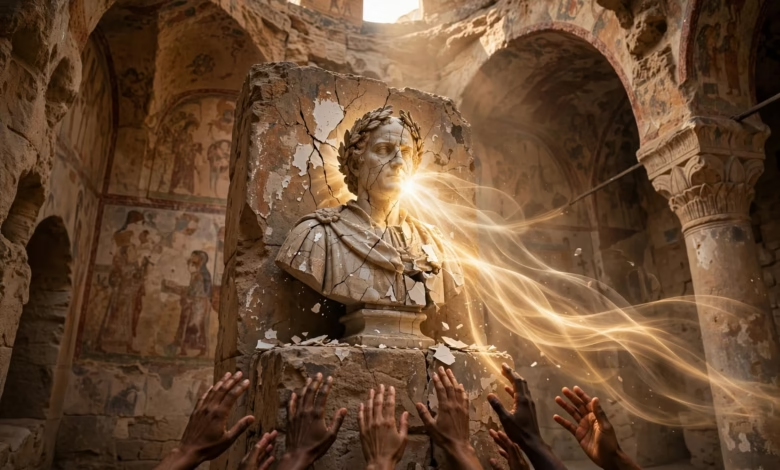
Second: Returning To “Ruach” (Ruach).. The Sacred Femininity And The Free Spirit Of God In Her Quest To Present A Solid Theological Alternative, Grace Ji-Sun Kim Returns To The First Linguistic And Textual Roots In The Old Testament (The Hebrew Bible), And Stops Long At The Word “Ruach” (Ruach). This Hebrew Word, Which Is Usually Translated Into “Spirit” Or “Wind” Or “Breath,” Carries Within It Deep Connotations That Were Marginalized Across Centuries Of Paternal And Masculine Translations And Interpretations. And More Importantly, The Word “Ruach” In The Hebrew Language Is A Feminine Word From The Grammatical Point Of View. When The Book Of Genesis Opens The Story Of Creation, It Describes How The “Spirit Of God” (Ruach) Was Hovering Or Fluttering Over The Face Of The Waters To Create Life From Nothingness. This Depiction Does Not Present A God Sitting On A Throne Like A Roman Emperor Issuing Orders, But Presents A Feminine Energy, Dynamic, Alive, And Surrounding, Similar To The Mother Who Embraces Life And Breathes It Into The Corners Of The Universe. Kim Uses The Concept Of “Ruach” To Shatter The Solid Image Of The White Male God. For The Spirit (Or Wind) Has No Color, And Has No Race, And Cannot Be Caught Or Confined In Geographical Or Institutional Molds. It Blows Wherever It Wills, Transcends National Borders, And Penetrates The Racial Walls Built By Western Theology. By Reviving The Image Of God As A Free And Life-Giving “Spirit,” The Author Gives The Marginalized A God With Whom They Can Communicate Directly, A God Who Flows In Their Veins And In Their Breaths, And Does Not Require Them To Identify With The Culture Of The European Colonizer To Gain His Satisfaction.
Second: Intersection Of Theology With Eastern Wisdom.. Energy Of “Chi” (Chi) And Expanding Religious Horizons The Author Is Not Content With The Direct Hebrew-Christian Heritage, But Brilliantly Evokes Her Korean Asian Identity To Propose An Amazing Theological Intersection That Expands The Horizons Of Christian Understanding Of God. Kim Summons The Ancient Asian Concept “Chi” (Chi) Or As Pronounced In Korean “Ki” (Ki), Which Represents The Force Of Life, Or The Vital Cosmic Energy That Flows Through All Living Beings And Connects The Universe With Each Other. Kim Compares Between The Hebrew “Ruach” And The Asian “Chi,” And Finds Between Them A Deep Harmony. Both Express An Invisible Power, Formless, That Gives Life And Maintains Cosmic Balance. Introducing The Concept Of “Chi” Into Christian Theology Is Considered A Major Liberating Step For Several Reasons; First It Drops The Monopoly Of Greek-Roman Philosophy (Which Focused On Rigid Logic And Hierarchy) As The Sole Lens For Understanding God. And Second, It Gives Asian Believers, And People Of Color In General, Confidence That Their Cultural Heritage And Their Spiritual History Is Not “Pagan” Or “Inferior” To European Heritage, But Can Be A Sacred And Valid Vessel For Understanding The Divine Self And Expressing It. This Theology That Mixes Between “Ruach” And “Chi” Presents An Image Of God As A Horizontal Relational Energy, Connecting Humans To Each Other, And Connecting Them To Nature And The Surrounding Environment. In This Perception, God No Longer Becomes An Isolated Master Watching The Universe From A Distant Ivory Tower, But Becomes Present In Every Pulse Of Life, Which Automatically Drops All Justifications For Exploitation, Whether It Was Exploitation Of Another Human Through Slavery And Racism, Or Exploitation Of The Environment Through Capitalist Destruction Justified By White Colonial Theology.
Fourth: Restoring “Sophia” (Sophia).. Divine Wisdom As A Soft And Strong Alternative And Kim Continues To Explore Alternative Biblical Images, To Reach The Concept Of “Sophia” Or Wisdom. In The Wisdom Books (Such As The Book Of Proverbs And Others), God’s Wisdom Is Embodied In A Female Personality Called “Sophia,” Calling In The Streets, And Guiding Humans To The Path Of Truth And Justice And Peace. The Early Church Considered “Sophia” An Authentic Expression Of The Divine Existence Among Humans, But With The Growth Of Patriarchal (Paternal Masculine) Influence In The Imperial Church, This Feminine Image Was Marginalized And Hidden Behind Interpretations That Focused Exclusively On Masculine Symbols (The Father And The Son). The Author Sees That Reconsidering “Sophia” Is Not Just A Matter Of Linguistic Or Historical Fairness, But Is A Necessary Remedy For The Poisons Spread By The Theology Of Domination And Violence. The God Of Feminine Wisdom (Sophia) Does Not Carry A Sword To Colonize Peoples, And Does Not Bless The Oppression Of Women, And Does Not Justify Genocides, But Calls For Contemplation, And Social Justice, And Deep Love Free From Conditions Of Domination. It Is A Divine Image That Supports Leadership Based On Care And Containment, And Not On Brutal Force And Strict Hierarchical Hierarchy.
Fifth: The Psychological And Social Reflections Of This Theological Revolution The Displacement Of The Image Of The White Male God And Its Replacement With Images Of Spirit And Wisdom And Vital Energy, Creates A Positive Earthquake In The Psychological Structure Of Individuals And Marginalized Societies. Grace Ji-Sun Kim Clarifies That The Human Who Grows Up Imagining God As A Formless Loving Energy (Ruach/Chi), Will Stop Feeling Inferior Because Of The Color Of His Skin. The Woman Will Not Feel That She Was Created In A Lower Rank Than The Man, And The Asian Or African Or Latino Will Not Feel That He Must Act Like The White Man To Become Acceptable In The Arena Of Holiness. This Theological Transformation Strips Legitimacy From All Church And Political Structures That Still Invest In White Privilege. For If God Is Not A White Man, Then The Absolute Authority That The White Man Grants Himself In The Church And Society Based On This Perception Becomes A False Authority And Empty Of Any Divine Cover.
Kim Begins Her Practical Vision By Calling For A Visual And Sensory Revolution Inside The Corridors Of Houses Of Worship Themselves, Emphasizing That The Spatial And Material Space Plays A Crucial Role In Shaping The Subconscious Awareness Of Believers And Determining Their Spiritual Identity. The First And Intuitive Step In The Path Of Reform Requires Removing Icons And Murals And Stained Glass That Consecrate The Exclusivity Of Holiness In Light European Features. The Author Does Not Call For Smashing Art Or Blind Rebellion Against Heritage, But Calls For Liberating The Spiritual Imagination From The Monopoly Of One Racial Model. This Path Requires Introducing Diverse Artistic Expressions That Reflect The Cultural Plurality Of Modern Societies, And Heading Towards Abstract And Symbolic Art That Expresses God As “Spirit” Or “Wisdom” Or “Life-Giving Energy” Without Framing Him In A Specific Human Body That Excludes Others. Besides Visual Arts, This Comprehensive Review Extends To Include Musical Hymns, And Written Prayers, And The Liturgical Language Used Daily. Many Of The Inherited Classic Hymns Carry, Intentionally Or Unintentionally, Vocabulary That Elevates “Whiteness” As An Exclusive Symbol Of Purity And Salvation, And Links In Contrast “Blackness” Or Darkness With Sin And Absolute Evil. Kim Demands The Necessity Of Formulating A New And Liberated Liturgy (Worship Rituals), That Absorbs The Pains Of The Marginalized, And Speaks In Their Languages And Cultures, And Celebrates Their Spiritual Experiences Independent Of The Colonial Legacy That Shaped The Molds Of Faith For Long Centuries.
And On The Academic And Educational Level, The Author Directs A Methodical And Scathing Critique To The Curricula Of Theological Colleges And Religious Institutes Around The World, Which Still In Their Entirety Revolve In The Orbit Of White European And American Thinkers, Monopolizing Thus The Authority Of Interpretation And Production Of Religious Knowledge. To End This Cognitive Monopoly That Feeds The Superior Mentality, Kim Proposes A Radical Reform Process For Curricula That Includes A True And Central Integration Of Voices Of Theologians From Asia, And Africa, And Latin America, And Thinkers From Indigenous Peoples. Teaching The Texts And Reflections Of These Thinkers Is Not Just A Formal Attempt To Add A Character Of Diversity To Academic Institutions, But Is An Imperative Necessity To Present Divergent Readings Of The Sacred Text, Readings That Start From Sites Of Pain, And Marginalization, And The Experience Of Colonialism. When The New Generation Of Religious Leaders And Priests Learn That There Are Multiple And Legitimate Ways To Understand God Outside The Strict Western Paternal Framework, Then They Will Possess The Intellectual And Spiritual Tools Necessary To Lead Their Societies Towards A More Comprehensive And Just Awareness. This Academic Transformation Ensures Not Reproducing Leaders Who Adopt, Consciously Or Unconsciously, Mechanisms Of Racial And Gender Superiority In Their Preaching Discourses And Their Daily Pastoral Practices.
The Task Of Radical Change Is Not Limited To Confronting White Authoritarian Structures In Official Institutions, But Extends To Include A Hard And Painful Internal Work That Must Be Done By Minority Communities And People Of Color Themselves. Kim Allocates A Wide Analytical Space To Talk About The Phenomenon Of “Internal Colonialism” Or Colonization Of Minds, Where Many Of These Communities Have Internalized The Standards Of Deficiency And Inferiority Imposed On Them Across Successive Generations Of Theological Hegemony. This Phenomenon Is Clearly Manifested In Attempts Of Continuous Identification With The Dominant Culture, And The Frantic Quest To Obtain Recognition And Acceptance Through Adopting Behaviors And Convictions That Serve Western Centrality And Disavow The Original Roots. To Get Out Of This Deep Psychological And Spiritual Impasse, The Author Calls For A Process Of “Collective Healing” That Begins With Recognizing The Beauty And Value Of Original Cultural Identities. Asian, And African, And Latin Communities Must Immediately Stop Measuring Their Spiritual And Human Value By The Extent Of Their Proximity To The White Model. Instead, They Must Explore Their Own Cultural Treasures And Integrate Them Courageously And Proudly In Their Faith Practices. And Kim Proposes Strengthening The Bonds Of Horizontal Solidarity Between Different Marginalized Categories, Warning Strictly Of The Trap Set By Racist Systems When They Push Minorities To Compete Fiercely Among Themselves Over Meager Gains That Bring Them Closer To The Top Of The Social Pyramid Controlled By The White Man. Intersectional Solidarity Between Anti-Racism Movements, Such As Alliances Between Defenders Of Black Rights And Activists Opposing Hatred Against Asians, Represents The True Structural Force Capable Of Shaking The Foundations Of Racial Privilege.
The Author Then Moves To Determining The Role Of The Religious Institution In The Public And Political Space, Emphasizing That Faith That Confines Itself Inside The Walls Of The Church And Is Not Translated Into Social Action Resisting Injustice Is In Truth A Dead Faith And Empty Of Its Content. If God In His Essence Represents Absolute Justice And Unconditional Love, Then Any Church Or Institutional Silence Towards Issues Of Systematic Racism, And Violence Of Security Apparatuses Against Minorities, And Harsh Immigration Policies That Disperse Families, Is A Direct Betrayal Of These Divine Principles. Kim Evokes Her Painful Personal Experience And The Experiences Of Thousands Of Immigrants Who Face Legal And Social Marginalization Every Day, To Emphasize That Doctrine Must Be A Shield For The Vulnerable, Not A Cover For The Repressive Policies Of The State Or A Tool To Justify Class Gaps. This Engagement In Public Affairs Requires Exceptional Theological Courage To Stand In The Face Of Legislations That Consecrate Economic And Social Disparity, And Field Work To Establish Public Policies That Celebrate Diversity And Ensure Equality Of Opportunities And Dignity For All Regardless Of Their Racial Origins, Or Their Cultural Backgrounds, Or Their Material Status.