


This Book Does Not Start From The Moment Donald Trump Won In November 2016, Nor From The Scene Of Storming The Capitol Building, Nor From A Fiery Tweet That Ignited The American Street. It Starts From A Farther And Deeper Place, From A Simple Idea But Shocking In Its Simplicity: Trump Was Not An Accidental Incident In American History, And Was Not A Meteor That Suddenly Fell On A Healthy Political System, But Was The Logical And Inevitable Result Of A Long Series Of Decisions Made By The Ruling Elite In Washington From Both Parties Together, Decisions That Seemed At The Time Pragmatic And Rational And Patriotic, But In Their Essence Were Planting The Seeds Of The Collapse Of The American Social Contract.
This Is The Essence Of The Book “All The Wrong Moves: How Three Catastrophic Decisions Led To The Rise Of Trump All The Wrong Moves: How Three Catastrophic Decisions Led To The Rise Of Trump”, It Is A Calm Political And Economic Anatomy Book, Trying To Answer A Fundamental Question Why Did Tens Of Millions Of Americans Believe A Man Who Lies Openly, And Why Did They Find In His Narcissism And Populism Salvation, And Why Do All The Arguments Of The Traditional Establishment No Longer Work With Them?
The Author Puts Forward A Convincing Tripartite Framework, Calling It “The Three Catastrophic Decisions”, And Believes That Each One Of Them Was Enough By Itself To Shake The Citizen’s Confidence In His State, But Their Combination Together Over More Than Thirty Years Created A Political Earthquake That Could Not Be Contained. The Three Decisions Are Not Trump’s Decisions, But Are Decisions Of Those Who Preceded Him, From Bush Senior To Clinton To Bush Junior To Obama, And All Were Taken In The Name Of The Supreme National Interest And With The Blessing Of Wall Street And Think Tanks And Major Editorial Rooms.
The First Catastrophic Decision, As The Book Calls It, Is “Privileging China And Giving It A Seat In The Heart Of The American Economy”. The Book Takes Us Back To The Early Nineties, To The Moment When The Berlin Wall Fell And The American Elite Believed That History Had Ended And That Liberal Capitalism Had Triumphed Forever. In That Euphoria, The Optimistic Doctrine Of Globalization Was Born, Promoted By George Bush Senior And Then Adopted By Bill Clinton With Full Ideological Enthusiasm. The Idea Was Based On A Naive And Arrogant Assumption At The Same Time: If We Open Our Markets To China And Bring It Into The World Trade Organization, Prosperity Will Make The Chinese More Similar To Us, And The Communist Party Will Gradually Turn Into A Social Democratic Party That Loves McDonald’s And Respects Human Rights.
The Book Describes This Moment And Calls It “The Dream Of Soft Hegemony”. Washington Thought It Was Feeding A Small Dragon To Become A Pet Dog, But Instead It Created A Giant Industrial Competitor That Possesses All The Tools Of The Centralized State And Possesses None Of The Constraints Of Democracy. The Author Explains With Numbers How The North American Free Trade Agreement (NAFTA) In 1994, Then Granting China Most Favored Nation Status And Then Bringing It Into The World Trade Organization In 2001, Were Not Just Trade Agreements, But Were A Complete Re-Engineering Of American Industrial Geography.
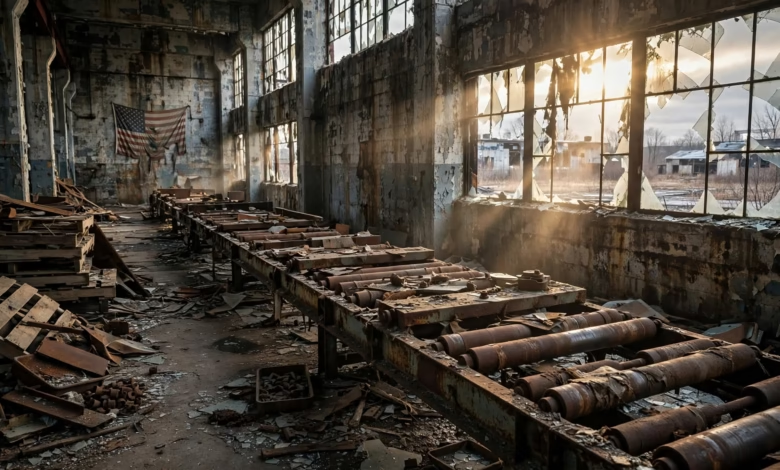
The Book Takes Us To Cities Like Youngstown In Ohio And Flint In Michigan And Gastonia In North Carolina, Cities That Were Pulsating With Factories And Middle Class Salaries And Small Baseball Clubs. It Tells Stories Of Workers Who Spent Twenty Years In Steel And Fabric Factories To Wake Up One Morning To A Message Saying That The Factory Will Move To Shenzhen Or Wuhan Because The Worker There Costs One Tenth And Does Not Demand Health Insurance Or Vacation. These Workers Did Not Hate Globalization As A Theoretical Concept, But They Hated The Practical Betrayal. They Felt That Their Government, Democratic Or Republican, Decided To Sacrifice Them On The Altar Of An Abstract Idea Called “Global Market Efficiency”.
And Here The Book Picks Up The Most Important Thread: The Elite Did Not Only Transfer Factories, But Insulted The Victims. It Mentions How The Prevailing Discourse In Washington And New York Described Angry Workers As “Not Adaptable” And “Suffering From Status Anxiety” And “Needing To Learn Coding”. This Class Contempt, Practiced By Journalists And Academics And Liberal Politicians, Is What Turned Economic Pain Into Cultural And Political Anger. Trump Did Not Create This Anger, He Only Picked It Up. When He Said “China Is Cheating Us” And “I Will Bring Back Factories”, He Was Speaking In Economically Primitive Language, But It Was Emotionally Honest For Millions Who Lost Everything While Wall Street Was Celebrating Record Profits From Investing In China.
The Book Argues That The Problem Was Not In Trade Itself, For Trade Is A Positive Mutual Force, But In The Absence Of Any National Strategy To Protect The American Worker. It Could Have Been, As The Author Later Suggests, Using Tariffs As A Precise Surgical Tool To Protect Strategic Sectors, And It Could Have Imposed Strict Conditions On Technology Transfer, And It Could Have Invested The Proceeds Of Globalization In Rehabilitating Devastated Areas. But Nothing Of That Happened. The Government Left The Market To Decide, And The Market Decided That The American Worker Is Too Expensive, So He Was Disposed Of.
In This Sense, The First Decision Was Not Just An Economic Mistake, But Was An Original Political Sin: It Convinced The Ordinary Citizen That American Democracy No Longer Represents Him, And That Major Decisions Are Taken In Closed Rooms Between Lobbies Of Multinational Corporations And Leaders Of Both Parties, And That His Voice In The Ballot Box Does Not Change Anything In The Fate Of His Factory. And When The Citizen Loses His Faith That The System Works For Him, He Becomes Ready To Vote For Anyone Who Promises To Demolish The System Itself, Even If That Person Is A Billionaire From New York Who Has Never Entered A Factory In His Life.
This Is The Ground On Which The Book Builds Its Second And Third Chapter, For The Second Catastrophic Decision Is No Less Serious Than The First, And It Is The Decision To Wage Wars Without Taxes, And Impose An Ideological Vision On The World By Force Of Arms While Financing It With Debt. But Before We Move To That Station, The Book Pauses Long At A Striking Paradox: How Were The Two Parties, Despite Their Declared Difference, Able To Agree On The Same Core Policies That Destroyed The Working Class? The Author Answers That What Is Called “The Great Party Duopoly” Or The Great Party Duopoly Was In Its Essence An Intellectual Monopoly, In Which Republicans And Democrats Agreed On Unconditional Globalization, And On Financial Deregulation, And On Military Intervention, And Left For Disagreement Only Marginal Cultural Issues To Mobilize Electoral Bases. And When The Two Parties Turn Into Two Faces Of The Same Coin In Issues That Touch Livelihood, The Emergence Of A Third Populist Party Becomes Only A Matter Of Time.
If The First Catastrophic Decision Stripped The Factory From The Hand Of The American Worker And Handed It To China, Then The Second Catastrophic Decision Stripped From Him The Idea Of Shared Sacrifice Itself, And Planted In His Conscience That Wars Are Paid For By The Poor Alone, While The Rich Reap Their Fruits.
The Book Calls This Chapter With A Direct Title: “Waging War Without Imposing Taxes”, Which Is A Title That Summarizes One Of The Most Dangerous Deviations In Modern American Financial And Political History. The Author Takes Us Back To The Fall Of 2001, To Wounded America After September Eleventh, America That Stood As One Behind Its President, And That Was Psychologically And Morally Ready To Bear Any Burden The State Asked Of It. In All Previous Major Wars, From The Civil War To The Two World Wars To Even The Vietnam War, The Equation Was Clear: If You Want To Wage A War, You Must Ask The People To Pay Its Price Through Taxes And Bonds And Austerity. Tax Was The Moral Bond Between The Citizen And The State, It Is What Makes War A Collective Decision And Not An Elite Adventure.
What George W. Bush Did Was A Complete Break With This Tradition. For A Few Weeks After Declaring The War On Terror, And While Planes Were Bombing Tora Bora And Preparing To Invade Iraq, The President Went To Congress And Asked, Not For Increasing Taxes, But For Reducing Them Massively. The Tax Cut Law Of 2001 Then 2003, Which Was Known As Bush Tax Cuts, Granted Huge Reductions To The Rich And High-Income Owners, At The Same Moment When The Cost Of The Wars In Afghanistan And Iraq Was Escalating To Trillions Of Dollars.
The Book Describes This Scene With Bitter Irony: Soldiers From Poor Towns In Texas And Ohio Were Dying In Fallujah, While Brokers In Wall Street Were Celebrating Record Profits From Tax Cuts On Capital Gains. And For The First Time In American History, Two Long Wars Were Financed Entirely Through Debt, Through Borrowing From China And Japan And Gulf Countries, And Not Through A Joint National Effort. The American Administration Created A Dangerous Illusion: You Can Have War And Prosperity At The Same Time, You Can Be Patriotic Without Paying Anything.
The Result Was Not Only Financial, But Was Moral And Political Par Excellence. The Book Explains How This Policy Blew Up The Federal Deficit From A Surplus Left By The Clinton Administration To A Deficit Exceeding A Trillion Dollars Annually, But The More Dangerous Is That It Destroyed The Idea Of Justice. When The Ordinary Citizen Sees That His Son Returns From War With An Amputation In His Leg, While He Sees At The Same Time That The Children Of The Velvet Class Do Not Pay More Taxes But Less, And That They Do Not Send Their Sons To The Fronts, Faith In The National Contract Begins To Erode.
And The Book Goes Further To Link Between War And The Economic Illusion That Preceded It. It Mentions That The Iraq War Was Not Just An Intelligence Mistake, But Was An Expression Of The Same Arrogant Globalization Mentality That Ruled The First Decision. The Same People Who Thought That The Free Market Would Turn China Into A Democracy, Thought That The American Tank Would Turn Baghdad Into A Liberal Democratic Oasis. In Both Cases, History And Culture And Local Reality Were Ignored In Favor Of A Simple University Theory. And The Result In Both Cases Was A Catastrophe: In China, We Created A Competitor, And In The Middle East, We Created A Vacuum Filled By Chaos And ISIS And Waves Of Asylum That Shook Europe And America.
Then Comes The Third Catastrophic Decision, Which For The Author Is The Straw That Broke The Back Of American Trust, And Which Paved The Way Directly To Trump: Bailing Out Wall Street And Abandoning Main Street. Here The Book Moves To The Year 2008, To The Collapse Of Lehman Brothers Bank, To Those Terrifying Weeks That Almost Caused Global Capitalism To Collapse.
The Book Narrates How The Crisis Was Not A Natural Accident, But Was A Direct Result Of Decades Of Financial Sector Deregulation, Starting From The Repeal Of The Glass-Steagall Law In The Clinton Era, Which Was Separating Between Ordinary Savings Banks And Speculative Investment Banks. Washington Allowed Wall Street To Bet People’s Savings On Financial Instruments That No One Understands, And When The Bubble Exploded, Options Were Limited.
But What Happened After That Is What The Book Focuses On. For In The Era Of Bush Junior First Then Obama Second, The American Government Decided To Inject 700 Billion Dollars To Rescue Banks Through The TARP Program, And Inject Other Trillions Through The Federal Reserve With Zero Interest. The Banks That Caused The Crisis Are The Same Ones That Were Rescued In One Weekend, While Millions Of Americans Were Left To Face Their Fate Alone. Nine Million Families Lost Their Homes, And Five Million Lost Their Jobs, And Retirement Savings Evaporated, And Not One Major Banker Went To Prison.
The Author Describes This Moment As “The Final Divorce Between Capitalism And Democracy In The Eyes Of The Voter”. For The Citizen Who Was Told For Thirty Years That The State Should Not Intervene In The Market, And That He Must Depend On Himself, Suddenly Discovered That The State Intervenes And Strongly, But Only When The Victim Is The Bank And Not The Worker. And When Barack Obama Came Out, Despite All His Good Intentions, To Defend The Bailout As A Necessity To Avoid A Greater Depression, His Economic Logic Was Correct, But His Political Message Was Catastrophic: The System Protects The Rich Because It Is Too Big To Fail, As For You, You Are Too Small To Be Saved.
Here The Book Connects The Three Threads Together. The Worker Who Lost His Factory To China In The First Decision, Then Saw His Son Go To A War Funded By The Chinese In The Second Decision, Then Saw His House Confiscated While The Government Rescues The Bank That Confiscated His House In The Third Decision, This Worker No Longer Sees In Washington A Government, But Sees A Closed Club For The Rich. And When A Man Comes From Outside The Club, A Rude And Rich Man But Who Attacks The Club Publicly, He Becomes His Hero, Not Because He Loves Him, But Because He Hates The Same People He Hates.
Trump Did Not Need A Coherent Economic Program, It Was Enough For Him To Say Three Sentences That Summarized The Three Decisions: “I Will Stop China’s Theft Of Us, And I Will Stop Your Stupid Wars, And I Will Drain The Swamp Of Wall Street”. The Sentences Were False In Their Application, As Will Be Proven Later, But They Were Honest In Their Diagnosis Of The Wound. And The Wounded Voter Does Not Vote For Whoever Presents Him With A Hundred-Page Plan, But For Whoever Puts His Hand On The Place Of Pain And Says: I See You.
After The Book Finishes From The Crime, It Moves To The Last Criminal Who Benefited From It, And He Is Donald Trump Himself, And Here Lies One Of The Smartest Moments Of This Work: The Author Does Not Deal With Trump As A Supernatural Devil, Nor As A Popular Hero, But As A Smart Opportunistic Trader Who Read The Political Market Well. Trump, In The Narrative Of The Book, Did Not Invent Anger, But Bought It At A Cheap Price.
The Book Dedicates A Chapter To The Myth That Trump Was A Conservative Phenomenon. In Truth, His Campaign In 2016 Was The Most Left-Wing Republican Campaign In Economic Issues In Decades. He Attacked Free Trade Agreements Signed By Republicans, And Attacked The Wars Of The Neoconservatives Launched By Republicans, And Attacked Wall Street That Funded Republicans. And For This Reason Exactly He Won In The Primaries Against Sixteen Traditional Candidates. The Republican Base No Longer Wanted The Republic Of Bush And Romney, But Wanted Someone To Take Revenge For Them From Bush And Romney.
But The Book Does Not Fall Into The Trap Of Exonerating Trump. On The Contrary, It Sees That Trump’s Great Tragedy Is That He Diagnosed Anger Correctly, Then Prescribed The Wrong Medicine For It. And Here Begins The Second Half Of The Book, Which Is No Less Important Than The First, Because It Tries To Answer: What Should We Have Done Instead Of All Those Wrong Moves?
It Begins With Trade, Which Is The Issue On Which Trump Built His Glory. The Author Argues That Trump Was Right In His Diagnosis That The Trade Deficit With China Is A National Security Problem, But He Was Catastrophic In Its Treatment. For The Random Tariffs He Imposed On Steel And Aluminum And Even On Allies Like Canada And The European Union, Did Not Bring Factories Back To Ohio, But Raised Prices On The American Consumer Himself, And Destroyed Farmers Who Were Retaliated By China With Counter Tariffs On Soybeans.
What The Book Proposes Instead Is What It Calls “A Surgical Trade Policy And Not A Punitive One”. The Idea Is Not To Close America, But To Use The Tools Of The State Intelligently. Instead Of A Comprehensive Tariff Of 25% On Everything, It Should Have Imposed Precise Restrictions On Sensitive Technology Transfer, And Prevented Chinese Investment In Sectors Of Semiconductors And Artificial Intelligence, And Imposed Strict Labor And Environmental Conditions On Any Company Wanting To Enter The American Market, Exactly As China Itself Does. And More Important Than That, It Should Have Linked Any Trade Agreement To A Huge National Program For Rehabilitating Workers, With A Real Budget, And Not With Hollow Slogans About “Learn Programming”.
The Book Then Moves To A More Sensitive Point: Industrial Policy. And Here The Author Breaks One Of The Biggest Taboos In American Economic Thought Since The Reagan Era, Which Is That The State Should Not Choose Winners And Losers. The Author Says Clearly: This Is A Lie, For The American State Has Always Chosen Winners, But It Chose Wall Street And Oil Companies And Military Industries, And Never Chose The Worker In Michigan. China Has An Industrial Policy, Germany Has An Industrial Policy, Even South Korea Has An Industrial Policy, So Why Is It Considered Taboo That America Should Have An Industrial Policy?
The Book Proposes What Resembles “A New Green And Industrial Deal”, Not In The Socialist Sense, But In The Sense Of Directed Capitalism: Huge Federal Investment In Infrastructure And Clean Energy And Semiconductors, Not For Climate Only, But For Creating Real Industrial Jobs In The Same Areas Destroyed By Globalization. It Mentions That The Chips Law That Was Issued Later In The Biden Era, Despite Its Flaws, Is A Step In The Right Direction, But It Came Very Late, After America Lost Two Decades While Arguing About Whether It Should Have A Plan At All.
Then The Book Arrives At Reforming Democracy Itself. For The Author Sees That The Three Catastrophic Decisions Were Not Possible Without A Flawed Political System That Allowed A Small Elite To Buy The Decision. And Here It Proposes Three Proposed Constitutional Amendments, Which It Considers A Condition To Save The Republic From Another Trump Who May Be Smarter And More Dangerous.
The First Amendment It Calls For Is Reforming Election Financing And Abolishing The Famous Supreme Court Decision “Citizens United” That Allowed Companies To Spend Unlimited Money In Politics. The Book Explains How This Decision Turned American Elections Into A Public Auction, Where The Candidate Has To Spend 70% Of His Time Collecting Donations From Billionaires, Then Goes To Pretend Before The Voter That He Represents Him. Trump, With Ironic Paradox, Benefited From This System Because He Was Rich Enough To Say That He Cannot Be Bought, Even If That Was Not True.
The Second Amendment Is Making Manipulation In Dividing Electoral Districts, Or What Is Known As Gerrymandering, Unconstitutional. The Book Tells Stories From States Like North Carolina And Ohio, Where Electoral Maps Are Drawn By Computer To Guarantee The Victory Of One Party Forever, Which Makes General Elections Meaningless, And Makes Extreme Primary Elections The Ones That Determine The Winner. When Your Districts Are 100% Safe, You Do Not Need To Convince The Center, But You Need To Please The Extremists In Your Party, And This Is The Factory Of Populism Par Excellence.
As For The Third Amendment, It Is Making The Department Of Justice Completely Independent From The President, Similar To The Federal Reserve. The Author Argues That One Of The Reasons For Loss Of Trust Is That Americans See That The Law Is Applied To The Poor Quickly, While The Rich Negotiate Settlements Of Millions Of Dollars Without Prison. And When The Citizen Sees That Banks That Laundered Drug Money Pay Only A Fine, While A Black Young Man Is Imprisoned For Years For Possession Of Drugs, He No Longer Believes That There Is One Justice For All. Trump Also Exploited This When He Said That The System Is Corrupt And Protects Hillary Clinton, And Part Of His Words Touched A Real Wound.
With These Proposals, The Book Goes From Being Just A Diagnosis Of The Past To Becoming A Manifesto For The Future, For The Writer Sees His Country Sliding Towards Something Like A Banana Republic, But He Still Believes That Reform Is Possible If It Is First Acknowledged That The Steps Taken Were Completely Wrong, And Not Just Slightly Wrong.
There Is A Moment In The Book That The Reader Cannot Pass Without Stopping Long, A Moment In Which The Author Describes A Meeting That Took Place In The White House In Early 2009, A Few Months After The Collapse Of Wall Street. The New President Barack Obama Was Sitting With Senior Bankers Who Caused The Crisis, And His Economic Advisors, All Coming From The Same Banks, Were Explaining To Him That The System Must Be Saved First, Then Reformed Later. Public Opinion Was Demanding Trials, Accountability, Something Proving That Rules Apply To Everyone, But What Came Out Of The Meeting Was A Cold Message: We Will Save Banks, And We Will Leave Justice To The Market.
The Author Considers This Moment The Moment When The Chance Of The Democratic Party To Restore The Confidence Of The Working Class Died. Obama, With All His Charisma And Intelligence, Had A Historic Mandate That No President Since Roosevelt Had. He Could Have Linked Financial Rescue To Radical Restructuring, By Imposing On Banks That Took Taxpayers’ Money To Refinance Mortgages For Families, To Invest In Devastated Areas, To Accept A Ceiling For Salaries And Bonuses. But He Chose, Under Pressure From His Advisors Such As Larry Summers And Tim Geithner, A Less Confrontational Path, The Path Of The Technocrat Who Believes That Financial Stability Is More Important Than Political Justice.
The Result Is That Obama Saved The Economy From A Greater Depression, And This Is A Fact The Book Does Not Deny, But At The Same Time He Also Saved The System That Created The Crisis, And Left Millions Feeling That They Paid The Price Of Saving Who Robbed Them. And From The Womb Of This Feeling Two Movements Were Born Completely Contradictory In Form And Completely Similar In Essence: The Conservative Tea Party Movement That Said The Government Is Too Big And Saves Failures, And The Progressive Occupy Wall Street Movement That Said The Government Is Too Small In Front Of Corporate Greed. Both Movements Failed To Change The System, But They Paved The Ground For One Person Who Said He Would Demolish The Temple Over Everyone’s Heads.
And The Book Goes Further To Hold The Media And Cultural Elite Part Of The Responsibility. For It Dedicates A Whole Chapter To The Role Of What It Calls “The Class Of Official Spokespersons”, That Is The Experts Who Appear Every Evening On CNN And Fox News Screens To Explain To The Citizen Why He Is Wrong In His Anger. It Narrates How The Major Economic Press, From Wall Street Journal To New York Times, Turned Into An Official Spokesperson For Globalization, And How Any Objection To Free Trade With China Was Portrayed As Ignorance And Protectionism, And Any Objection To Saving Banks As Irresponsible Populism.
In This Climate, The Ordinary Citizen No Longer Has A Source He Trusts. When The Economist In The University Tells Him That Globalization Is Beneficial In The Long Term, While He Is Unemployed For Three Years, He Does Not Only Lie To The Economist, But Lies To The University And Science And The Whole Establishment. Trump Understood This Gap With Instinctive Genius. He Did Not Need To Present Numbers, It Was Enough For Him To Say That Experts Are Liars, And That The Media Is The Enemy Of The People, And A Large Part Of The People Was Ready To Believe Him Because He Experienced The Lie Of Experts On His Skin.
But The Book Does Not Stop At Diagnosing The Rise Of Trump, But Stops At His Betrayal Of Those Who Raised Him. And Here Lies The Cruelty Of Analysis And Its Honesty. For After Trump Won Thanks To His Promises To End Bush’s Wars And End China’s Theft And Drain The Swamp Of Wall Street, What Did He Do When He Reached The White House? The Author Monitors With Numbers How The First Major Legislation Trump Signed Was A New Tax Cut That 83% Of Its Benefits Go To 1% Of The Rich, Which Is A Literal Repetition Of Bush’s Sin That He Criticized. And How His Trade War With China Did Not Return Any Large Factory, But Pushed American Companies To Transfer Supply Chains From China To Vietnam And Mexico, And Not To Ohio. And How His Administration Was The Closest To Wall Street In History, Where He Appointed Five Former Senior Directors In Goldman Sachs In Sensitive Ministerial Positions.
The Book Sees That Trump Was Not A Solution To The Three Catastrophic Decisions, But Was An Extension Of Them But With A Louder Mask. He Replaced Polite Corporate Globalization With Rude Real Estate Deal Globalization, And Replaced Ideological Wars Of Neoconservatives With Random Trade Wars, And Replaced Quiet Bank Bailout With Saving Himself And His Family Through Tax Cuts. And For This Reason, The Anger That Brought Him To The White House Did Not End With His Exit From It, But Doubled, Because He Proved To The Voter That Even The Rebel Whom He Elected To Demolish The System Ended Up Being Part Of The System.
In This Context, The Book Presents A Different Reading Of What Happened On The Sixth Of January. For It Does Not See It As Just A Rebellion Of Lunatics, But Sees It As The Logical Result Of Thirty Years Of Convincing The Citizen That His Voice Has No Value. When You Convince People For Decades That Elections Are Bought With Money, And That Electoral Districts Are Drawn In Advance, And That The Department Of Justice Protects The Powerful, Do Not Be Surprised When A Day Comes And They Believe That Elections Were Stolen. The Big Lie That Trump Promoted About The Fraud Of 2020 Would Not Have Succeeded Without The Existence Of Thousands Of Small Lies That The Establishment Itself Promoted About The Justice Of The System.
And Here The Book Reaches Its Most Important Political Conclusion: The Danger Is Not In Trump As A Person, For Trump Is A Phenomenon That Will End Biologically, The Danger Is In Trumpism Without Trump, That Is In The Emergence Of A More Disciplined And Intelligent Politician Who Uses The Same Anger But Knows How To Demolish Institutions From Inside Without Noise. And For This, The Battle To Save American Democracy, As The Author Sees It, Is Not A Battle Of Defeating One Candidate In One Election, But Is A Battle Of Rebuilding Trust Through Radically Reversing The Three Decisions.
The Book Leaves The Reader In Front Of An Existential Question: Is America Still Able To Reform Itself, Or Has The Logic Of Wrong Decisions Become Stronger Than The Logic Of Reform? And The Answer, As We Will See In The Last Batch, Is Not Only Economic, But Is Moral And Constitutional In The First Place.
The Book Arrives In Its Last Chapter To What Can Be Called The Rescue Manifesto, And It Is Not A Partisan Manifesto In The Narrow Sense, But Is An Attempt To Redefine What Democratic Capitalism Means After It Was Distorted By Three Decades Of Wrong Decisions. And Here The Author Transforms From A Historian Explaining How We Got Here, To A Doctor Prescribing Medicine, And His Medicine Is Bitter And Difficult But Clear And Coherent.
The Medicine Begins, As The Book Sees It, By Reconsidering The Idea Of The Social Contract. For Capitalism, As The Author Says, Is Not A Machine That Works Alone, But Is An Implicit Agreement Between Three Parties: Capital That Wants Profit, And Workers Who Want Dignity, And The State That Guarantees That The Game Is Fair. The Three Catastrophic Decisions Broke This Agreement By Granting Capital Everything, From Freedom To Transfer Factories To Wars Financed By Debt To Free Rescue Upon Failure, And Did Not Grant Workers Anything Except Lectures About The Necessity Of Adaptation. To Fix That, A New Contract That Restores Balance Is Necessary.
The First Clause Of This Contract Is What The Book Calls “Smart Economic Nationalism”, Which Is A Term Trying To Strip Nationalism From The Hand Of Populists And Return It To The Hand Of Reformers. Nationalism Here Does Not Mean Closing Borders Nor Building Walls, But Means Acknowledging That The Market Has Moral Limits, And That The State Has A Role That The Market Cannot Play. The Book Proposes, For Example, Establishing A National Wealth Fund Similar To Norway, Financed From Revenues Of Customs Tariffs On Strategic Goods And From Taxes On Companies’ Repurchase Of Their Shares, And Used Exclusively To Finance Rehabilitation Of Devastated Industrial Areas, Not Through Fake Training Programs, But Through Guaranteeing Direct Federal Jobs In Infrastructure And Energy And Pharmaceutical Industries Projects, Exactly As Roosevelt Did In The Thirties.
The Second Clause In The Contract Is Redefining Trade. The Book Categorically Rejects The Idea That Free Trade Is Always Good, And The Idea That Protectionism Is Always Bad. Trade, In Its View, Is A Tool, And The Tool Can Be Used To Build A House Or To Demolish It. The Problem Is Not In Trade With China, But In Stupid Trade With China, That Is Trade That Allows An American Company To Transfer Its Factory To A Province Where Union Work Is Prohibited And Polluting Rivers Is Allowed, Then Selling The Same Product In America Without Any Additional Cost. The Solution Is What It Calls “Socially Conditional Trade”, That Is That Entry Into The American Market Must Be Conditional On Respecting Minimum Standards For Labor And Environment And Protection Of Intellectual Property. This Is Not Protectionism, But Is Defense Of The Rules Of The Game That America Itself Wrote.
As For The Third And Most Important Clause, It Is Reforming Democracy Before Reforming The Economy. And Here The Book Returns To Its Three Constitutional Proposals That We Mentioned Previously, But It Adds To Them A Practical Detail That Is Absent From Many Political Books. For It Is Not Satisfied With Saying That Election Financing Is Corrupt, But Proposes A Small Public Financing System That Grants Each Voter A Voucher Worth One Hundred Dollars To Donate To The Candidate He Wants, Which Frees The Candidate From Chasing Billionaires. And Is Not Satisfied With Saying That Dividing Districts Is Corrupt, But Proposes Independent Committees Of Judges And Citizens Drawing Maps With Mathematical Standards Not Partisan, As Happens In California And Australia. And Is Not Satisfied With Saying That The Department Of Justice Is Politicized, But Proposes A Fixed Term For The Minister Of Justice That Does Not Coincide With The President’s Term, So That The Minister Is Not Indebted To The President Who Appointed Him.
With This Vision, The Book Comes Out Of The Cloak Of Books That Curse Trump Night And Day Without Presenting An Alternative, And Enters The Area Of Books That Try To Understand Trump In Order To Go Beyond Him. And This Is Its Greatest Strength Point. For It Does Not Address The Angry Liberal Reader Who Wants Confirmation Of His Bias, But Addresses The Worried Conservative Reader Who Voted For Trump Because He Felt That No One Hears Him. The Language Of The Book Is Calm, Supported By Numbers And Documents And Field Stories, But At The Same Time It Is Charged With Human Sympathy With The Worker Who Lost Everything.
However, The Book Has Limits That Cannot Be Overlooked. For Its Large Focus On Economic Factors, Despite Its Importance, Makes It Sometimes Underestimate The Role Of Cultural And Racial Factors That Played A Role That Cannot Be Underestimated In The Rise Of Trump. For Economic Anger Alone Does Not Explain Why Some Of The Rich Voted For Trump, And Why His Racist Discourse Was Attractive To A Sector Of Voters. The Book Passes On This Point Quickly, As If It Fears To Accuse Trump’s Voters Of Racism, While The Truth Is More Complex: Economic Anger Was The Fuel, But Cultural Identity Was The Spark.
In The End, The Title Of The Book “All The Wrong Moves” Is Not A Rhetorical Exaggeration, But Is An Accurate Description Of What Happened. It Was Not One Wrong Step, But All Steps Were Wrong, Because They Started From The Same Philosophy: That What Is Good For Wall Street Is Good For America. And The Years Have Proven That The Opposite Is True: What Is Good For America Must Be Good For Wall Street, And Not The Opposite. And When Washington Forgot This Simple Truth, It Opened The Door To A Man Who Promised It That He Would Return It, Even If He Himself Was A Product Of The Same System That Destroyed It.