
Strangers In Their Own Land: The Deep Story That Created Trump Before He Emerged

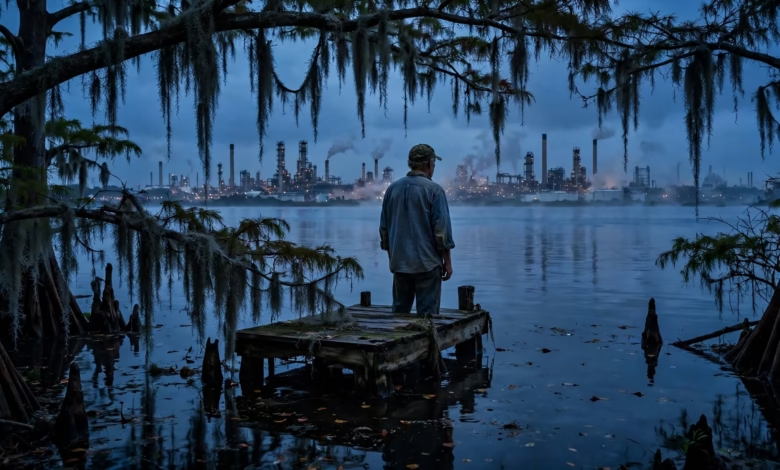
There Are Books You Read To Understand, And Books You Read To Make Sure You Were Right, And This Book Is Of The First Type, The Rare Type That Asks You To Leave Your Comfortable Seat In Your Ideological Tower And Go Down To The Swamp, Literally. This Is What The American Sociologist Arlie Russell Hochschild Did. A Professor Of Sociology At The University Of California – Berkeley, That Liberal Fortress On The West Coast, Decided In 2011 To Cross What She Called “The Empathy Wall” And To Go Where Her Colleagues Usually Do Not Go: To Louisiana, To The Depths Of The American South, To The Stronghold Of The Tea Party, To The People Who Vote Against Their Apparent Interests, As Liberals Like To Say.
Hochschild Chose The State Of Louisiana For A Good Reason That Is Not Without Irony. It Is The Second Poorest State In America, And It Is Also One Of The Most Environmentally Polluted States In The Country, Containing What Is Called “Cancer Alley” Between Baton Rouge And New Orleans, Where Petrochemical Factories Line The Banks Of The Mississippi And Spew Their Poisons Into The Air And Water. Its Residents Suffer From The Highest Rates Of Cancer, Asthma, And Diseases Resulting From Pollution, And At The Same Time They Are Among The Fiercest Opponents Of The Environmental Protection Agency, And Among The Most Enthusiastic Supporters Of Candidates Who Want To Dismantle It And Abolish Clean Air And Clean Water Laws. This Is The Great Paradox That Hochschild Puts At The Heart Of Her Book (Strangers In Their Own Land – Anger And Mourning In The Stronghold Of The American Right Strangers In Their Own Land: Anger And Mourning On The American Right) Published In 2016 By The New Press, Which Reached The Shortlist For The National Book Award: Why Do Those Who Are Most In Need Of Federal Government Help Vote Against The Federal Government Itself? Why Does The Fisherman Who Lost His Livelihood Due To Pollution Raise A Banner In Support Of The Company That Polluted His Gulf?
The Easy Answer, Ready-Made In The Corridors Of The Liberal Left, Is That These People Are Deceived, Or Ignorant, Or Victims Of Fox News And The Koch Brothers Propaganda. Hochschild Rejects This Answer Not Out Of Moral Tolerance, But Out Of Strict Scientific Method. She Says She Wanted To Understand What She Called “The Deep Story” – Deep Story – Which Is Not A Political Program Nor A Set Of Facts, But A Story People Feel, A Story That Tells Them Their Place In The World And How It Was Taken From Them. The Task Of The Sociologist, As She Sees It, Is Not To Judge, But To Climb The Empathy Wall And See The World As Others See It, Even If This World Contradicts Her Convictions.
Therefore She Spent Five Years Moving Between Louisiana, Sitting In People’s Kitchens, Attending Barbecues In House Yards, Going To Sunday Mass, And To Tea Party Meetings In Small Town Halls, Listening More Than Talking. Her Method Is Inspired By Her Diplomat Father Who Taught Her That Entering Another Culture Requires Respect That Does Not Prevent Criticism. She Did Not Go As A Journalist Looking For A Sensational Quote, But As An Anthropologist Who Wants To Live The Experience. And This Is What Gives The Book Its Huge Literary Power. It Is Not A Statistical Report On Voting, But A Social Novel About Another America That Does Not Appear On The Maps Of New York And Washington.
The Journey Begins In Lake Charles, An Industrial City On The Gulf Of Mexico, Where Oil Meets Water, Industry Meets Fishing, And Extreme Wealth Meets Extreme Poverty. There Hochschild Meets Characters Who Will Become The Heroes Of Her Book, Not Theoretical Models But Human Beings Of Flesh And Blood, With All Their Contradictions, Nobility, And Mistakes. There Is Lee Sherman, The Man With Whom We Will Spend A Whole Chapter Titled “One Good Thing”. A Man In His Eighties, Who Worked All His Life As A Pipefitter At The Pittsburgh Plate Glass Factory, Exposed To Chemical Accidents That Almost Took His Life, Asked To Dump Toxic Waste Secretly In The Bayou D’Inde Swamp, So He Did, Then Saw A Bird Fall Dead From The Fumes Of That Waste, So He Saved It With His Mouth, By Blowing Air Into Its Beak, In A Cinematic Shot That Summarizes The Entire Human Tragedy. This Man Whose Body Was Destroyed By Chemicals And Who Was Fired By His Company After His Injury, Is Himself The Most Enthusiastic Volunteer To Hang The Signs Of The Republican Candidate Who Wants To Abolish The Environmental Protection Agency.
How Can One Mind Combine These Two Opposites? This Is The Question That Does Not Leave The Reader In The First Pages, And It Is The Question That Hochschild Will Try To Answer Not With Logic, But With Emotion. She Does Not Ask “What Do They Think?” But “What Do They Feel?” And She Discovers That Behind Political Positions That Seem Irrational, There Is An Emotional Structure That Is Extremely Rational And Coherent, A Structure Built On Pride, Loss, And Waiting In A Long Line.
In Order To Understand Louisiana, You Must Understand Its Relationship With The Land. It Is Not Just A State, But A Unique Ecosystem, A Network Of Swamps, Bays, And Slow Rivers Called Bayou, Where Generations Of Cajuns And Creoles Lived On Shrimp And Crawfish Fishing. Then Oil Came At The Beginning Of The Twentieth Century, With It A Promise Of Jobs And Prosperity, And With It Also An Unwritten Agreement: Take Our Oil, And Take Our Land, But Give Us Work. The Federal Government In Washington Seemed Distant, Bureaucratic, Imposing Taxes And Regulations, While Companies Seemed Close, Granting Salaries, Sponsoring The Local Football Team, And Building A Church. And Thus The Moral Equation Was Reversed. The Evil That Pollutes Is At The Same Time The Good That Feeds.
This Reversal Is The Essence Of The Great Paradox That Hochschild Writes About. And She Names It Precisely: The People Who Are Most Harmed By Pollution Are The Most Tolerant Of The Polluters. Because Admitting That The Company That Feeds You Is The One That Is Killing You Is An Extremely Painful Admission, Requiring A Degree Of Grief That Those Who Live On The Edge Of Survival Do Not Have. It Is Psychologically Easier To Blame The Government, That Distant Abstract Entity That Comes To Tell You That Your Fish Is Poisoned, Instead Of Blaming The Factory That Gives Your Son A Job.
This Is Not A Book About Trump, Although Trump Appears At Its End As An Inevitable Result, But It Is A Book About The America That Made Trump Before Trump Appeared. A Book About Wounded Dignity. About Men And Women Who Felt That They Were Standing In A Long Line Toward The American Dream, A Line In Which They Waited Patiently For Decades, Abiding By The Rules, Going To Church, Working Hard, Raising Their Children, Then Suddenly Saw Others Overtake Them In The Line, With Support From The Government: Women, Minorities, Immigrants, And Even Pelicans That Receive Federal Protection While They Do Not. A Feeling That They Are Strangers In Their Own Land.
If Hochschild’s Book Were Just A Theoretical Analysis Of The Great Paradox, It Would Not Have Deserved All The Noise It Caused When It Was Published In The Fall Of 2016, A Few Weeks Before Donald Trump’s Victory. Its Real Strength Lies In The Fact That It Does Not Talk About An Abstract Voting Bloc That Analysts Call “The Right,” But About Faces And Names And Stories, About People Who Opened Their Homes And Hearts To Her Despite Knowing That She Is A Liberal From Berkeley, A Word That Equals In The Southern Dictionary An Almost Ready-Made Accusation.
There Is Mike Schaff, The Organizer Of The Tea Party In Louisiana, A Self-Made Businessman Who Owns A Small Carpet Cleaning Company, Who Believes That Government Is The Problem Not The Solution, And Who Quotes Ronald Reagan As A Priest Quotes The Bible. Mike Is Not Racist In The Crude Sense That Liberals Imagine, He Is Married To A Woman Of Latin Origin, And He Employs Blacks And Whites, But He Feels That The Rules Changed In The Middle Of The Game. He Tells Hochschild Bitterly: “We Were Playing A Fair Game, Then Suddenly The Government Came And Said, We Will Give Extra Points To These And Those.” This Feeling That The Game Is No Longer Fair Is The First Key To Understanding The Anger.
Then There Are Harold And Annette Areno, An Elderly Couple Living A Few Miles From A Huge Chemical Plant. Their Garden Dies Little By Little, The Water In The Well From Which They Drink Is Polluted, And Their Daughter Suffers From Mysterious Health Problems. Yet, When Hochschild Asks Them About The Plant, They Shrug And Say: “This Is The Price Of Progress.” Then Harold Goes On To Tell Her About The Environmental Protection Agency That Came And Asked For Samples Of His Soil, And How He Felt That It Was Violating His Private Property, Spying On Him. The State That Is Supposed To Protect Him Seems Intrusive To Him, And The Company That Poisons Him Seems An Inevitable Fate, Even A Source Of Livelihood For Neighbors.
But The Central Character Is Lee Sherman. Hochschild Dedicated A Chapter To Him Titled “The Story Of Lee,” Which Is A Chapter That Could Be A Short Novel About America. Lee Sherman Is A Man Born Poor, Who Left School Early, Worked As An Industrial Plumber In Chemical Plants Along The Gulf Coast. In The Seventies, He Was Working In A Factory Producing P I B Material, A Highly Toxic Material, And His Supervisor Asked Him To Get Rid Of Toxic Waste Barrels Illegally, By Throwing Them Into Bayou D’Inde, One Of The Beautiful Bays Where He Fished As A Child. He Did That Many Times. And On One Occasion, He Saw A Group Of Birds Falling From The Sky Over The Swamp, Suffocated By Fumes. He Ran Towards One Of Them, A Small Bird, And Tried To Save It, Put Its Beak In His Mouth And Blew, In A Desperate Attempt To Bring It Back To Life. The Bird Died. This Moment, The Moment Of Blowing Into The Beak Of A Poisoned Bird With Waste He Himself Threw, Haunts Him To This Day.
After That Lee Himself Was Injured, His Face Burned With A Chemical, And His Company Lost Interest In Him, Fired Him After He Became A Burden, Then He Fought A Long Legal Battle To Get Compensation. This Man Was Supposed To Become One Of The Fiercest Enemies Of Big Corporations, And One Of The Strongest Supporters Of State Regulation. But The Opposite Happened. Lee Became One Of The Most Enthusiastic Supporters Of The Tea Party, A Volunteer Hanging Signs In The Heat, Believing That The Environmental Protection Agency Is The Enemy, And That Oil Companies Are The Friends Of The People. How? Hochschild Answers That Lee, Like Many Others, Separates The Act Of The Company As An Abstract Entity, And The Act Of The Good Individuals Who Work In It, His Neighbors And Relatives. And More Importantly, He Sees In The Factory A Source Of Pride And Identity. Louisiana Is An Oil State, Men In It Are Proud Of Their Hard Work On Platforms And Refineries, Work That Gives Them Masculinity And Dignity In A World Where They Feel Their Dignity Is Being Taken Away. To Attack Oil, Is To Attack Their Masculinity.
Here Hochschild Excels In Presenting Her Most Important Methodological Concept, Which Is What She Calls “Emotional Labor” And “Feeling Rules.” And She Borrows From The Sociology Of Emotions Which She Herself Founded Decades Ago. The Idea Is Simple And Deep: Societies Do Not Only Set Rules For What You Should Do, But For What You Should Feel. In Louisiana, The Feeling Rule Is: Do Not Grieve, Do Not Complain, Be Patient, Be Proud, And Consider Suffering As Evidence Of Your Strength. Complaining Is Weakness, And Depending On The Government Is Shame. Therefore, When Your Child Gets Sick Because Of Pollution, The Rule Tells You To Endure, Not To Protest. And When You Lose Your Job, It Tells You To Blame Yourself For Not Working Hard Enough, Not To Blame The System.
This Is What Makes Hochschild Different From Those Who Visited Louisiana For A Day Or Two. She Did Not Go To Record Statements, But To Understand The “Emotional Infrastructure” Of Politics. She Used A Technique She Calls “Mutual Focal Length,” Where She Tells The Liberal Reader The Story Of The Conservative, Then Returns To The Conservative To Tell Him: This Is How Liberals See You, What Do You Think? She Put Herself As A Fragile Bridge Over The Empathy Wall, And Endured The Anger Of Both Sides.
In Her Meetings With Tea Party Women, She Discovered Another Dimension, Which Is The Dimension Of Faith. The Evangelical Church Is Not Just A Place For Prayer, But It Is A Social Safety Network Alternative To The State. When You Get Sick, The Church Helps You, Not The Government. When You Go Bankrupt, The Congregation Collects Donations For You. Therefore, The Idea That The Distant Secular Federal Government Comes To Impose New Values On You About Marriage Or Abortion Or Education, Seems Like A Cultural Invasion. The State Does Not Seem Like A Protector, But Like A Moral Invader.
And All This Leads Us To The Heart Of The Book, To That Story That Each One Of Them Carries In His Chest Without Saying It Out Loud. A Story That Hochschild Tries To Formulate On Their Behalf, After Listening For Hundreds Of Hours, A Story She Calls “The Deep Story.” And It Is Not A Lie They Believe, But A Real Feeling That Explains The World To Them.
If You Asked Arlie Hochschild To Summarize Five Years Of Research In One Paragraph, It Would Be This Paragraph Which Is What She Calls The Deep Story. It Is Not An Election Program, Nor A Conspiracy Theory, Nor Even A Set Of Political Opinions. It Is A Story People Feel In Their Core, A Story Told In The Kitchen Not In The News Bulletins, A Story That Explains Why A White Man In His Sixties, Who Worked All His Life, Served In The Army, Goes To Church Every Sunday, Why He Feels Like A Stranger In His Country.
Hochschild Tells It In Their Voice, In The First Person, As If She Embodies Them To Make The Liberal Reader In Berkeley Or Brooklyn See The World Through Their Eyes For A Moment. The Story Says: You Are Waiting In A Long Line, A Line That Extends Over A Hill, Up To The Top Of The Hill Where The American Dream Is. The Line Is Long, But You Are Patient. Your Parents Taught You That Patience Is A Virtue, And That Hard Work Will Be Rewarded In The End. You Have Been Standing In Your Place For Years, Working Hard, Paying Your Taxes, Not Complaining. The Hills Around You Are Your Land, Louisiana, Beautiful But Harsh, You Learned To Love It Despite Everything.
Then You Begin To Notice Something Strange. The Line Does Not Move. In Fact, You Are Moving Backwards. And Suddenly, You See People Cutting In Front Of You, Cutting The Line From The Side. You See Women, Minorities, Immigrants, Refugees, And Even Endangered Animals Like The Brown Pelican That The Federal Government Protected While It Did Not Protect Your Job. All Of Them Are Advancing Ahead Of You, Sponsored By The Government. The Government, Represented By An Elegant Black Man In The White House, Tells You: These People Need Special Help, Because They Have Suffered Historically. And You Stand There, Thinking: What About Me? I Also Suffered. I Am Also Poor. But No One Helps Me, On The Contrary, I Am The One Who Pays For Their Help From My Taxes.
This Is The Deep Story As Formulated By Hochschild After Hundreds Of Interviews. And It Is A Story That Is Not About Greed, But About Honor. The Wound Is Not Only Economic, But It Is A Wound Of Dignity. A Feeling That You Did Everything Right, And Yet You Were Overtaken. And A Deeper Feeling That You Are No Longer Respected. You See News Anchors On Television Mocking Your Southern Accent, And Your Faith, And Your Love Of Guns, And Your Way Of Life. You Feel That The Cultural Elite On The East And West Coasts Look At You As A Backward Being, As A Racist, As An Ignorant, While You See Yourself As A Person Preserving The Values That Built America: Family, Religion, Hard Work, Self-Reliance.
In This Story, President Barack Obama Is Not Just A President, But He Is A Symbol Of This Overtaking. He Himself Is A Line-Cutter In Their Eyes. A Black Man, A Foreign Father, A Strange Name, Reached The Highest Position In The Country, And Immediately Began Helping Others To Cut The Line: Health Insurance For The Poor, Environmental Protection At The Expense Of Oil Jobs, Support For Same-Sex Marriage, Defense Of Immigrants’ Rights. Every Policy Of His, No Matter How Noble In The Eyes Of Liberals, Seemed In Louisiana As Additional Evidence That The Line Was No Longer For Them.
And Here Lies Hochschild’s Genius. She Does Not Say That This Story Is True In Terms Of Reality. She Knows That Statistics Show That Social Welfare Programs Benefit Poor Whites More Than Any Other Group, And That Environmental Protection Laws Are The Ones That Protect Louisiana’s Children From Cancer. But She Says That Emotional Truth Is Stronger Than Statistical Truth. People Do Not Vote Based On Data Tables, But Based On What They Feel Is Fair. And If You Feel That You Have Been Waiting In Line For Twenty Years While Others Overtake You With The Help Of The Government, You Will Get Angry, Even If This Overtaking Is Statistically An Illusion. The Anger Is Real, Even If Its Causes Are Imagined.
The Deep Story Also Explains Why These People Do Not Trust The Government, And Trust Companies. In Their Narrative, The Government Is The One That Organizes The Line And Allows It To Be Cut, It Is The Biased Referee. As For Companies, Like B P And Exxon And Chevron, They Are The Ones That Provide Jobs At The End Of The Line. True They Pollute, True They Exploit, But At Least They Exist, Tangible, Giving You A Salary At The End Of The Month. The Government Takes, The Company Gives, Even If Its Giving Is Poisoned.
And The Story Also Explains Something Else, Which Is Mourning. The Subtitle Of The Book Is “Anger And Mourning On The Land Of The American Right.” Mourning Is Not Only For Jobs That Were Lost, Or For The Environment That Was Destroyed, But For A Way Of Life That Is Disappearing. For A Town That Was Full Of Fishermen And Became Full Of Strange Oil Men. For The Cajun Language That Is Disappearing. For Respect That Was Given To The Man Who Works With His Hands And Is Now Given To The Programmer In Silicon Valley. For A White, Christian, Rural America, That Was The Base And Now Feels That It Is The Margin.
This Mourning Explains Why These People Seem, In The Eyes Of The Outside Observer, As If They Are Voting Against Their Interests. Because Interest Is Not Only Material. There Is An Emotional Interest, An Interest In Restoring Dignity. When A Politician Like Donald Trump Comes And Says: “I Will Make America Great Again,” He Does Not Offer An Economic Program, But He Offers Recognition Of The Deep Story. He Tells Them: Yes, You Were Waiting In Line, And Yes, You Were Overtaken, And Yes, I Will Bring You Back To The Front Of The Line. I Will Build A Wall To Prevent More Line-Cutters From Entering. This Message, With All Its Crudeness, Was More Convincing Than Thousands Of Reports On Pollution.
Hochschild Tells How She Presented The Deep Story To Her Friends In The Tea Party, And Asked Them: Is This Your Story? Most Of Them Answered: Yes, With Some Modifications, But This Is It. She Succeeded In Being A Mirror, Not A Judge. And This Is The Biggest Lesson In The Book. To Understand Does Not Mean To Agree. To Climb The Empathy Wall Does Not Mean To Demolish The Wall Of Criticism. But You Cannot Criticize What You Do Not Understand. And The American Left, As Hochschild Sees It, Failed For Years To Understand This Story, And Was Content To Mock It, So It Lost The Elections And Lost The Ability To Dialogue.
In Order To Understand Louisiana’s Anger, You Must Walk In Its Swamps. Not Metaphorically, But Literally. Arlie Hochschild Takes You In Her Middle Chapters To Bayou D’Inde, And To Bayou Corne, And To Jean Charles Island Which Is Slowly Sinking In The Gulf Of Mexico, To Places That No Longer Appear On Tourist Maps. There, Where The Smell Of Sulfur Fills The Air, And Where Oil Spots Float In Rainbow Colors Over Water That Was Once Transparent, You Understand Why Politics In This State Seems Upside Down.
Louisiana Is A Long Love And Betrayal Story Between A Poor People And A Rich Company. The Story Began In 1901 When The First Huge Oil Well Erupted In Spindletop In Neighboring Texas, And The Black Gold Fever Spread South. Men Came From The North, In Elegant Suits And Bigger Promises: We Will Transform Your Poor Swamps Into Fields Of Prosperity, We Will Give Your Sons Jobs With Salaries Their Fisherman Fathers Never Dreamed Of. And That Was Partially True. Salaries Rose, Schools Were Built, Roads Were Paved. But The Price Was The Land Itself.
Hochschild Tells How Oil Companies Dug Thousands Of Miles Of Canals Through The Swamps To Transport Drilling Platforms And Equipment, Allowing Salt Sea Water To Enter Freshwater Swamps, Killing The Cypress Trees That Protected The Coast From Hurricanes, And Destroying The Habitats Of Shrimp And Crabs On Which Cajuns Lived For Generations. Then Came Chemical Pollution. Louisiana Today Contains A Quarter Of The Petrochemical Production In The United States. Along The Mississippi River Between Baton Rouge And New Orleans, There Is An Industrial Corridor That Residents Call Cancer Alley, Where 150 Chemical Plants Line Up, And Where Cancer Rates Are Fifty Percent Higher Than The National Average. In A Town Like Mossville, A Historic Town Of Free Blacks Founded By Former Slaves After The Civil War, It Became Surrounded By Fourteen Factories, And Its Residents Were Forced To Leave After The Air Became Unfit To Breathe, So Sasol Company Bought Their Lands At A Cheap Price And Demolished Their Homes To Expand Its Factory.
Here Appears The Paradox That The Outside Observer Does Not Notice. If You Were In The Place Of These Residents, Logic Says That You Would Demand More State Regulation, More Environmental Protection Agency, More Compensation. But What Happens Is The Opposite. Because Companies Succeeded In Building A Deep Emotional And Economic Alliance. They Do Not Only Give Jobs, But They Give Identity. The Man Who Works In The Refinery, Even If He Knows That His Work Is Slowly Killing Him, Feels The Pride Of Manhood, Pride That He Feeds His Family With The Sweat Of His Brow, Not With Government Aid. And When The Environmental Protection Agency Comes And Tells Him That His Factory Is Polluted, He Does Not Hear A Defense Of His Health, But He Hears An Accusation That He Is Part Of The Problem, And A Threat To His Only Source Of Pride.
Then There Is The Long History Of Government Betrayal. Louisiana Is The State That Witnessed One Of The Biggest Environmental Disasters Caused By The Government Itself. In 1980, The Army Corps Of Engineers Ordered The Digging Of The Mississippi River Gulf Outlet Channel, A Shipping Channel That Shortened The Way To The Gulf Of Mexico, But It Destroyed The Natural Barrier Of The Marshes, And Contributed Directly To Making Hurricane Katrina More Destructive In 2005. The Government That Promised Protection, Brought Flooding. And When People Drowned, Federal Aid Was Delayed For Days, And People Were Left To Die On The Roofs Of Their Homes While The World’s Cameras Watched. This Memory Is Not Forgotten. The State That Does Not Come When You Drown, Has No Right To Come To Tell You How To Manage Your Factory.
Hochschild Explains How The New Conservative Movement Exploited This Memory Skillfully. Since The Eighties, And With The Rise Of Ronald Reagan, An Organized Discourse Began Saying: Government Is Not The Solution, Government Is The Problem. This Discourse Found Fertile Ground In Louisiana. Governor Bobby Jindal, Who Ruled The State Between 2008 And 2016, Is The Clearest Example. Jindal, Son Of Indian Immigrants, Smart And Ambitious, Decided To Turn Louisiana Into A Laboratory For Economic Libertarianism. He Cut Taxes On Companies Hugely, And Cut Higher Education Funding By Forty-Five Percent, And Abolished Health Care Programs, And Refused To Expand The Medicaid Program That Would Have Secured Care For Tens Of Thousands Of Poor People In His State, Only Because It Is Part Of Obamacare. The Result Was Economically Catastrophic, But It Was Politically Successful, Because He Presented Himself As One Who Fights Washington, As One Who Defends Louisiana’s Dignity Against Federal Interference.
And At The Heart Of All This, Hochschild Discovers A Phenomenon She Calls “Crossing.” People Cross, Meaning That They Change Their Loyalty From One Idea To Its Opposite To Avoid Cognitive Pain. Lee Sherman Knows That The Company Polluted, But He Crosses To The Belief That The Government Is Worse. Harold Sees That The Water Is Polluted, But He Crosses To The Belief That Talking About Pollution Is A Conspiracy By Environmentalists To Prevent Jobs. This Crossing Is Not Stupidity, But It Is A Psychological Defense Mechanism. Because The Alternative, Which Is Admitting That You Sacrificed Your Health And Your Children’s Health For A Company That Abandoned You, Is An Extremely Painful Alternative, Unbearable.
And Hochschild Reaches A Painful Conclusion: The State Most Dependent On Federal Government Money Is The Most Hateful Of It. Louisiana Always Ranks First Or Second In The List Of States That Take From The Federal More Than They Give. Every Dollar It Pays As Taxes, It Takes In Return One Dollar And Forty Cents In The Form Of Aid, Programs, Infrastructure, And Disaster Compensation. But It Votes Continuously Against Who Gives It This Money. Why? Because The Money Comes Conditional On Humiliation. It Comes With Laws That Tell You How To Fish, And How To Build, And How To Teach Your Children. It Comes With A Politically Correct Language That Talks About Diversity And Equality, While You Feel That You Are The One Who Has Become A Minority. The Company, Even If It Exploits You, Does Not Ask You To Change Your Language Or Your Faith. It Only Asks You To Work.
In This Chapter Of The Book, You Realize That What The Liberal Press Calls “Voting Against Interest” Is In Fact Voting For Another Interest, A Non-Material Interest, Which Is The Interest Of Dignity And Belonging. And This Is What Paves The Way For Trump’s Emergence. Trump Did Not Come From A Vacuum, He Came To Gather All These Threads: Hatred Of The State, And Love Of Industry, And Wounded Pride, And Mourning For A Disappearing World.
When Arlie Russell Hochschild Finished The Manuscript Of Her Book In The Summer Of 2016, Donald Trump Had Not Yet Won. He Was A Candidate Mocked By Most Berkeley Professors, Considered A Transient Television Phenomenon That Would End In A Crushing Defeat. But Hochschild, Who Spent Five Years Listening To Anger In Louisiana Kitchens, Knew Something That Washington Pollsters Did Not Know. She Knew That The Long Line She Described In Her Deep Story Had Finally Found Someone To Shout Its Name.
In The Last Chapter Of The Book, Which She Wrote Hastily Before Printing, She Tells Of Her Last Meeting With Her Friends From The Tea Party After Trump Became The Republican Party Candidate. She Describes Their Own Astonishment, Then Their Growing Enthusiasm. One Of Them, Mike Schaff Who Believed In Absolute Free Market, Told Her: “I Know He Is Not A True Conservative, But At Least He Slaps The Elite In The Face, And That Is Enough For Me.” One Sentence Sums Up Everything. Trump Did Not Need A Program, He Needed To Be A Slap. A Slap To The Empathy Wall That The Liberal Elite Built Around Itself, A Wall That Says: We Are Smarter, We Are More Moral, We Know Your Interests Better Than You Do.
Hochschild Calls This “The Emotional Politics Of Self-Protection.” When People Feel That Their Identity Is Threatened, They Do Not Look For A Politician Who Offers Them A Ten-Point Plan To Fix Health Insurance, But They Look For One Who Protects Their Pride. Trump Understood The Deep Story Instinctively, While Hillary Clinton Failed To Understand It Completely. When Clinton Described Half Of Trump’s Supporters As A “Basket Of Deplorables,” She Was Confirming To Them Exactly What They Felt: That The Elite Despises Them. Trump, In Contrast, Told Them: You Are Not Deplorable, You Are Victims, And The System Stole Your Dream. I Will Build A Wall, Not Only On The Border With Mexico, But A Wall Around Your Dignity.
And Here Lies The Prophecy Of The Book That Makes It More Important Today, In 2026, Than It Was In 2016. Hochschild Did Not Write About Trump, But She Wrote About The Conditions That Made Trump Possible. And The Conditions Still Exist, Even Worsened. The Empathy Wall She Talked About Did Not Collapse After The Elections, But Became Higher And Thicker. Liberals In Big Cities Became More Convinced That Rural America Is Racist And Ignorant, And Conservatives In The Countryside Became More Convinced That Cities Are A Swamp Of Corruption And Atheism. Each Side Lives In A Media Bubble That Feeds It What It Wants To Hear. Fox News On One Side, And The New York Times On The Other, Both Sell Anger, Because Anger Sells Advertisements.
What Does Hochschild Offer As A Solution? And This Is The Question That Every Reader Asks At The End Of The Book. And She Does Not Offer An Easy Political Solution, She Does Not Say Vote For Democrats Or Republicans. What She Offers Is A Method. She Says: If We Want To Live Together In One Country, We Must Climb The Empathy Wall, Not Demolish It With Bombing. To Climb Means To Listen, Not To Agree, But To Understand Where The Pain Comes From. And This Listening Requires Great Moral Courage, Because You Will Hear Things That May Contradict Your Deepest Values About Race And Gender And Environment.
In Her Last Meetings, Hochschild Asked Her Friends In Louisiana: What If The Federal Government Came And Told You, We Will Clean Up The Pollution, And We Will Compensate You For The Lands, And We Will Build Better Schools For You, But On Condition That You Accept Environmental Protection Laws? Most Of Them Answered: We Do Not Trust It To Do That. Trust Is Completely Lost. And This Is The Deepest Lesson. Politics Is Not Only Distribution Of Resources, But It Is Building Trust. And When Trust Collapses, Numbers And Plans Are Useless.
In The End, The Book Is An Elegy. An Elegy For An America That Thought It Was One Nation, And Discovered That It Is Two Nations Living Behind An Empathy Wall Invisible To The Naked Eye, But More Solid Than Any Brick Wall. And If There Is Hope, It Is In The Same Act That Hochschild Did: Packing Bags, And Driving Towards The Place, And Sitting With Someone Who Completely Disagrees With Us, And Listening, Until The End, Without Interrupting Him To Correct His Numbers. Because The Truth That Louisiana Reveals Is That People Do Not Die From Wrong Numbers, But They Die From The Feeling That No One Is Listening To Them.