
The Transformation Of The World: The Nineteenth Century In Which We Still Live

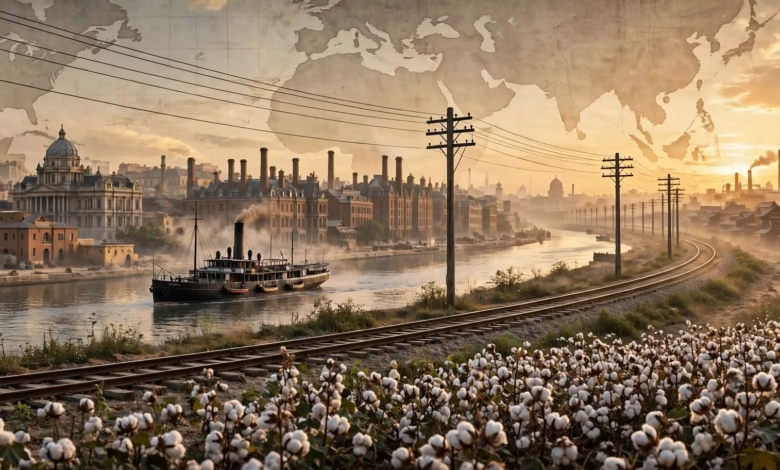
When The Nineteenth Century Is Mentioned In Our Collective Imagination, Scattered And Disconnected Images Come To Mind: A Factory Chimney In Manchester Polluting The Sky Of England, A Napoleonic Soldier Raising His Flag Above The Pyramids Of Giza, A Railway Line Cutting Through The Sinai Desert, A Japanese Emperor Removing His Sword And Replacing It With A Western Suit, And An African Man In Chains Being Transported Across The Ocean. But These Images, Despite Their Power, Remained For Long Decades Locked Inside Separate Sections In History Books, Each Continent Telling Its Own Story Alone, And Each Nation Writing An Isolated Autobiography. The Book By The German Historian Jürgen Osterhammel “The Transformation Of The World: A History Of The Nineteenth Century” First Published By C.H. Beck In 2009 In Its Original German Edition “Die Verwandlung Der Welt”, Which Exceeds 1570 Pages In Its Complete Version, Comes To Break This Barrier Radically And Declares That The Nineteenth Century Was Not A European Century At All, But Was The First Truly Global Century In Which Our Planet Was Formed In Its Current Shape.
Osterhammel Is Not An Ordinary Historian Writing From An Ivory Tower In Berlin Or Munich, But Is One Of The Most Prominent Pioneers Of What Is Called Today “Global History”. He Worked For Long Years In Germany And Britain And The United States, And Specialized In The History Of Colonialism And The History Of China, And This Rare Combination Between Deep Knowledge Of The West And Non-Orientalist Knowledge Of The East Is What Gives His Book This Balance. The Book Is Not A Translation Of The Events Of Europe Into Other Languages, But Is An Attempt To Understand How The Whole World, From Tokyo To Cairo, And From Lagos To Buenos Aires, Transformed In One Period Of Time, Through Mechanisms That Were Sometimes Similar And Sometimes Contradictory, But Always Interconnected.
What Makes This Work Unique Is That It Rejects From Its First Pages The Idea Of Simple Linear History. In The Chapter Devoted To Time Entitled “When Was The Nineteenth Century?” Osterhammel Raises A Question That Seems Obvious But Shakes The Foundations Of Traditional Historical Writing: Did The Nineteenth Century Begin On The First Of January 1801 And End On The 31st Of December 1900? For The Historian Sitting In Paris, The Answer Might Be Yes. But For A Peasant In China Living Under The Calendar Of The Jiaqing Emperor, Or For A Muslim Merchant In Cairo Counting Years By The Hijra, Or For A Siamese Farmer Counting By The Buddhist Year 2343, This Division Has No Meaning At All. Osterhammel Explains That The Magic Of The “Century” As A Unit Of Time Is A Purely Western Christian Invention, Which Did Not Become A Global Standard Except With The Imposition Of The Gregorian Calendar Through The Soft Power Of Colonialism And Trade And Railways. Russia Did Not Adopt It Except In 1918, And Turkey In 1927, And Egypt And The Levant Lived For Decades In Duality Between The Hijri And Gregorian And Ottoman Administrative Calendars. Therefore, The Author Chooses A Solution: There Is A Strict Calendar Century From 1801 To 1900 Which He Uses As A Reference Framework, And There Is A “Long Century” That Begins Since The Seventies Of The Eighteenth Century With The American And Industrial Revolutions, And Extends Until The Twenties Of The Twentieth Century When The First World War Actually Ended With The Treaties Of Lausanne And The Collapse Of The Ottoman Sultanate.
This Methodological Introduction Is Not A Luxury, But Is A Declaration Of Intent. Osterhammel Wants To Write A History That Will Not Be A Victim Of Eurocentrism. We Have Grown Tired Of Books That Say The Nineteenth Century Is The Century Of The Industrial Revolution And Democracy And Nationalism, As If These Phenomena Happened Only In England And France And Germany And Then Were Exported To The World. The Truth Which The Book Reveals, With Overwhelming Evidence, Is That The World Was Transforming At The Same Moment Through Five Major Simultaneous Paths, Which The Author Calls The Five Great Transformations, And Which Constitute The Whole Book.
The First Of These Transformations Is Population Growth And Migration. In 1800 The Population Of The World Was About One Billion People, And In 1910 It Became One Billion And Seven Hundred Million. But More Important Than The Number Is The Movement: More Than Fifty Million Europeans Migrated To The Americas, And Millions Of Indians And Chinese Moved As Forced Labor Or Contract Labor To Southeast Asia And The Caribbean And East Africa. Cairo, Which Was A Relatively Small City In 1800, Became In 1900 A Cosmopolitan City Inhabited By Greeks And Italians And Armenians And Jews And Levantines. This Huge Human Mobility Created What Osterhammel Calls “The First Global Diaspora”.
The Second Transformation Is The New Relationship Between Man And Nature, Which Some Call Today The Beginning Of The “Anthropocene”. The Nineteenth Century Is The Century In Which The Suez Canal Was Dug, In Which The Forests Of The Amazon And Southeast Asia Were Cut On An Industrial Scale, In Which Coal And Oil Were Extracted In Unprecedented Quantities, And In Which Pollution In London Reached A Degree That The River Thames Became An Open Sewer. But It Is Also The Century In Which The First Environmental Conservation Movements Appeared In Germany And America.
As For The Next Transformations, They Are: The Rise Of Empires And The Industrial Revolution And The Modern State. Here Osterhammel Excels In Dismantling The Myth That Says Industrialization Was A European Destiny. He Explains With Numbers That China And India Until 1830 Were Producing More Than Half Of The World’s Industrial Output, And That What Happened After That Was Not A Moral Or Cultural Superiority Of The West, But Was A Temporary Deviation Resulting From The Accumulation Of Coal And Iron And Colonialism And Military Power. And He Devotes Wonderful Chapters On How Egypt Of Muhammad Ali, And Japan In The Meiji Era, And Siam, And The Ottoman State In The Era Of The Tanzimat, Built Modern States That Tried To Imitate The European Model But Were Not Mere Pale Copies, But Were Authentic Projects Of Self-Modernization, Some Of Which Succeeded And Some Of Which Failed For Complex Internal And External Reasons.
And Finally, The Fifth Transformation Is The Networks Of Communication And Connection. The Nineteenth Century Is The Century Of The Telegraph And The Steamship And The Railway And The Newspaper. In 1850 A Message From London To Bombay Took Three Months, And In 1900 It Took Hours Via The Submarine Telegraph Cable. This Compression Of Time And Distance Is What Created Global Awareness For The First Time. When A Famine Occurred In India In 1876, People Read About It In The Newspapers Of Buenos Aires The Next Day, And When The Urabi Revolution Broke Out In Egypt, The London Stock Exchange Reacted To It Immediately.
In This Sense, The Title Of The Book “The Transformation Of The World” Is A Description Of A Material Historical Process: The World Which Was In 1800 A Collection Of Semi-Isolated Civilizational Islands, Became In 1900 One System Interconnected Economically And Politically And Culturally, A System In Whose Tails And Results We Live Today. And Osterhammel Writes About How This Interconnection Created Huge Wealth But Also Created Extreme Poverty, And Colonial Famines, And Wars Of Extermination In America And Australia, And A Racist Division Of The World.
The Biggest Trap Into Which The Historian Who Tries To Write A History Of The World Falls Is That He Ends Up Writing A History Of Europe With Some Cosmetic Additions From Outside. That He Writes A Chapter About Britain And Then Attaches To It A Paragraph About India As If It Were A Margin, Or Talks About Industrialization In The German Ruhr And Then Mentions Egyptian Cotton As A Mere Raw Material. Jürgen Osterhammel, In His Book “The Transformation Of The World”, Was Fully Aware Of This Trap, And Therefore He Did Not Begin His Book With A Narration Of Events, But Began By Dismantling The Tools We Use To Understand Events. The First Part Of The Book, Which Bears A Title That Seems Simple, “Memory And Self-Observation”, Is In Truth A Revolutionary Methodological Manifesto That Places The Reader Before A Mirror And Asks Him: From Where Do You Look At The Nineteenth Century?
Osterhammel Devotes A Discussion To What He Calls “Knowledge About Time”. In Western Culture We Deal With The Century As A Natural Thing, We Say “The Nineteenth Century” As If It Were A Physical Truth Like Gravity. But He Reminds Us That This Division Is A Modern Cultural Construction. The Hijri Calendar Which Was In Force In The Ottoman State And Egypt And Morocco, And The Chinese Lunar Calendar, And The Persian Calendar, And Even The Ethiopian Calendars, All Of Them Were Telling A Different Time. When Britain And France Imposed Greenwich Time As A Global Standard For Railways And Telegraph In The Conference Of 1884, That Was Not Merely A Technical Organization, But Was A Colonization Of Time Itself. Therefore Osterhammel Insists On Writing About “Times” Of The Nineteenth Century In The Plural, Not One Time. There Is The Time Of The Fast Intermittent Industrial Revolution In Manchester, And The Time Of The Slow Stable Empire In Beijing, And The Time Of Seasonal Trade Linked To The Monsoon Winds In The Indian Ocean, And All Of Them Coexist And Collide.
Then He Moves To His Second Concept: “The Settled And The Mobile”. Traditional History Loves Stability, Loves States And Borders And Colored Maps. But The Nineteenth Century, As Osterhammel Argues, Cannot Be Understood Except Through Movement. He Presents To Us A Statistic That Astonishes The Arab Reader: Between 1815 And 1914, More Than 82 Million People Migrated Across Oceans And Continents In Search Of Work Or Fleeing Persecution. This Number Does Not Include The Huge Internal Migrations Inside China And Russia And India. In China Alone More Than 20 Million Peasants Moved From The North To Manchuria During The Second Half Of The Nineteenth Century, Which Is Equivalent To Resettling An Entire Continent. And In The Islamic World, Osterhammel Monitors Three Parallel Major Migration Movements: The Migration Of Egyptian And Levantine Peasants To The New Coastal Cities Like Alexandria And Beirut And Smyrna Whose Populations Multiplied Ten Times, And The Migration Of Muslims From The Caucasus And Crimea And The Balkans To Anatolia After Russian Expansion, Which He Calls “The Great Muhammadan Migration” Which Brought To The Ottoman State More Than 5 Million Muslim Refugees, And Finally The Organized Asian Labor Migration Or What He Calls The “Coolie” System Which Transported Indians And Chinese To The Sugar Plantations In The Caribbean And The Indian Ocean Islands To Replace African Slaves After The Abolition Of Slavery.
This Mobility Leads Us To The Heart Of Osterhammel’s Method: His Rejection Of The Idea Of “Center And Peripheries”. In Traditional Books, There Is A Center In London And Paris And Berlin, And Dependent Peripheries In Cairo And Bombay And Shanghai. But Osterhammel Reverses The Equation And Says The Nineteenth Century Did Not Have One Center, But Had Multiple And Overlapping Centers. Alexandria In The Era Of Muhammad Ali Was A Global Center For The Cotton Industry No Less Important Than Liverpool, And Shanghai Was A Financial Center Rivaling London In Financing The Opium And Tea Trade, And Rio De Janeiro Was The Capital Of A Portuguese Empire That Transferred Its Entire Court To Brazil In 1808 In A Unique Event That Never Repeated In History, Where A Colony Was Ruled From Its Colony. This Decentralization Is What Allows Him To Write A Complete Chapter On “Cities” That Does Not Begin With Paris Or London, But Begins With A Comparison Between The Populations Of Tokyo And London And Beijing And Cairo, And Discovers That The Largest City In The World In 1800 Was Not London, But Was Edo, Present-Day Tokyo, Which Was Inhabited By More Than One Million People While London Barely Reached 900 Thousand.
And In Order To Achieve This Vision, Osterhammel Invented A Narrative Structure. The Book Does Not Proceed Chronologically From 1800 To 1900, But Proceeds Thematically. There Are Three Major Parts Called “Approaches”: The First Approach Is What People Saw And Thought, And The Second Approach Is What They Did And How They Lived, And The Third Approach Is The Deep Forces That Moved Them Without Them Realizing. Inside Each Approach There Are Chapters Called “Panoramas”. For Example In The Panorama Of Energy And Industry, He Does Not Talk About The British Industrial Revolution As A Miracle, But Places It Beside The Failed Industrialization Attempts In Egypt And India, And The Partially Successful Attempts In Japan And Russia. And He Uses A Wonderful Concept Which Is “Relative Backwardness” Instead Of “Backwardness”. Egypt Was Not Backward, But Was Relatively Late At A Specific Moment Because Of Specific Political And Colonial Choices, Like The British Fleet’s Bombardment Of Muhammad Ali’s Fleet In 1840 And The Imposition Of The Treaty Of London Which Prevented Egypt From Protecting Its Nascent Industry.
The Other Side Of The Genius Of The Book Is Its Reliance On What He Calls “Relational History”. He Is Not Satisfied With Describing What Happened In A Place, But Describes The Relationship Between Two Places. When He Talks About Cotton, He Does Not Talk About The Plantations Of The American South In Isolation From The Factories Of Manchester, Nor About The Factories Of Manchester In Isolation From The Famines Of India Which Forced Peasants To Grow Cotton Instead Of Wheat, Nor About All Of That In Isolation From The Jewish Traders In Alexandria Who Financed Shipments Of Egyptian Cotton To England After The American Civil War. Every Thread Pulls Another Thread, And In This Way The Book Transforms From An Encyclopedia Into One Fabric.
If There Is One Chapter In Jürgen Osterhammel’s Book That Is Suitable To Be Read Alone As A Novel About Human Suffering And Genius In The Nineteenth Century, It Is The Chapter Which He Calls “Life And Death”. Here The German Historian Leaves Aside The Language Of Institutions And Treaties, And Descends To The Level Of The Human Body Itself, To The Stomach Of The Peasant And The Belly Of The Mother And The Lung Of The Worker. And The Question He Raises Seems Simple But Shakes All Narratives Of Progress: Did People Live In The Nineteenth Century Better Than Their Grandfathers Lived In The Eighteenth Century? And The Answer He Presents After Statistics And Global Comparisons Is A Shocking And Double Answer: Yes And No, At The Same Time, And In The Same World, And Sometimes In The Same City.
Osterhammel Begins From A Biological Fact That Cannot Be Denied: The Nineteenth Century Is The First Century In Human History To Witness A Sustainable Population Explosion That Did Not End In Catastrophe. Since The Dawn Of History Until 1800, Population Growth Followed A Harsh Malthusian Cycle: Population Increases, Food Decreases, Then A Famine Or Epidemic Comes To Restore The Harsh Balance. But In The Nineteenth Century This Cycle Broke For The First Time In Specific Regions Of The World. In Western Europe And North America, Life Expectancy Rose From 35 Years At The Beginning Of The Century To 50 Years At Its End, And Infant Mortality Dropped From 250 Per Thousand Births To Less Than 150. What Happened? Osterhammel Rejects The Simplified Medical Explanation That Says Modern Medicine Is The Cause, And Explains With Evidence That Medicine Until 1880 Was More Deadly Than Healing, And That Hospitals Were Places Where People Died Not Healed. The Real Cause, As He Argues, Was A Silent Revolution In Three Fields: Food And Hygiene And Transport.
The Food Revolution Began In The Fields Of Potatoes And Maize. The Two American Crops Which Spread In Europe And Asia During The Eighteenth Century Became In The Nineteenth Century The Food Of The Masses. Potatoes Alone Saved Ireland And Germany And Russia From Hunger For Decades, Before Becoming Itself The Cause Of The Catastrophe Of The Great Irish Famine When The Late Blight Struck It In 1845. But More Important Than The Type Of Food Was Its Quantity And Diversity. Thanks To Railways And Steamships, It Became Possible To Transport American And Russian Wheat To The Cities Of Europe Which Were Starving Every Winter. And In Egypt, Osterhammel Monitors How Muhammad Ali’s Agricultural Reforms, Despite Their Harshness, Doubled The Production Of Wheat And Cotton, But At The Same Time Transformed The Egyptian Peasant From A Farmer Who Grows For Himself Into A Worker Who Grows For The World Market, So He Became More Vulnerable To The Fluctuations Of Liverpool Prices.
As For The Hygiene Revolution, It Is A Story No Less Exciting. Until The Middle Of The Nineteenth Century, Cities Like London And Paris And Cairo Lived In Literal Garbage. Osterhammel Describes How The River Thames In London In 1858 Released A Foul Smell To The Degree That The British Parliament Was Forced To Suspend Its Sessions In What Was Called “The Great Stink”. The Transformation Happened When States Began To Build Modern Sewage Networks, Not At First Out Of A Humanitarian Motive, But Out Of A Military And Economic Motive: Armies Were Dying From Cholera More Than Dying In Wars, And Sick Workers Do Not Produce. The British Built The London Sewage Network In 1865, And The French Built The Paris Network, And Khedive Ismail Built The Cairo And Alexandria Network, Although It Was Less Efficient. And Here Osterhammel’s Intelligence In Global Linking Appears: Cholera Itself, Which Killed Millions In The Nineteenth Century, Was Not A Local Disease, But Was The First Truly Global Epidemic Transmitted Through The Routes Of Pilgrimage And Colonial Trade. It Moved From The Ganges Delta In India To Mecca Through Indian Pilgrims, And From Mecca To Alexandria And Cairo, And From There To Marseille And London Via Steamships, And Then Crossed The Atlantic To New York. Therefore The Response To It Was The First Attempt To Build A Global Health System, Which Began With The International Quarantine Conferences Held In Paris And Istanbul And Cairo.
But The Dark Side Of This Rosy Picture Of Progress Is What Osterhammel Calls “Famines Of Globalization”. While Europeans Were Eating Better, Millions In India And Africa And China Were Dying Of Hunger Not Because Of Lack Of Food, But Because Of Its Abundance Elsewhere. The Book Presents One Of The Most Painful Chapters On The Famines Of India In 1876-1879 And 1896-1902, Where Between 12 To 29 Million Indians Died. The Cause Was Not Drought Alone, But The British Economic Policy Which Forced Peasants To Grow Cotton And Jute For Export Instead Of Rice And Millet For Eating, Then When Drought Struck, The Railways Which The British Built To Transport Cotton Were Transporting Grains To The Ports For Export While People Were Dying Beside The Tracks. And Osterhammel Cites A Correspondent Of The British Newspaper The Times Who Wrote From Madras In 1877: “I Saw Women Eating The Skins Of Dead Animals, And Children Dying And Their Mothers Having No Tears To Cry”. The Same Pattern Repeated In Egypt During The Cotton Crisis After The End Of The American Civil War In 1865, When Egyptian Cotton Prices Collapsed Suddenly And Thousands Of Peasants Who Borrowed To Grow It Went Bankrupt, And In Northern China Where The Opium Trade And Imperial Taxes Led To Famines In Which 20 Million People Died.
Then Osterhammel Moves To The Female Body. The Nineteenth Century Is The Century Of Dangerous Motherhood. Despite All Progress, Childbirth Remained The Biggest Killer Of Women. In Europe One Woman Died In Every Hundred Births, And In India And Egypt The Ratio Was One Woman In Every Twenty. But It Is Also The Century In Which The First Movements Of Family Planning Began, Not In Europe, But In France And America Where Educated Women In The Middle Classes Began To Refuse To Give Birth To Eight Or Ten Children As Their Grandmothers Did, And Used Primitive But Effective Means To Limit Births. This Silent Demographic Revolution Is What Paved The Way For Women’s Liberation Later.
And In The Midst Of All This Death And Life, Osterhammel Draws A Picture Of How The Concept Of Childhood Changed. At The Beginning Of The Century The Child In Europe And Egypt And India And China Was Merely A Small Worker, Working In The Fields Or Mines From The Age Of Five. In The Cotton Factories In Lancashire Children Who Were No More Than Eight Years Old Worked 14 Hours Daily, And In The Coal Mines Of Egypt In The Era Of Muhammad Ali Children Pulled Coal Carts. But By The End Of The Century, A Completely New Concept Appeared: The Child As A Being Who Needs Protection And Education And Play. The First Laws Banning Child Labor Were Issued In Britain In 1833, And In Prussia In 1839, And In Egypt In 1880 Under Pressure From The British Themselves, Although Implementation Was Formal. And Compulsory Primary Schools Began To Spread, Not Only Out Of A Humanitarian Motive, But Because The Modern State Discovered That It Needs Soldiers Who Read Orders And Workers Who Read Instructions.
Osterhammel Begins By Correcting A Common Illusion: The Nineteenth Century Was Not A Century Of Huge Urbanization As We Think. In 1800, Less Than 3% Of The World’s Population Lived In Cities With More Than Five Thousand Inhabitants. Even In Britain, The Cradle Of The Industrial Revolution, Most People Lived In Villages. But What Happened After That Was An Urban Explosion Unprecedented In Its Size And Speed. Between 1800 And 1910, London Grew From 900 Thousand To 7 Million People, And Paris From 550 Thousand To 2.8 Million, And New York From 60 Thousand To 4.7 Million, And Tokyo From One Million To Two Million, And Cairo From 200 Thousand To 700 Thousand, And Buenos Aires From 40 Thousand To One Million And A Half. These Numbers Are Not Mere Statistics, But Are The Story Of A Huge Forced And Voluntary Migration That Changed The Face Of Humanity.
But Osterhammel’s Genius Does Not Lie In Narrating Numbers, But In His Analysis Of City Patterns. He Divides The Cities Of The Nineteenth Century Into Five Types That Appeared At Almost The Same Time On All Continents. The First Type Is The Industrial City, Like Manchester And Birmingham And Essen In Germany, Which Are Ugly, Polluted, Overcrowded Cities, Without Planning, That Grew Around A Factory Or A Mine, And Whose Inhabitants Lived In Red Brick Huts Without Water Or Sewage. The Second Type Is The New Colonial City, Like Mumbai And Singapore And Alexandria And Khartoum, Which Are Cities Built By Colonialism As Centers For Exporting Raw Materials, Characterized By Two Parallel Streets That Do Not Meet: A Wide Clean European Street In Which There Are Banks And Consulates, And A Narrow Crowded Native Street In Which There Are Markets And Mosques And Temples.
As For The Third Type, It Is The Renewed Imperial City, Like Cairo And Istanbul And Tokyo. And Here Osterhammel Devotes Pages About Two Parallel Projects Happening At Almost The Same Time: The Project Of Khedive Ismail In Cairo (1863-1879) And The Project Of Emperor Meiji In Tokyo (1868-1912). Both Of Them Visited Paris In The Same Years, And Were Impressed By Haussmann’s Wide Streets, And Decided To Build A Private Paris For Themselves On The Banks Of The Nile Or The Sumida River. Ismail Built Present-Day Downtown Cairo With Its European-Style Buildings And Its Streets Bearing European Names, And Meiji Built The Ginza District In Tokyo With Red Brick And Straight Streets. Both Of Them Borrowed From European Banks Insanely, And Both Ended In Bankruptcy And Foreign Intervention, But Both Succeeded In Creating A Dual City: An Old Islamic Or Traditional Japanese City, And A New Western City Trying To Prove That It Is Part Of The Civilized World. And Osterhammel Cites The Memoirs Of A German Traveler Who Visited Cairo In 1875 And Wrote: “In Qasr Al-Nil Street You Feel You Are In Paris, And After Ten Minutes In Al-Gamaliya You Feel You Are In The Twelfth Century”.
Then Osterhammel Moves From The City To The State. The Modern State As We Know It Today, With Its Precisely Drawn Borders, And Its Passport, And Its Statistics, And Its Police, And Its Regular Army, And Its Ministries, Is Also A Daughter Of The Nineteenth Century. Before That, Most States In The World, Including The Ottoman State And Egypt And China, Were Networks Of Personal Loyalties And Irregular Taxes And Vague Borders. In 1800, There Were Not In The Whole World More Than Five Accurate Maps Of Recognized International Borders. By 1900, The Whole World Had Become Divided Into Accurately Colored Maps, Thanks To Land Surveying And Military Surveying.
Osterhammel Presents A Concept Which Is “The Counting State” Der Zählstaat. The Modern State Is The State Which Counts Everything: It Counts Its Population In Regular Censuses, And Counts Its Crops, And Counts Its Births And Deaths, And Counts Its Crimes. The First Modern Population Census In The World Was Conducted In The United States In 1790, Then In Britain In 1801, Then In Egypt In The Era Of Muhammad Ali In 1821, Which Is One Of The Earliest Censuses In The World Outside Europe And America, Where Muhammad Ali Ordered A Count Of Every Male In Egypt To Recruit Him Into The Army. And In The Ottoman State The First Census Was Conducted In 1831, And In Japan In 1872, And In British India In 1872 Also. These Censuses Were Not Mere Numbers, But Were Tools Of Control. When The State Knows How Many Men You Have And How Many Quintals Of Cotton You Produce, It Can Recruit And Impose Taxes And Plan For Wars.
And Accompanying The Census Is Another Invention Which Is The Passport And Identity. Before The Nineteenth Century, People Moved Without Papers. But With The Construction Of Railways And The Increase Of Migration, States Began To Fear Infiltrators And Revolutionaries And The Sick. Russia Imposed The Internal Passport In 1803, And The Ottoman State Imposed The “Ticket” In 1840, And Egypt Imposed The “Miri Ticket” In The Era Of Abbas Helmy The First. And Osterhammel Narrates A Funny Story About How The Pilgrimage To Mecca, Which Was For Centuries A Free Spiritual Movement, Became In The Late Nineteenth Century The Most Monitored Movement In The World, Where The Ottoman And British And French Authorities Imposed On Every Pilgrim Carrying A Vaccination Certificate Against Cholera And A Passport And A Certificate Of Freedom From Debt, And All Of That Under Pressure From The European Powers Which Were Afraid Of The Return Of Pilgrims With Cholera To Europe.
But The Most Important Thing That Distinguishes The State Of The Nineteenth Century Is Its Monopoly On Violence. At The Beginning Of The Century, Most States Did Not Actually Control Except Their Capitals And Some Major Cities, While The Countryside Was Ruled By Tribal Sheikhs And Large Landowners And Gangs. In Egypt, The Western Desert And Upper Egypt Were Completely Outside The Control Of Cairo Until The Era Of Muhammad Ali Who Launched Military Campaigns To Subjugate Them. In Mexico And Brazil And Argentina, There Were Vast Areas Which No Government Soldier Entered. By The End Of The Century, Everything Changed Thanks To Two Weapons: The Rapid-Firing Rifle And The Telegraph. The New Rifle Allowed A Small Army To Defeat A Large Tribe, And The Telegraph Allowed The Capital To Know About A Rebellion In The Peripheries On The Same Day And Send An Army Via The Railway. And Thus The Modern Central State Was Born, Whether It Was Colonial Or National.
There Is A Scene With Which Jürgen Osterhammel Opens His Chapter On Energy And Industry, A Scene That Summarizes The Philosophy Of The Whole Book. He Does Not Begin In A Factory In Manchester, But Begins In A Cotton Field In The Nile Delta In Egypt In 1862. An Egyptian Peasant Called Hassan, Whose Real Name We Do Not Know, Plows His Land Which He Inherited From His Father, But This Time He Does Not Plant Wheat For His Children To Eat, But Plants Long-Staple Cotton Which Khedive Said Ordered Him To Plant Because The Price Of Cotton Rose Suddenly In Liverpool After The American Civil War Cut Off Supplies Of American Cotton From The Factories Of England. This Peasant Does Not Know Where Liverpool Is, Nor Does He Know That There Is A Civil War In America, But He Knows That The District Officer Will Flog Him If He Does Not Plant Cotton, And That The Greek Trader In Alexandria Will Pay Him In Cash More Than What He Used To Get From Wheat. After Six Months, The Cotton Is Harvested And Ginned And Transported On The Back Of A Camel To The New Railway Station Which The British Built, Then By Train To The Port Of Alexandria, Then By Steamship To Liverpool, Then Spun In A Factory In Which An English Girl Of Fourteen Works, Then Woven Into Cloth Sold In Calcutta In India To Clothe An Indian Peasant Whom The Same British Empire Forced To Stop Weaving His Local Cloth. This Is The Industrial Revolution As Osterhammel Sees It: Not A Steam Engine In The Workshop Of James Watt, But A Global Network Of Coercion And Greed And Hope Linking The Fate Of Humans To Each Other Without Them Meeting.
This Scene Is The Key To Understanding How Osterhammel Dismantles The Myth Of The “European Miracle”. The Old Books Used To Say That Europe Excelled Because It Was Smarter, Or Worked More, Or Because It Had A Protestant Culture That Encourages Work. Osterhammel Laughs At These Cultural Explanations And Presents A Solid Material Explanation: Europe, And Specifically Britain, Was Geographically Lucky. It Had Coal Close To The Surface And Cheap, And It Had Colonies Producing Cheap Cotton With Slave Labor, And It Had A Naval Power Protecting Its Trade, And It Had A Legal System Allowing The Investor To Risk Without The King Hanging Him If He Failed. These Four Factors Did Not Meet In Any Other Place In The World At The Same Moment. China Had Coal And Iron But It Did Not Have Cotton Colonies Nor A Global Naval Power, And India Had Cotton And Superior Textiles But It Did Not Have Cheap Coal Nor A Central State Protecting Its Industry, And Egypt In The Era Of Muhammad Ali Tried To Gather All These Factors Together: It Built Iron Factories In Bulaq, And Textile Factories In Al-Mahalla Al-Kubra, And Imported French Engineers, And Sent Missions To Europe, But It Fell Because Britain And France Decided Militarily That It Should Not Succeed. In 1840, After The Treaty Of London, The European Powers Forced Muhammad Ali To Dismantle His Army And Factories And Open His Markets To European Goods With Customs Not Exceeding 5%, While Egypt Imposed On Its Goods In Europe Customs Reaching 30%.
And Osterhammel Devotes A Long And Painful Chapter On “De-Industrialization”, Which Is The Term Describing What Happened To India And Egypt And China. In 1750, India Was Producing 25% Of The World’s Textiles, And The Fabrics Of Dhaka And Bengali Muslin Were The Most Demanded In The World, From London To Cairo To Tokyo. And By 1880, India Became A Net Importer Of British Textiles, And Its Weavers Became Begging In The Streets Of Calcutta. How Did That Happen? Not Because The British Machine Was Technically Better At First, But Because Britain Imposed Internal Taxes On Indian Textiles In India Itself, And Prevented Its Export To Britain, Then Flooded The Indian Market With Cheap Cloth Supported By The State. The Same Thing Happened In Egypt: Muhammad Ali’s Factories Were Producing Good Cloth Sufficient For The Army And The People, But After 1840 Most Of Them Closed Because English Cloth Was Cheaper, Not Because It Was Better, But Because It Was Supported By Cheap Coal And Child Labor Without Rights And Naval Power Preventing Any Competition.
But Osterhammel Does Not Fall Into The Trap Of Romanticism That Says The East Was An Innocent Victim. He Monitors How The Local Elites Themselves Participated In This Process. In Egypt, The Senior Landowners And Greek And Armenian Traders Profited From Exporting Raw Cotton More Than Profiting From Manufacturing It, So They Did Not Defend The Factories. And In India, The Indian Traders In Bombay Profited From Being Agents Of British Companies More Than Being Independent Industrialists. And In The Ottoman State, The Tanzimat Reform Preferred Importing European Goods To Satisfy The New Middle Class In Istanbul And Izmir At The Expense Of Craftsmen In Aleppo And Damascus.
Then The Book Moves To Coal, Which Is The True Hero Of The Nineteenth Century. Osterhammel Presents A Statistic: In 1800, The World Was Consuming 15 Million Tons Of Coal Annually, Most Of It In Britain And China. In 1900, Consumption Became 700 Million Tons. This Coal Is What Transformed The World. Without It There Would Be No Railways, Nor Steamships, Nor Iron Factories, Nor Gas Lighting In Cities. And He Explains How The Geography Of Coal Determined The Geography Of Power. Germany United And Became A Great Power Because The Ruhr Basin Contained Coal And Iron Together In The Same Place, While France Remained Relatively Backward Because Its Coal Was In The North And Its Iron In The South. And Japan Defeated China And Russia Because It Found Coal In Hokkaido And Invested In It Insanely, While China Despite Possessing The Largest Coal Reserve In The World Did Not Extract It Because The Central State Was Weak And Because River Transport Was Cheaper Than Railways.
On The Morning Of 12 May 1876, A Cotton Trader In Alexandria Called Antonio Ambrozo, A Greek Living In Egypt For Twenty Years, Sat In A Café On The Corniche Reading The French Newspaper “Le Journal D’Égypte”, And Suddenly Read A Small News Item On The Third Page Saying That The Cotton Crop In The American State Of Mississippi Was Exposed To A Flood And Half Of It Was Damaged. At Almost The Same Moment, Six Thousand Kilometers Away, A Cotton Trader In Liverpool Sat Reading The Same News Which Reached Him Via The Submarine Telegraph Cable Which Britain Had Extended Only One Year Before Between Malta And Alexandria. The Two Men Never Met, But Their Decision Was One: To Raise The Price Of Cotton Immediately. And On The Same Day, In A Small Village In The Nile Delta, A Village Guard Sheikh Came To Tell A Simple Peasant That The Price Of Cotton Which He Would Sell After Three Months Had Risen, Without The Peasant Understanding Why It Had Risen, Nor What The Relationship Of Mississippi Is To His Field. This Scene, Which Jürgen Osterhammel Places In The Heart Of His Chapter On Communications, Is The Moment Of The Birth Of The Modern World.
Osterhammel Draws A Complete Panorama Entitled “Networks And Communications” To Explain How The Nineteenth Century Was Not A Century Of Separate Inventions, But Was A Century Of Linking Inventions To Each Other To Create One Network. The Steamship Alone Was Not Enough, And The Telegraph Alone Was Not Enough, And The Railway Alone Was Not Enough, But When The Three Came Together, The World Shrank In A Way That Never Happened In Human History Before.
He Begins With The Sea, Because It Was The Main Road Of The World. In 1815, The Journey From London To Bombay By Sailing Ship Took On Average 120 Days If The Winds Were Favorable, And Could Take 200 Days If They Were Not, And The Probability Of The Ship Sinking Was 5%. In 1870, After The Opening Of The Suez Canal In 1869 And The Spread Of Steamships With Screw Engines, The Same Journey Took Only 25 Days, And The Probability Of Sinking Was Less Than 1%. This Time Difference Is Not Merely Comfort, But Is An Economic And Political Revolution. Before The Steamship, The Trader Sent Goods And Did Not Know If They Would Arrive Except After Six Months, And He Had To Risk All His Capital. After The Steamship, He Became Able To Send Goods Every Month And Calculate His Profits Accurately. And The Suez Canal, To Which Osterhammel Devotes A Wonderful Sub-Chapter Which He Calls “Cutting The Sands”, Was Not Merely An Engineering Project, But Was An Imperial Project Par Excellence. Its Idea Was French, Its Financing European, And Its Workers Egyptian, More Than One Hundred Thousand Of Whom Died Because Of Forced Labor And Cholera, And Its Main Benefit Was For Britain Which Controlled India. Nevertheless, Egypt Benefited From It Also In An Unexpected Way: Suddenly Alexandria And Port Said And Suez Became Global Cities, And Cairo Became An Obligatory Station For Every Traveler From Europe To Asia, And Luxurious Hotels And Travel Agencies And Tourist Guides Speaking Five Languages Appeared In It.
Then He Moves To The Railway, Which He Calls “The Machine That Made The State”. In 1825 There Were In The Whole World 40 Kilometers Of Railways, All Of Them In England. In 1900 There Became One Million Kilometers, Covering All Continents Except Antarctica. And Osterhammel Explains That The Railway Was Not Merely A Means Of Transport, But Was The First Huge Industrial Project Requiring Coordination Between The State And Banks And Engineers And Workers. To Build One Railway Line From Cairo To Aswan, Khedive Ismail Needed Loans From Paris Banks, And Iron From Belgian Factories, And Engineers From France, And Workers From Upper Egypt. And When He Failed To Pay, Britain And France Intervened To Impose Financial Control On Egypt, Which Paved The Way For The British Occupation In 1882. The Same Story Repeated In The Ottoman State With The Berlin-Baghdad Railway, And In Russia With The Trans-Siberian Railway, And In Argentina With The British Railways. The Railway Was A Double-Edged Weapon: It Builds The State And Bankrupts It At The Same Time.
But The True Revolution, As Osterhammel Argues, Was The Telegraph Revolution. Until 1830, The Speed Of Information Transfer Was The Speed Of Human Or Horse Transfer. A Message From London To Calcutta Took 6 Months, And A Message From Cairo To Khartoum Took 40 Days. In 1851 The First Submarine Telegraph Cable Was Laid Between England And France Across The English Channel, And In 1865 A Cable Was Laid Across The Atlantic Between England And America, And In 1870 The Global Network Was Completed When A Cable Extending From London To Bombay Via Gibraltar And Malta And Alexandria And Suez Was Connected. And Here Osterhammel Mentions An Important Detail For The Arab Reader: The Main Telegraph Station In The Middle East Was In Alexandria, And Egyptian Employees Were The First To Learn Morse Code In The Arab World, And They Were Paid Salaries Higher Than Judges. And Suddenly, News Began To Arrive On The Same Day. When The American President Lincoln Was Assassinated In 1865, People In London Knew After 12 Days, But When Queen Victoria Died In 1901, People In Cairo And Tokyo And Buenos Aires Knew In The Same Hour.
This Compression Of Time Created What Osterhammel Calls “Global Synchronicity”. For The First Time In History, People In Different Places Became Living The Same Event At The Same Time. When The Stock Exchange Crisis Occurred In Vienna In 1873, The Stock Exchanges Of Cairo And Alexandria And New York Collapsed In The Same Week, Because The Telegraph Transmitted Panic. And When The Urabi Revolution Broke Out In Egypt In 1881, The Newspapers In London And Paris Were Publishing Its News Daily, And European Public Opinion Became Part Of The Egyptian Political Conflict, Which Is Something That Never Happened Before.
And With The Telegraph Came The Modern Newspaper. At The Beginning Of The Nineteenth Century, Newspapers Were Few, Expensive, Partisan, And Read Only By The Elite. By The End Of The Century, Cheap Popular Newspapers Appeared Printing Hundreds Of Thousands Of Copies Daily, Like “Al-Ahram” In Cairo Which Was Founded By Salim And Bishara Taqla In 1875, And “Al-Jawaib” By Ahmad Faris Al-Shidyaq In Istanbul, And “The Times” In London. And Osterhammel Devotes Enjoyable Pages On How The Arab Press In The Nineteenth Century Was Not An Imitation Of The Western Press, But Was A Dialogue With It. The Newspaper “Al-Ahram” In Its First Issue Was Publishing News From The Telegraph About Europe, And On The Same Page Publishing Poems Praising The Khedive And News About The Hajj. This Mixing Is What Created A New Awareness: An Awareness That There Is An Outside World That Must Be Followed, But With Preserving A Local Identity.
If You Opened A School Atlas Printed In London Or Paris Or Berlin In 1885, You Would Find A Map Of The World Colored With Bright Colors And Divided Precisely: Red For The British Empire On Which The Sun Never Sets, And Blue For France, And Yellow For The Fading Portuguese Spain, And Green For Russia Extending From Poland To The Pacific Ocean, And Few White Spaces On Which Was Written “Unexplored” In The Heart Of Africa And The Island Of New Guinea. This Map, Which Seems To Us Today As A Natural Thing, Is A Very Modern Invention Of The Inventions Of The Nineteenth Century.
Osterhammel Begins By Correcting A Great Illusion: Empires Are Not An Old Phenomenon That Continued In The Nineteenth Century, But Are A Completely New Phenomenon Radically Different From The Empires Of The Past. The Empire Of Rome Or The Ottoman State In The Sixteenth Century Or The Empire Of The Mongols Were “Land” Empires, Controlling The Neighboring Land And Collecting Taxes And Leaving People Their Languages And Religions. As For The Empires Of The Nineteenth Century, They Were “Maritime And Industrial And Racist” Empires At The Same Time. Britain Did Not Only Want To Collect Taxes From India, But Wanted To Change The Entire Indian Economy To Grow Cotton Instead Of Wheat, And To Change Its Culture To Speak English, And To Change Its Religion Through Missionary Missions, And To Draw Its Borders With A Pen And Ruler In London. This Type Of Comprehensive Intervention Never Happened Before In History.
And Osterhammel Presents A Number That Summarizes The Size Of The Transformation: In 1800, The European Powers Controlled 35% Of The Land Area In The World. In 1914, They Controlled 84%. And In Only Fifteen Years Between 1880 And 1895, Almost The Entire Continent Of Africa Was Partitioned Between Seven European Countries In The Berlin Conference And What Followed It, A Partition In Which No African Country Participated And No African Was Consulted. And Osterhammel Describes How That Was Done On The Ground: A British Or French Officer Arrives At A Village In Nigeria Or Congo With An Interpreter And Ten Soldiers, And Asks The Village Sheikh To Put His Fingerprint On A Paper Written In English Or French Which He Does Not Understand, Saying That He Cedes His Land And Sovereignty Forever In Exchange For A Piece Of Cloth And A Handful Of Beads, Then Raises A Flag And Leaves, And After A Month A Trading Company Comes To Begin Cutting Trees And Planting Cocoa.
But The Advantage Of The Book Lies In That It Does Not Narrate The Story Of Empires From The Point Of View Of London And Paris Only, But Narrates It From The Point Of View Of Cairo And Istanbul And Tehran And Beijing And Tokyo Also, And Here Appears The Difference Between A True Global Historian And A Traditional European Historian. For Us In The Arab World, The Nineteenth Century Was Not Only The Century Of Colonialism, But Was Also The Century Of Attempts To Build Non-European Empires That Failed Or Partially Succeeded.
As For The Three “Land Empires” That Tried To Survive: The Ottoman State, And Egypt In The Era Of The Muhammad Ali Dynasty, And Qajar Iran. The Ottoman State, Which Many Western Books Describe As “The Sick Man Of Europe”, Osterhammel Sees It As An Active Reformist Empire That Tried With All Its Strength To Transform Into A Modern State In The European Style. The Tanzimat Reforms (1839-1876) Were Not Mere Blind Imitation, But Were An Ambitious Project To Build A Regular Army, And A Central Administration, And Modern Schools, And Civil Laws, And A Parliament. And Egypt In The Era Of Muhammad Ali And Ismail Tried To Build Its Own Empire Extending From Sudan To The Levant And The Hijaz And Greece, And Its Armies Reached Beyond The Sources Of The Nile. And Iran Tried To Build A Regular Army With French And British And Russian Help At The Same Time, In A Precise Balancing Game.
Why Did These Attempts Fail While Japan Succeeded? This Is The Central Question Which Osterhammel Answers. Japan, Which Until 1868 Was A Closed Feudal State, Succeeded Because It Took A Conscious Decision To Imitate The West In Technology And The Army But It Refused To Imitate It In Economy And Culture. While Egypt And The Ottoman State Opened Their Markets To European Goods Under The Pretext Of Liberalism, Japan Imposed Strict Customs Protection On Its Nascent Industry. And While Egypt And Istanbul Borrowed From The Banks Of London And Paris Until Bankruptcy, Japan Imposed Harsh Internal Taxes On Peasants To Finance Industrialization, And Paid The Price Of Its Independence With Temporary Internal Poverty Instead Of Permanent External Debt. And Most Important Of That, While The Elites In Cairo And Istanbul Were Divided Between Westernizers And Conservatives Fighting Each Other, The Japanese Elite Was United Around One Goal Which Is “A Rich Nation And A Strong Army”.
Then Osterhammel Moves To The Darkest Side Of Empires: Racism And Extermination. The Nineteenth Century Is The Century In Which Scientific Racism Was Invented. Before That There Was Religious And Tribal Bigotry, But The Idea That There Are Biologically Superior And Backward Races Naturally, And That The Duty Of The White Man Is To Rule The World, Is A Modern Idea Born In The Universities Of Europe And America In The Middle Of The Nineteenth Century, And Spread Through Books And Museums And World Exhibitions. And Osterhammel Devotes Painful Pages About The Colonial Exhibitions In London And Paris In 1889 And 1900, Where Humans From Africa And Asia Were Displayed In Cages As If They Were Animals, Visited By Europeans With Their Families On A Weekend Holiday. And He Describes How The Genocide Of The Aboriginal People Of Tasmania In Australia Between 1803 And 1876, Where British Settlers Killed Almost All The Inhabitants Of The Island, Was The First Planned Genocide In The Modern Era, And That The German Massacres Against The Herero People In Namibia In 1904-1907, In Which 80% Of The People Were Killed, Were The Model Which The Nazis Later Drew Inspiration From.
And In Contrast, Osterhammel Monitors How Resistance Was Born. The Nineteenth Century Is Not Only The Century Of Empires, But Is Also The Century Of Nationalisms. Every Empire Created A Counter-Nationalism. British Colonialism In India Created Indian Nationalism, And The French Occupation Of Egypt Created Egyptian Nationalism, And Russian Expansion In Poland Created Polish Nationalism, And The Rule Of The Habsburgs Over Hungary Created Hungarian Nationalism. And He Explains How The Idea Of The Nation Itself, With Its Borders And Passport And National Anthem And Flag And Unified School History, Is An Invention Of The Inventions Of The Nineteenth Century, Which Spread From Europe To The World Through Schools And Newspapers And Railways. Until 1800, There Was No National Flag For Egypt Or India Or Germany Or Italy, Because Germany And Italy Themselves Did Not Exist As Two States.
And Osterhammel Continues About The End Of Empires. In 1900 It Seemed That Empires Would Last Forever, But In Truth They Were Living Their Final Crisis. The Cost Of Building Warships And Railways And Regular Armies Became Exorbitant To The Degree That Britain And France And Russia Were On The Verge Of Bankruptcy, And The Resistance Movement In The Colonies Became Organized And Armed With Nationalist And Socialist Ideas, And The Competition Between The Empires Themselves Over Dividing What Remained Of The World Led Them To A World War Which No One Wanted But Which Was Inevitable. The First World War, As Osterhammel Sees It, Was Not An Accident Because Of The Assassination Of The Crown Prince Of Austria, But Was A Collective Suicide Of The European Empires.
When We Read The History Of Ideas In The Nineteenth Century In School Books, It Seems As If There Are Two Completely Separate Chapters: A Chapter On Western Ideas Including Liberalism And Nationalism And Socialism And Darwinism, And Another Chapter On Islamic Ideas Including Wahhabism And Sanusiyya And Mahdism And Reformism. And Between The Two Chapters A Thick Wall Which No One Crosses. Jürgen Osterhammel Comes In The Panorama Of Ideas Which He Calls “Knowledge And Ideologies” To Demolish This Wall Completely, And Says That The Nineteenth Century Witnessed For The First Time In History A Truly Global Market For Ideas, A Market In Which Ideas Moved And Were Translated And Stolen And Reformulated With A Speed That Had No Precedent, And That A Thinker Like Jamal Al-Din Al-Afghani Or Muhammad Abduh Was Not Thinking In A Closed Room In Al-Azhar, But Was Sitting In A Café In Paris Reading An Arabic Translation Of A French Book About Darwin Translated From English, And Writing A Reply To It That Would Be Published In A Newspaper Issued In Cairo And Read By Muslims In India.
Osterhammel Says: The Nineteenth Century Is The Century In Which Knowledge Became A Commodity That Can Be Transported. Before That, Knowledge Was Linked To A Person Or A Place: You Go To A Sheikh To Hear A Hadith, Or Travel To A University To Learn Medicine. But With The Invention Of Modern Printing And The Press And Organized Translation And Scientific Missions, Knowledge Became Something That Can Be Printed And Shipped And Sold. And He Presents An Astonishing Number: In 1800, There Were In The Whole World About 200 Daily Newspapers, Most Of Them In Europe And America. In 1900, There Became More Than 15 Thousand Daily Newspapers, Issued In All Languages Of The World, From Japanese To Arabic To Swahili. And A Newspaper Like “Al-Ahram” Which Was Founded In Alexandria In 1875 Reached After A Week To Baghdad And Khartoum And Zanzibar, And Was Read By Traders And Employees Who Commented On It In Cafés.
The Nineteenth Century Is The Era Of The Second Great Translation After The Abbasid Translation Era. But This Time The Translation Was Not From Greek To Arabic, But Was From English And French To All Languages Of The World, And From Arabic And Persian And Hindi To European Languages Also. And Osterhammel Mentions Two Giant Parallel Projects: Muhammad Ali’s Translation Project In The School Of Languages Which Rifaa Al-Tahtawi Founded In 1835, And Japan’s Project In The Meiji Era To Translate All Western Books. Al-Tahtawi When He Went To Paris Between 1826 And 1831, Did Not Only Translate Military Books As Muhammad Ali Ordered Him, But Translated The French Constitution Of 1814 And A Book On Civil Law And A Book On Geography, And Wrote His Famous Book “Takhlis Al-Ibriz Fi Talkhis Bariz” Which Was The First Modern Arab Attempt To Understand Europe Not As An Enemy But As A Model From Which Benefit Can Be Derived. And At Almost The Same Time, The Japanese Were Translating The Same French Books Into Japanese, And They Even Invented New Japanese Words To Translate Concepts Like “Freedom” And “Rights” And “Society” Which Did Not Exist In The Japanese Language Before, Exactly As Al-Tahtawi Invented New Arabic Words Like “Nationalism” And “Freedom” And “Civil Society”.
And Here Osterhammel Reaches His Central Idea: The Great Ideologies Of The Nineteenth Century Were Not Purely European, But Were The Product Of A Global Dialogue. Liberalism, Which We Consider Today A Western Idea, Was Born In Its Modern Form When John Stuart Mill Read Reports About India, And Tocqueville Read About America, And They All Read About The French Revolution. And Nationalism, Which We Consider A European Idea, Was Born In Its Modern Form In The Colonies: The First Modern Nationalism In History Was Not French Or German Nationalism, But Was Latin American Nationalism Which Was Born In Argentina And Mexico Between 1810 And 1825, When The Descendants Of Spanish Colonizers Decided That They Were Not Spaniards But Argentines And Mexicans. And Socialism Itself, Which We Link To Marx And Engels In London, Was From Its Beginning A Global Movement: Marx Was Writing About India And China And Egypt, And Was Reading Translated Arab Newspapers, And His Friend Engels Was Writing About The War In Algeria.
What He Calls “Reformist Islam As Part Of Global Modernity” Came And Not As A Reaction To It. Jamal Al-Din Al-Afghani, Whom Many Consider The Father Of Islamic Fundamentalism, Osterhammel Sees Him As The First True Islamic Globalist. Al-Afghani Was Born In Iran, And Learned In India, And Lived In Afghanistan And Egypt And Turkey And France And Russia, And Spoke Persian And Arabic And Turkish And French And English Fluently, And Was Reading Darwin And Spencer And Guizot At The Same Time As He Was Reading Ibn Khaldun And Al-Ghazali. And When He Went To Paris In 1883 And Wrote His Famous Reply To Ernest Renan About Islam And Science, He Was Not Defending Traditional Islam, But Was Defending A Rational Developed Islam That Can Compete With The West In Science. And His Student Muhammad Abduh, Who Became The Mufti Of Egypt, Was Reading An Arabic Translation Of Herbert Spencer’s Book On Evolution, And Trying To Reconcile It With The Quran, Exactly As Christian Theologians In Germany And America Were Trying To Reconcile Darwin And The Bible In The Same Years.
And The Same Thing Happened In India And China. In India, The Movement “Brahmo Samaj” Appeared Which Tried To Reform Hinduism To Conform With Modern Rationality, And In China The Movement “The Hundred Days’ Reform” Appeared In 1898 Which Tried To Combine Confucius And Rousseau. All These Movements Were Advising Each Other And Corresponding. Al-Afghani Was Corresponding With The Leaders Of The Hindu Reform Movement, And Muhammad Abduh Was Reading Books About Japan, And The Japanese Were Reading Books About Egypt.
Then Osterhammel Moves To The Idea Of Religion Itself In The Nineteenth Century. The Nineteenth Century Is The Century In Which The Concept Of “World Religion” Was Invented. Before That, There Was Faith And Local Practices, But The Idea That There Is Something Called “Islam” As One Unified Religion, Or “Hinduism” As One Religion, Or “Buddhism” As One Religion, Is A Modern Idea Born In The Nineteenth Century Through Orientalism And Colonialism And Printing. The British In India Are Those Who Gathered Thousands Of Diverse Local Practices Under One Name “Hinduism”, And The French Orientalists Are Those Who Gathered The Diverse Islamic Doctrines Under One Name “Islam”, Then The Muslims And Hindus Themselves Came And Adopted These Classifications And Defended Them. And Thus The Modern World Religions As We Know Them Today Were Born.
The Nineteenth Century Is The Century Of Science Par Excellence, But It Is Not The Century Of The Victory Of Science Over Religion As The Simplified Books Of The Enlightenment Depict It, But Is The Century Of Conflict And Reconciliation Between Them In Every Place. Darwin Did Not Defeat The Church In England Only, But Sparked A Sharp Debate In Cairo And Istanbul And Tokyo And Calcutta Also, And In Every Place There Was Someone Who Rejected Him And Someone Who Tried To Interpret Him. In Egypt, Ismail Mazhar Wrote The First Arabic Translation Of The Origin Of Species In 1918, But Decades Before That Hussein Al-Jisr Was Writing “Al-Risala Al-Hamidiyya” Trying To Reconcile Islam And The Theory Of Evolution, Exactly As Christian Scholars In America Were Doing.
There Is A Photograph Taken In 1865 In The City Of Richmond, The Capital Of The American State Of Virginia, Immediately After The End Of The American Civil War, Showing An Entire Street Destroyed, Without Roof Or Windows, And A Black Man Sitting On A Pile Of Stones Reading A Newspaper. In The Same Year Approximately, Another Photograph Was Taken In The City Of Nanjing In China After Crushing The Taiping Revolution, Showing Almost The Same Scene: A Destroyed Street And A Chinese Man Sitting On A Pile Of Stones Reading An Imperial Proclamation Announcing The End Of The Revolution. Between The Two Pictures An Entire Ocean, And Two Different Languages, And Two Different Religions, But One Fate: A Whole Century Of Civil Wars And Revolutions That Tried To Reinvent The State And Society By Violence. This Is The Subject Of The Panorama Of Violence And Revolution To Which Jürgen Osterhammel In His Book “The Transformation Of The World” Devotes More Than 250 Pages, And Considers It The Beating Heart Of The Nineteenth Century.
We Learn In Schools That The Nineteenth Century Was A Century Of Peace In Europe After The Napoleonic Wars, And That The Major Wars Were Only Between States, Like The Crimean War And The War Of 1870 Between France And Germany. But The Truth Which He Reveals With Numbers Is That The Nineteenth Century Was The Bloodiest Century In History Up To That Time If We Count Civil Wars And Internal Revolutions, Not Wars Between States. In It Occurred The Largest Civil War In Human History In Terms Of Number Of Victims: The Taiping Revolution In China Between 1850 And 1864, Which Was Led By A Failed Teacher Called Hong Xiuquan Who Claimed That He Was The Younger Brother Of Jesus Christ, And Announced A Heavenly Kingdom In Southern China, And Fought The Chinese Empire And The British And French At The Same Time, And In Which Between 20 To 30 Million People Were Killed, That Is More Than The Victims Of The First World War. And At Almost The Same Time, The United States Was Waging Its Civil War Between 1861 And 1865 In Which 750 Thousand People Were Killed, And India Was Witnessing The Sepoy Revolution In 1857 In Which Hundreds Of Thousands Were Killed, And Russia Was Suppressing The Polish Uprising, And The Ottoman State Was Suppressing The Balkan Revolts, And Egypt Was Witnessing The Urabi Revolution In 1881-1882.
What Is The Link Between All These Wars That Seem Separate? Osterhammel Argues That They Were All Part Of One Global Crisis: The Crisis Of The Old State Which Was No Longer Able To Absorb The New Changes. The Old Feudal Or Absolute State, Whether It Was The Empire Of China Or The Ottoman Sultanate Or The French Kingdom Or A Colonial Administration In India, Was Facing Three Pressures At The Same Time: External Pressure From The Industrial European Powers Which Want To Open Its Markets By Force, And Internal Pressure From New Elites Educated In Modern Schools Wanting To Participate In Governance, And Popular Pressure From Peasants Being Expelled From Their Lands Because Of Privatization And The Cultivation Of Cash Crops. When These Three Pressures Meet, The State Explodes From Within.
And Osterhammel Presents A Comparative Analysis Of The Revolutions Of 1848 Which Are Considered The Most Famous Revolutions Of The Nineteenth Century In Europe, Where Revolutions Broke Out In Paris And Berlin And Vienna And Budapest And Milan In The Same Weeks, Demanding Constitution And Freedom And Nationalism. But He Is Not Satisfied With Europe, But Places Beside Them The Taiping Revolution In China And The Sepoy Revolution In India And The Tribal Revolutions In Algeria Against France And The Small Taiping Revolution In Egypt Which Ahmad Urabi Led. And He Discovers That All These Revolutions Were Using Almost The Same Language Despite Different Cultures: The Language Of The Constitution, The Language Of The Nation, The Language Of Social Justice, The Language Of Reformist Religion. Urabi When He Led His Revolution In 1881 Was Not Only Demanding The Departure Of Foreigners, But Was Demanding A Constitution And A Parliament And Equality Between Egyptians And Circassians And Turks In The Army, Exactly As The Students Of Berlin Were Demanding Equality Between The Bourgeoisie And The Nobles.
Then He Moves To Civil Wars As A Tool For Building The State. The American Civil War Was Not Merely A War To Liberate Slaves, But Was A War To Build A Modern Central State. Before The War, America Was A Loose Union Of States Each With Its Army And Law And Currency. After The War, It Became One Central State With One Federal Army And One Central Bank And A Constitution Applied To All. The Same Thing Happened In Japan: The Boshin Civil War In 1868-1869 Between The Supporters Of The Emperor And The Supporters Of The Shogun Was Not Merely A Struggle For Power, But Was A War To Build Modern Japan, Where The Supporters Of The Emperor Won And Decided To Abolish Feudalism And Build A Modern Army And Modern Schools. And Even In Egypt, Osterhammel Sees That The Urabi Revolution Despite Its Military Failure, Was An Attempt To Build A Modern National State, And That The British Occupation In 1882 Did Not Cancel This Attempt But Postponed It For Decades.
And He Devotes A Chapter On Colonial Violence As A Continuous Civil War. Colonialism Was Not A Calm Administration As The Old Books Depict It, But Was A Permanent Civil War Between The Colonizer And The Colonized. In Algeria, Between 1830 And 1870, The French Army Killed About One Third Of The Population Of Algeria, That Is About One Million And A Half People, In An Organized Extermination War In Which France Used The First Concentration Camps In Modern History. And In India, After The Revolution Of 1857, The British Revenged With Unbelievable Brutality: They Tied The Rebels To The Mouths Of Cannons And Blew Them Up, And Burned Entire Villages, And Exiled The Last Mughal King To Burma. And In North America And Australia, The Wars Of Extermination Of The Indigenous Peoples Continued Throughout The Nineteenth Century, And Did Not End Except When Most Of Them Were Exterminated.
But Osterhammel Does Not See Violence Only As Destruction, But Sees It Also As An Engine For Reform. Many Of The Major Reforms In The Nineteenth Century Came After Humiliating Military Defeats. Russia Abolished The Serf System In 1861 After Its Defeat In The Crimean War In 1856 Before Britain And France, Because The Tsar Realized That An Army Of Slaves Cannot Defeat An Army Of Free Citizens. And The Ottoman State Announced The Constitution Of 1876 After Its Defeat Before Russia And After Pressure From The Balkan Revolutions. And Japan Began The Meiji Reforms After The American Fleet In 1853 Forced It To Open Its Ports By Force. And Egypt Tried The Urabi Reforms After It Went Bankrupt Because Of Debts. Defeat Was A Harsh But Effective Teacher.
After The Wave Of Revolutions Between 1848 And 1871, The World Entered A Period Of Relative Peace Between The Major States That Lasted From 1871 Until 1914, Which Is A Period That Europeans Call “The Armed Peace” Or Belle Époque. But Osterhammel Explains That This Peace Was A European Peace Only, As For The Rest Of The World The Wars Were Raging: Britain’s Wars In Afghanistan And Sudan, And France’s Wars In Indochina And Africa, And Russia’s Wars In Central Asia, And Japan’s Wars Against China And Russia, And America’s Wars Against Spain And Against The Philippines. The World Was Living A Continuous World War But It Was Taking Place In The Peripheries, Not In The European Center, Until It Exploded In The Center Itself In 1914.
*The Opinions Published Do Not Necessarily Represent The Opinion Of Nile Post