
Taiwan: How Did a Forgotten Island Transform Into a Democracy That Shapes The Future Of The World?

When The Word Taiwan Appears In Today’s News Bulletins, It Almost Never Leaves Two Contexts, The First Is A Small Electronic Chip Coming Out Of A Giant Factory Named TSMC To Decide The Fate Of The Global Economy, And The Second Is A Chinese Warplane Crossing The Median Line In The Strait Or An American Statement About Defending The Island. Taiwan In The Contemporary News Imagination Is Not A Place Where People Live, But A Geopolitical Card, A Chip, And A Red Line. And Here Lies The First Masterstroke Delivered By The American Historian Evan N. Dawley In His New Book Published By Reaktion Books In London In 2026 Entitled “Taiwan: A People’s History Taiwan – A People’s History”. He Simply Refuses To Start Where Everyone Starts. He Does Not Start From Beijing, Nor From Washington, Nor Even From 1949 When Chiang Kai-Shek Arrived Defeated On The Island, But Starts From The People Themselves, From Those Who Were There Before There Was Anything Called China Or Japan Or The United States In The Modern Sense, And Before There Was Even The Concept Of The Nation-State Itself.
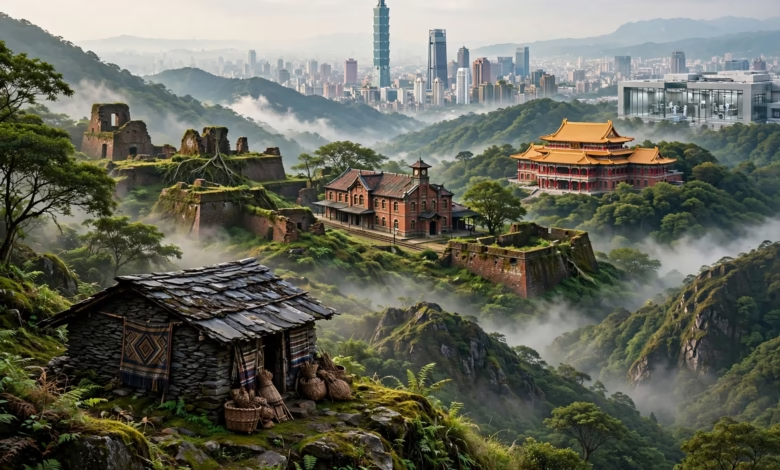
Dawley Opens His Book With A Symbolic Scene, And It Is Not A Political Scene, But An Architectural Scene In The Heart Of Taipei. The Famous Grand Hotel With Its Deep Yellow Roofs And Red Columns Overlooking The Keelung River. This Hotel Which Today Appears To The Tourist As A Symbol Of Traditional Chineseness, Was Built In 1952 On The Ruins Of What Was The Most Important Religious Institution On The Island During Japanese Rule, Which Is The Taiwan Shinto Shrine Dedicated To Prince Kitashirakawa Who Led The Japanese Invasion In 1895. To Place On Top Of A Japanese Colonial Shrine A Hotel That Imitates The Forbidden City In Beijing, That Is Not Just An Architectural Coincidence, But It Is The Essence Of Taiwan’s Entire History, A History Of Erasure And Rewriting, Of Japanization Then Re-Sinicization, Of Each New Regime Trying To Make People Forget The Regime Before It, And Of The People’s Ability At The Same Time To Remember Everything And Store It In A Solid Collective Memory.
Dawley’s Choice Of The Title “A People’s History” Places Him Directly In The Tradition Of The History From Below School That Flourished Since The 1970s, But He Applies It To A Complex Asian Case. The People Here Is Not One Homogeneous Bloc. It Is In Origin Peoples. There Are The Austronesian Indigenous Peoples Who Inhabited The Island For Thousands Of Years And From Whom Today Nearly Sixteen Officially Recognized Groups Descend, Whose Languages Were The Original Languages Of The Island Before Any Chinese Character Reached It. And There Are The Hoklo And Hakka Who Crossed The Strait From Fujian And Guangdong Provinces During The Seventeenth And Eighteenth Centuries And Who Transformed The Western Plains Into Rice And Sugarcane Fields. And There Are The Arrivals After 1945 Who Call Themselves Waishengren, Meaning Children Of The Outside Provinces, Along With One And A Half Million Soldiers And Employees Who Arrived With The Nationalist Party. Then There Are The Japanese Who Settled The Island For A Full Half Century. Taiwan Therefore Is Not An Island With A People, But An Island Made By Successive Migrations, And Each Migration Left Its Language, Its Cuisine, Its Temple, And Its Cemetery.
And At A Time When The Eyes Of The Whole World Are Turning To The Possibilities Of War In The Taiwan Strait, This Book Comes To Remind Us That Taiwan Is Not A Strategic Problem That Needs A Solution, But A Living Society With Four Centuries Of Experience In Dealing With Empires That Come And Go. From The Dutch In The Seventeenth Century Who Built Fort Zeelandia In Tainan, To The Spanish In The North, To The Zheng Family Who Ruled The Island As A Base To Restore Ming Rule, To The Qing Dynasty Who At First Considered Taiwan A Savage Land Beyond The Sea Then Turned It Into A Province In 1887, To The Japanese Who Brought Railways And Electricity And Compulsory Education, To The Nationalist Party Who Brought Repression And Martial Law Then Economic Development, All Of Them Passed, And The People Remained.
If The History Of China Usually Begins With The Yellow Emperor, And The History Of Japan Begins With The Sun Goddess Amaterasu, Then Evan Dawley Insists In His Book “Taiwan: A People’s History” That The History Of Taiwan Begins From A Much Further Place, From The Ocean Itself. And This Is Not A Poetic Choice, But A Rigorous Scientific Choice Proven By The Last Three Decades Of Research In Linguistics And Archaeology And Molecular Genetics. The Languages That Were Spoken In The Mountains And Central Taiwan Four Centuries Ago, And Which Are Still Spoken Today In Sixteen Officially Recognized Tribes, Are Not Chinese Dialects Nor Branches Of Them, But Are The Origins Of A Huge Linguistic Family Called Austronesian That Includes More Than One Thousand Two Hundred Languages Extending From Madagascar Off The Coast Of Africa To Easter Island In The Heart Of The Pacific Ocean, And From Hawaii In The North To New Zealand In The South. And The Astonishment On Which Dawley Builds His First Chapter Entitled “The Indigenous Peoples And The Austronesian World” Is That This Huge Linguistic Family That Covered Half The Globe, It Seems That Its Cradle Was Here, In This Small Island Whose Area Is Thirty-Six Thousand Square Kilometers.
Dawley Relies In That On What Linguists Call The “Out Of Taiwan” Theory Developed By Robert Blust And Paul Jen-Kuei Li And Others, Which Says That Proto-Austronesian Speakers Were Millet And Rice Farmers Who Lived In Taiwan Five Thousand To Six Thousand Years Ago, Then Began Building Double Canoes And Sailing South To The Philippines Then To Indonesia And Malaysia Then To The Open Pacific Ocean. In Other Words, Taiwan Is Not A Margin Of China, But Is The Center Of A Whole World, An Austronesian World, And It Is A Fact That The Traditional Chinese Nationalist Narrative Tries To Obscure By Saying That Taiwan Has Always Been Part Of China Since Ancient Times, While The Archaeological Evidence Presented By The Book Says That The Island Was Inhabited By Hunting And Gathering And Farming Communities That Have No Cultural Or Linguistic Connection To The Central Chinese Plain, And That Han Chinese Did Not Begin To Arrive In Large Numbers Until The Seventeenth Century.
And Here Dawley Pauses Long Before What He Calls “The Optical Illusion Of The Map”. When You Look At A Modern Map Of East Asia, Taiwan Appears Very Close To The Chinese Coast, Only One Hundred And Thirty Kilometers From Fujian, So It Appears As A Natural Extension Of It. But Ancient Mariners Looked At Geography Differently. The Strait Known As The Taiwan Strait, And Known Locally As The Black Sea Because Of Its Strong Currents And Fierce Monsoon Winds, Was A Dangerous Barrier Before The Invention Of Large Sailing Ships. While The Sea Route Southward Via The Philippines Was Much Easier For Early Austronesians Thanks To Favorable Monsoon Winds. Therefore Taiwan Remained For Thousands Of Years Part Of A Southern Maritime World, Not Part Of A Northern Continental World.
The Book Then Takes Us Into The Mountains, To The Peoples Whom Taiwanese Today Call Yuanzhumin, Meaning The Indigenous Peoples, And Who Until The Beginning Of The Twentieth Century Were Called In Chinese And Japanese Documents “Savages” Or “Barbarians”. And Dawley Deliberately Here Tries To Restore Their Historical Dignity By Detailing Their Complex Social Systems. These Were Not Primitive Tribes Living In A State Of Nature, But Were Societies With Advanced Agriculture Dependent On Periodic Forest Burning, With Matrilineal Kinship Systems In Some Tribes Like The Amis, And Patrilineal In Other Tribes Like The Paiwan Whose Chiefs Built Huge Stone Houses From Slate Slabs. And They Had Rich Traditions In Weaving And Tattooing And Headhunting As A Rite Of Passage To Manhood, Traditions That Missionaries And Colonizers Later Tried To Eradicate As Barbaric.
The Pivotal Point On Which The First Chapter Focuses Is Showing How The Idea Of “Taiwan” As A Single Geographical Unit Did Not Exist Among The Indigenous Peoples Themselves. Each Tribe Called Itself A Name Meaning “Humans” Or “The Real People”, And Considered Neighboring Tribes As Strangers. Even The Word “Taiwan” Itself, As Dawley Explains Citing The Latest Research, Is Probably A Distortion Of A Word From The Language Of The Siraya Tribe That Lived Around Present-Day Tainan City, And Was Applied To A Small Place Then Generalized By The Dutch To The Whole Island. That Is, The Name Itself Is The Product Of A Colonial Encounter, Not An Original Name For The Island.
Then The Second Chapter Suddenly Takes Us To The Seventeenth Century, Which Is The Century Dawley Calls “The Century Of Imperial Competition”, When Taiwan Suddenly Became Important Because The Whole World Became Interested In The Trade Of Silk And Silver And Porcelain. Here The Dutch From The Dutch East India Company Enter In 1624, And Build Fort Zeelandia On A Sandy Strip Off Tainan, Not Out Of Love For Taiwan But Because They Were Expelled From The Penghu Islands And The China Gulf And Failed To Occupy Macau, So They Wanted A Base Where They Stop To Buy Chinese Silk And Sell It In Japan In Exchange For Japanese Silver. And The Spanish At The Same Time Come To Build A Fort In Keelung In The North, And Try To Convert The Indigenous People To Catholicism, Before The Dutch Expel Them In 1642.
What Matters To Us In Dawley’s Narrative Is Not The Dates Of The Forts, But What These Colonial Companies Did To People. The Dutch, To Increase The Production Of Sugarcane And Rice And Deer Hides That They Exported, Began Importing Workers From Fujian Province Across The Taiwan Strait. These Fujianese Workers, Who Spoke The Hoklo Dialect, Are The Ancestors Of The Majority Of Taiwanese Today Who Call Themselves Benshengren, Meaning Children Of This Province. Thus The Large Chinese Settlement In Taiwan Was Not A Natural Spontaneous Movement, But Was A Dutch Colonial Project Par Excellence, Creating For The First Time A Dual Society In The Western Plains, A Society Of Settled Indigenous Peoples And A Society Of New Chinese Immigrants.
And Dawley Describes How This Early Tension Between The Two Groups Began, And How The Dutch Tried To Use Land Ownership Documents Written In Dutch To Organize The Relationship, And How The Indigenous Peoples Resisted Led By Figures Such As The Mattau Tribe And Others. Then Comes The Figure Of Koxinga Or Zheng Chenggong, Whom Chinese Books Consider A National Hero Who Recovered Taiwan From Colonialism, But Dawley Re-Reads Him As A Defeated Ming Warlord Who Came To Taiwan In 1661 Not To Liberate It But To Find A Military Base From Which To Launch An Attack To Recover China From The Manchu Qing Dynasty. And During The Short Zheng Family Rule From 1661 To 1683, The Number Of Chinese Immigrants Doubled, And A Process Of Forced Assimilation Of The Plain Indigenous Peoples Began Who Later Became Known As Pingpu, Meaning Plains People, Who Lost Their Languages And Gradually Dissolved Into Han Society.
If The Dutch Opened The Door Of Taiwan To Chinese Immigration, Then The Manchu Qing Dynasty That Ruled China From 1644 To 1911 Is The One That Turned This Open Door Into A Human Flood That Changed The Island’s Course Forever. And Here Evan Dawley Moves In The Third And Fourth Chapters Of His Book From The History Of East India Companies To The History Of A Huge Continental Empire That Did Not Know What To Do With This Island It Inherited From Its Rival Zheng Keshuang In 1683. Emperor Kangxi Himself Said His Famous Sentence Quoted By Dawley At The Beginning Of The Chapter, That Taiwan Is Nothing But “A Ball Of Mud Beyond The Sea”, Not Worth Spending One Soldier Or One Grain Of Rice On By The State, And Some Of His Advisors Suggested Evacuating All Its Chinese Residents And Returning Them To The Mainland And Leaving It To The Indigenous Peoples, But Another Minister Warned Him That That Would Turn It Into A Haven For Pirates And Japanese, So It Was Reluctantly Decided To Annex It As A County Subordinate To Fujian Province.
This Imperial Hesitation Is The Key To Understanding One Hundred And Fifty Years Of Qing Rule In Taiwan, Which Is The Period Dawley Calls “Frontier Rule”. The State Did Not Want To Rule Taiwan Completely, But Only Wanted To Prevent Others From Using It Against It. Therefore It Initially Established What Resembles A Security Belt Along The Western Coast, And Prohibited Official Immigration, And Put Laws Forbidding For Example The Immigration Of Women And Children So That Immigrants Would Not Settle Permanently, But All These Laws Failed Miserably. The Poor Peasants From Quanzhou And Zhangzhou In Fujian, And From Meixian In Guangdong Who Speak The Hakka Dialect, Rode Smuggling Boats At Night And Crossed The Strait Which They Called “The Black Ditch Of Death” Because The Drowning Rate In It Was High, To Reach The Fertile Plains Of Taiwan Which Produced Three Rice Crops Per Year Compared To One Crop In Arid Fujian.
Dawley Describes This Migration Not As An Organized Movement, But As A Chaotic And Violent Process That Created Taiwanese Society As We Know It Today. The Immigrants Did Not Come As Families, But As Gangs Of Armed Single Men Called Luohan, Meaning The Lonely Men, Who Formed Kinship Or Dialect Groups To Defend A Piece Of Land They Seized From The Forest Or From An Indigenous Village. And From Here Was Born A Purely Taiwanese Historical Phenomenon Documented Accurately By Dawley, Which Is “Communal Feuds” Or Fenlei Xiedou, Meaning Armed Conflicts Between Hoklo And Hakka Groups, Or Between Hoklo From Quanzhou And Hoklo From Zhangzhou, Which Sometimes Flared Up For A Dispute Over An Irrigation Canal Or The Right Of Passage In A Market. Taiwan In The Eighteenth Century Appeared To Anyone Who Visited It As A Society Constantly Armed, Each Village With A Bamboo Wall And Its Own Militia, And Each City With A Leader Who Paid Bribes To Qing Officials To Look The Other Way.
And Here Lies Dawley’s Approach That Makes His Book A History Of The People Not A History Of The State. Instead Of Focusing On The Names Of Imperial Rulers In Beijing, He Focuses On How These Immigrants Invented A New Social System For Coexistence. The Temples They Built Were Not Just Places Of Worship, But Were Municipal Councils And Defense Centers And Customary Courts At Once. The Mazu Temple, Goddess Of The Sea Who Protects Sailors, Collected Donations From All New Arrivals, And The Baosheng Temple Which Honors A Legendary Doctor, Settled Land Disputes. They Also Invented Early Credit Institutions Like Early “Rotary Associations” Called Hui, Where Merchants Pool Their Savings To Lend To One Of Them To Start A Project, Which Is The First Seed Of Taiwanese Capitalism That Would Later Flourish.
As For The Indigenous Peoples Of The Plains, Whom Dawley Calls Pingpu Zu, They Found Themselves In The Heart Of This Settler Storm. And The Book Allocates Painful Pages To Describe How They Were Gradually Pushed From The Fertile Plains To The Mountain Foothills, And How The Qing State And Han Immigrants Together Forced Them To Adopt Chinese Names And Bind Their Women’s Feet And Wear Chinese Clothes And Abandon Their Austronesian Languages So They Would Be Registered As “Civilized Subjects” And Thus Avoid The Additional Taxes Imposed On “Savages”. And This Process Which Anthropologists Call “Sinicization”, Is In Essence The First Wide Forced Assimilation Process In Taiwan’s History, And It Is A Model That Would Later Repeat With Japan And With The Nationalist Party. But Dawley Notes That This Sinicization Was Never Complete, Many Hoklo Families Today In Central Taiwan Carry In Their Genes And In Their Cuisine And In Some Words Of Their Dialect Clear Traces Of Ancestors From Indigenous Peoples, Which Explains Why When DNA Tests Were Conducted In The Nineties, Many Taiwanese Discovered They Were Not Pure Han As They Thought.
The Book Then Reaches An Important Turning Point In 1874, When Japan Sent A Military Expedition To Southern Taiwan Under The Pretext Of Protecting Sailors From The Ryukyu Islands Killed By Indigenous Peoples, An Incident That Shocked The Qing Court And Made It Realize For The First Time That Taiwan Is Not A Margin That Can Be Ignored, But Is A Strategic Gap Through Which The Enemy Can Enter. And Here Begins The Chapter “Making A Province”, Where Beijing After Long Discussion Decides To Send One Of The Most Prominent Reform Men In The Self-Strengthening Movement, General Liu Mingchuan, To Govern Taiwan And Transform It From A Subordinate County To An Independent Province In 1887. And Dawley Paints A Wonderful Picture Of This Man Who Tried To Make Taiwan A Laboratory For Chinese Modernity, So He Built The First Chinese Railway Line From Keelung To Taipei To Hsinchu, And Introduced Electric Lighting To Taipei Before It Entered Beijing, And Established Post Offices And Modern Schools, And Tried To Organize The Production Of Camphor Which Taiwan Monopolized Half Of In The World.
But Liu Mingchuan, As Dawley Explains, Collided With The Same Problem That Every Reformer In Taiwan Collided With, Which Is That Local Society Was Stronger Than The State. The Local Merchants And Notables Who Controlled The Trade Of Camphor And Tea And Sugar, Resisted Any Attempt By The State To Organize The Market, And Small Officials Took Bribes, And The Indigenous Peoples In The Mountains Launched Continuous Raids On The Railway Line. Therefore Liu’s Modernity Remained A Superficial Modernity, Beautiful Administrative Palaces In Taipei, But It Did Not Change The Structure Of Society. And When The First Sino-Japanese War Broke Out In 1894-1895 And China Was Defeated, It Was Easy For The Qing Court To Cede Taiwan To Japan In The Treaty Of Shimonoseki As If Ceding An Old Piece Of Furniture, Without Asking The Island’s Residents Who Had Become Three Million People About Their Opinion.
And Here Is The Declaration Of The “Democratic Republic Of Taiwan” In May 1895, Which Lasted Only One Hundred And Fifty Days, And Which Taiwanese Historians Often Consider The First Attempt At Taiwan Independence. But Dawley Reads It Critically, This Republic Was Not Declared By Taiwanese Peasants Or Merchants, But Was Declared By Qing Officials Who Refused To Leave Like Tang Jingsong, And Wrote Its Constitution In Classical Chinese, And Used The Yellow Dragon Flag Of The Qing Family, And Its Real Goal Was Not Independence But Keeping The Island Chinese Until China Becomes Strong And Recovers It. And When The Japanese Army Arrived, Tang Jingsong Fled To The Mainland Leaving The People Of Taiwan To Face Their Fate Alone, And It Is A Betrayal That Taiwanese Will Not Forget And Will Become Part Of Their Collective Memory About How Great Powers Always Sell Them.
When The First Unit Of The Imperial Japanese Army Landed On The Beach Of Audi In Northern Taiwan On The Twenty-Ninth Of May 1895, Japanese Soldiers Expected A Quick Colonial Picnic, For Their Leaders Told Them That The Island’s Residents Would Welcome Them As Liberators From Backward Manchu Rule. But What They Found Was Fierce Resistance That Lasted Six Full Months, Led At First By Remnants Of The Short-Lived Taiwanese Republic Forces, Then Turned Into Guerrilla War Led By Village Chiefs And Landowners And Militia Men Who Knew Every Passage In The Rice Fields And Every Cave In The Mountains. This Resistance To Which Evan Dawley Allocates A Full Chapter Entitled “Invasion And Resistance” Is What Made The Japanese Realize From The First Day That Taiwan Is Not An Easy Colony, And That Its Rule Will Need A Huge Project Of Force And Knowledge At Once.
And Here The Book Highlights A Pivotal Figure In Modern Taiwan History, Which Is Goto Shinpei, The Doctor And Politician Who Was Appointed Head Of Civil Administration In 1898 After Military Administration Failed To Suppress Revolts. And Goto Shinpei Is The Man Who Put The Golden Rules For Japanese Colonialism In Taiwan Which Dawley Summarizes In Three Words, Biology And Survey And Discipline. Goto Said You Cannot Rule A People You Do Not Understand Its Biological Customs And Diseases, Therefore He Sent Missions To Survey The Island A Comprehensive Survey, Survey Of Lands, Survey Of Population, Survey Of Customs, Survey Of Opium, Survey Of Diseases, Survey Of Forests. And This Colonial Survey Was The First Modern Census Conducted In Taiwan, Which Transformed The Island From An Unknown Land In The Eyes Of Qing Administration To An Accurate Map Every Inch Of It Known And Numbered.
From This Survey The Modern State In Taiwan Was Born. The Japanese Who Came To Taiwan Influenced By Ideas Of Western Progress And Social Darwinism, Wanted To Prove To The World That Japan Is Not A Backward Asian State, But Is A Modern Colonial Power Like Britain And France, And That Taiwan Will Be The Model That Proves That. Therefore They Started Two Huge Projects And They Are Railways And Ports. The Railway Line Started By Liu Mingchuan Intermittently, Japan Completed It To Connect From Keelung In The Far North To Kaohsiung In The Far South In 1908, Which Is The Line That Still Today Is The Backbone Of Transportation On The Island. And The Two Main Ports, Keelung Which Was Called Shiro And Kaohsiung Which Was Called Takao, Were Dredged And Expanded With The Latest German Machines, So That Keelung Became Able To Receive Huge Warships, Which Made Taiwan A Logistical Base For The Japanese War Later In Southeast Asia.
But Japanese Modernization Was Not Just Iron And Cement, But Was A Complete Social Project. And The Author Pauses Long Before What He Calls “Opium And Police Policy”. The Japanese Inherited From Qing Rule The Problem Of Opium Addiction That Was Devastating A Quarter Of Adult Male Population, So Instead Of Banning It Immediately As Some Moral Voices In Tokyo Demanded, Goto Shinpei Decided To Monopolize Its Trade And Sell It At High Prices And Register Addicts And Prevent Newcomers From Addiction, Using Its Profits To Finance Building Schools And Hospitals. And It Is A Harsh Pragmatic Policy But It Succeeded, So Addiction Rate Dropped From Hundreds Of Thousands To A Few Thousands Within Thirty Years. At The Same Time The Japanese Built A Police System The Densest In The World At That Time, One Policeman For Every Six Hundred People, And The Japanese Policeman In The Taiwanese Village Was Everything, He Was Responsible For Health And Education And Taxes And Agriculture, And He Collected Data And Gave Vaccinations And Organized Bathroom Cleaning Campaigns.
And Here Comes The Big Moral Question That The Book Addresses, Was Japanese Colonialism Good For Taiwan Or Bad? And He Refuses The Easy Answer. He Cites Testimonies From Taiwanese Peasants Who Benefited From The Introduction Of Ponlai Japanese Rice Varieties That Doubled Production, And From The Modern Irrigation System Built By Japanese Engineer Hatta Yoichi In The Chianan Plain Which Turned An Arid Plain Into A Breadbasket, And From Compulsory Primary Education That Made Literacy Rate In Taiwan In 1940 Higher Than In Many Areas Of China And Japan Itself. But On The Same Page He Cites Other Testimonies About Forced Confiscation Of Lands To Establish Sugarcane Farms Belonging To Mitsubishi Company, And About Preventing Taiwanese From Entering Secondary Schools And Universities Except In Limited Numbers, And About The Policy Of “Japanization” Or Kominka In The Last Years Of War That Forced Taiwanese To Change Their Names To Japanese Names And Speak Only Japanese And Worship The Emperor In Shinto Shrines.
And Dawley Continues In Analyzing The New Class Created By Japanese Colonialism, Which Is The Modern Taiwanese Elite Class That Did Not Exist Before. Families Like The Yan Family In Keelung That Owned Coal Mines, And The Lin Family In Wufeng That Owned Vast Lands, Learned How To Deal With The New System. So They Sent Their Sons To Study In Tokyo And Kyoto, And Learned Japanese Fluently, And Wore Western Suits, But At The Same Time Maintained Their Chinese Commercial Networks And Funded Private Schools That Taught In Chinese Secretly. This Dual-Language And Dual-Identity Elite Is The One That Will Later Lead The Taiwanese Cultural Movement In The Twenties Of The Past Century, When Taiwanese Students In Tokyo Like Lin Xiantang And Cai Peihuo Demanded A Special Taiwanese Parliament And Founded The Newspaper “Taiwan Minbao” Which Demanded Self-Rule.
And The Book Does Not Forget The Stories Of Women Who Found In The Japanese System An Opportunity For Liberation, Like Stories Of The First Taiwanese Female Teachers Who Graduated From Japanese Teachers Schools And Became Teaching Taiwanese Girls, Or Stories Of Nurses Who Worked In New Hospitals. It Also Does Not Forget The Stories Of Indigenous Peoples Who Faced The Fiercest Subjugation Policies, Where The Japanese Used Artillery And Aircraft And Electrified Electric Fence To Besiege Them In The Mountains, And Forced Them To Plant Rice Instead Of Planting Millet With The Burning System, And Took Their Children To Boarding Schools To Teach Them Japanese. But Even Here The Author Finds Complex Human Stories, Like The Story Of The Legendary Seediq Fighter Mona Rudao Who Led The Wushe Uprising In 1930 And Killed More Than One Hundred Japanese In An Attack On A School, Then Committed Suicide In The Forest, Who Has Today Become A National Hero In Independent Taiwan, And Whose Face Appears On A Banknote.
There Is A Black And White Photographic Picture In The Middle Of The Book, And It Seems He Deliberately Placed It As A Visual Separator Between Two Eras, And It Is A Picture Of Taiwanese Workers In Taipei On The Fifteenth Of August 1945 Crying In Front Of A Large Wooden Radio Broadcasting Emperor Hirohito’s Surrender Speech. The Scene Is Confusing For Anyone Who Does Not Know Taiwan’s History, These People Who Were Ruled By Japan For Half A Century, And Many Of Whose Youth Were Forced To Fight In The Emperor’s Army In The Philippines And New Guinea, Were Crying Out Of Sadness For Japan’s Defeat, Not Joy At It. And To The Chapter “From Japanization To Sinicization” Is The Key To Understanding The Tragedy That Will Follow, Taiwanese In 1945 Did Not Consider Themselves Chinese Awaiting Liberation By The Motherland, But Considered Themselves Japanized Taiwanese, Speaking Japanese Fluently, Reading Japanese Newspapers, And Knowing The Imperial Anthem, And When They Heard That China Will Rule Them, They Imagined It Would Be Like Japan, A Modern Organized State.
And What Happened After That Was A Civilizational Shock That Taiwan’s History Has Not Witnessed Its Like, Even By The Standards Of Its History Full Of Shocks. The Chinese Government Sent By Chiang Kai-Shek To Receive The Island Was Not A Modern Government, But Was Remnants Of A War-Weary System, Exhausted From Eight Years Of Fighting Against Japan And Four Years Of Civil War Against The Communists. The Soldiers Who Landed In Keelung Port In October 1945, As Eyewitnesses Quoted By Dawley Describe Them, Wore Torn Clothes And Straw Clogs, And Carried Rice Cooking Pots On Their Backs, And Did Not Know How To Use Modern Toilets Built By The Japanese, So That Some Of Them Thought That Water Taps Are For Drinking Directly So Tried To Wash From Them. And Within A Few Days, The Streets Of Taipei Which Were The Epitome Of Cleanliness In Asia Turned Into Chaos Of Looting And Confiscation.
Dawley Analyzes What He Calls “Booty Economy”. The Nationalist Party Did Not Come To Taiwan As A Government, But As An Occupation Army Considering The Island A War Booty Compensating For Its Losses In The Mainland. So All Japanese Public And Private Properties Were Confiscated, Which Constituted More Than Eighty Percent Of The Taiwanese Economy, And Transformed Into Monopolistic Companies Belonging To The State Like The Taiwan Sugar Company And The Electricity Company And The Tobacco And Wine Company, Which Became Managed By Employees From China Who Know Nothing About Taiwan And Do Not Speak Its Language, Neither Hoklo Nor Japanese. And In A Few Months Production Collapsed, And Inflation Rose By Four Hundred Percent, And Unemployment Spread Among Taiwanese Who Were Fired From Their Jobs To Be Replaced By Newcomers.
But The Real Catastrophe, As Dawley Narrates It In A Journalistic Style That Moves Away From The Language Of Numbers To Approach The Language Of Victims, Happened On The Twenty-Seventh Of February 1947. The Incident Seems Trivial On Its Surface, Inspectors From The Tobacco Monopoly Office Confiscating Smuggled Cigarettes From An Elderly Street Vendor Named Lin Jiangmai In Taiping District In Taipei, So She Begs Them, So One Of Them Hits Her With A Pistol On Her Head Until She Bleeds, So People Gather, So One Of The Inspectors Fires Randomly And Kills A Bystander. In Any Other Place This Would Be A Passing Incident, But In Taipei In 1947 It Was The Spark That Detonated A Powder Keg Of Accumulated Anger Since A Year And A Half. The Next Day, The Twenty-Eighth Of February, Students Of National Taiwan University And Its Employees And Railway Workers Went Out In A Peaceful Demonstration To The Office Of Governor Chen Yi, So He Ordered Shooting At Them, So Dozens Were Killed. And Within One Week, The Uprising Spread Across The Whole Island, And Taiwanese Formed Resolution Committees In Each City To Manage Their Affairs, And Demanded Reform And Self-Rule.
And The Reaction Of Chiang Kai-Shek Who Was Still In Nanjing, Was Brutal Without Limits. He Sent The Twenty-First Division Of The Army, Which Is A Division Trained To Suppress Communists, Which Landed In Keelung And Kaohsiung And Started A Systematic Killing Campaign Lasting Three Months. And Dawley Estimates Citing The Latest Archival Research That The Number Of Dead Ranged Between Eighteen Thousand And Twenty-Eight Thousand, Most Of Them From The Educated Taiwanese Elite, Doctors And Lawyers And Teachers And Students And Journalists And Members Of Resolution Committees Who Thought They Were Negotiating With The Government. And Among The Most Famous Of Them Lawyer Lin Mosei Who Spoke English Fluently And Was A Member Of The Investigation Committee Into The Cigarette Incident, So He Was Arrested And Killed And His Body Thrown Into The Tamsui River. This Massacre Known In Taiwan As Er Er Ba, Meaning 2-28, Is The Foundational Wound Of Modern Taiwan, And As Dawley Says, What Is Equivalent To The Armenian Massacre For Armenians Or The Holocaust For Jews, A Point After Which History Begins.
And The Book Allocates Long Pages To What Followed It, Which Is What Is Called “White Terror” That Lasted From 1947 To 1987, That Is Forty Years Of Martial Law, Which Is The Longest Period Of Martial Law In Modern World History. After The Defeat Of The Nationalist Party In China And Its Escape To Taiwan In December 1949 With One And A Half Million Soldiers And Employees And Refugees, Chiang Kai-Shek Turned The Island Into A Military And Police Fortress. So More Than One Hundred And Forty Thousand Taiwanese Were Arrested On Charges Of Communism Or Treason Or Even Just Reading A Banned Book, And Between Three Thousand And Four Thousand Of Them Were Executed, And Tens Of Thousands Imprisoned For Twenty And Thirty Years In Prisons Like Green Island Prison Or The Green Island, Which Is A Small Island Off The Eastern Coast That Was Run As A Concentration Camp.
And Here Dawley Returns To His Favorite Architectural Symbol, The Grand Hotel, To Explain How The Nationalist Party Tried To Erase Japanese Memory And Build A New Chinese Memory. In 1952, Madame Chiang Kai-Shek, Soong Meiling, Ordered The Demolition Of The Taiwan Shinto Shrine Which Was The Largest Shinto Shrine Outside Japan, Which Was Built On Yuanshan Mountain To Overlook Taipei, And Building A Huge Hotel In Its Place In The Northern Chinese Palace Style, With Yellow Arched Roofs And Red Columns, To Be A Place To Host Foreign Guests And To Tell The World That Taiwan Is Free China, Is The Real China, While China In Beijing Is Fake And Communist. Even Street Names Were Changed, So Meiji Street Which Honored Emperor Meiji Japanese Became Zhongshan Street In Honor Of Sun Yat-Sen, And Showa Street Became Zhongzheng Street In Honor Of Chiang Kai-Shek. And Pupils In Schools Were Forced To Speak Mandarin Only, And Speaking Hoklo Or Hakka Or Japanese In Schools Was Prohibited, And Whoever Is Caught Red-Handed A Board Is Hung On His Neck Written On It “I Am A Pig Because I Do Not Speak Mandarin”.
This Policy Which Dawley Calls “Forced Re-Sinicization” Failed To Achieve Its Goal, But Achieved The Opposite Of It Completely. Instead Of Making Taiwanese Feel That They Are Chinese, It Made Them Feel That They Are Colonized Again, But This Time By Chinese Who Speak The Same Written Language But With A Different Dialect. And A New Consciousness Began To Form, Which Is The Consciousness That There Are Two Peoples On The Island, Benshengren Who Were There Before 1945, And Waishengren Who Came After 1945, And That The Relationship Between Them Is Not A Relationship Of Brothers Who Returned After Absence, But A Relationship Of Ruler And Ruled.
When The Tourist Today Visits The Hsinchu Science Area In Northwestern Taiwan, Where The Factories Of TSMC Company Which Manufactures More Than Ninety Percent Of The World’s Advanced Chips Are Located, He Sees Clean Glass Buildings And Wide Roads And Fine Restaurants, And May Think That This Technological Miracle Was Born In A Liberal Democratic Vacuum. But Evan Dawley In The Seventh Chapter Of His Book Which Carries A Provocative Title Which Is “Developmental Dictatorship”, Insists That The Opposite Is True, And That The Taiwanese Economic Miracle Did Not Happen Despite The Authoritarian Rule Of The Nationalist Party, But Because Of It Directly, And That Understanding This Dialectical Relationship Between Repression And Development Is The Key To Understanding Modern Taiwan.
Dawley Begins This Chapter From A Point That Seems Far From Technology, Which Is The Land Reform In The Early Fifties, Which Many Economists Consider The Cornerstone Of Everything That Followed. The Nationalist Party Which Fled To Taiwan Had Learned A Harsh Lesson From Its Defeat In The Mainland, Which Is That If You Do Not Give Peasants Land They Will Give Their Votes To The Communists. Therefore, Under Pressure From Its American Advisors From The Joint Commission On Rural Reconstruction JCRR, It Implemented A Land Reform Of Three Stages That Was The Most Radical In Non-Communist Asia. First It Reduced Rent From More Than Fifty Percent Of The Crop To Thirty-Seven And A Half Percent, Then Sold Public Lands That Were Owned By The Japanese To Peasants At Cheap Prices, Then Forced Large Taiwanese Landlords To Sell Their Lands To The State In Exchange For Shares In State-Owned Industrial Companies. Thus, Overnight, Hundreds Of Thousands Of Tenant Farmers Turned Into Small Owners, And Large Landowners Turned From Agricultural Feudal Lords Into Industrial Capitalists Forced To Invest In Factories.
But Dawley Does Not Portray This Reform As A Charitable Act, But As A Smart Political Act. The Nationalist Party Did Not Have Historical Legitimacy In Taiwan, So It Wanted To Buy Economic Legitimacy. The Money That Financed This Reform Was Not Chinese, But Was Almost Entirely American. Between 1951 And 1965, Taiwan Received More Than Four Billion Dollars Of American Aid, Which Is A Huge Amount Equivalent To More Than Six Percent Of Its GDP Annually, Which Made Taiwan The Second Largest Recipient Of American Aid In The World After Israel. And This Money Was Not Used Only To Buy Weapons, But To Build Dams And Power Stations And Roads And Agricultural Schools That Taught Farmers To Use Chemical Fertilizers And Pesticides.
From Agriculture The Book Moves To Industry, And Here The Pivotal Role Of A Figure Neglected By Many Books Appears, Which Is The Engineer And Minister Of Economy Li Kuo-Ting, Whom Dawley Calls “The Engineer Of The Miracle”. Li Kuo-Ting Who Studied At Cambridge, Is The One Who Convinced Chiang Kai-Shek And His Son Chiang Ching-Kuo That Taiwan Cannot Live On Aid Forever, And That It Must Transform From An Import Substitution Economy That Produces For The Small Local Market, To An Export-Oriented Economy That Produces For The World. In 1960 The Investment Encouragement Law Was Issued, And In 1966 The First Export Processing Zone In The World Was Established In Kaohsiung, Which Is An Idea Copied After That By All Countries Of The World From China To Dubai. And The Idea Was Simple But Revolutionary, To Bring A Foreign Investor, Give Him Cheap Land And Cheap Electricity And Cheap Labor Not Allowed To Strike Because Of Martial Law, And Allow Him To Import Raw Materials Without Customs And Export The Final Product Without Taxes, Provided That He Employs Taiwanese And Teaches Them.
And Dawley Describes How Kaohsiung Factories In The Beginning Manufactured Simple Things Like Umbrellas And Plastic Toys And Shoes, And How Taiwanese Girls Who Migrated From Villages To Cities Worked Sixteen Hours A Day For One Dollar, And How Songs Of Singer Teresa Teng Were Broadcast In Factories To Raise Productivity. But These Simple Factories Are What Created A New Working Class And A New Middle Class, And Collected Huge Savings Invested Later In More Complex Factories. And When The Oil Crisis Struck In 1973 Taiwan Which Has No Oil, It Did Not Collapse As Many Countries Collapsed, But Chiang Ching-Kuo Who Succeeded His Father In 1975 Decided To Launch “The Ten Major Construction Projects”, Which Are A Highway Network From North To South, And A New International Airport In Taoyuan, And A Huge Port In Taichung, And Factories For Steel And Petrochemicals And Shipbuilding. And All Of Them Losing Projects In The Short Term, But They Laid The Infrastructure That The Chip Industry Would Need After Twenty Years.
And Dawley Does Not Forget The Dark Side Of This Development. The Factories That Were Run Like Military Barracks, Free Unions Were Banned In Them, And The Intelligence Apparatus Called Taiwan Garrison Command Planted Its Informers In Every Factory And University And Neighborhood. And The Book Cites Terrifying Stories About How Students At National Taiwan University Wrote Reports About Their Professors, And How Neighbors Wrote Reports About Their Neighbors, And How Just Listening To Beijing Radio Or Reading A Book By Marx Was Enough Reason For Ten Years Imprisonment In Green Island. But Dawley Notes A Deep Paradox, Which Is That This Repression Itself Is What Pushed Many Talented Taiwanese Who Did Not Find A Place For Them In The State Controlled By Newcomers, To Go To The Private Sector, So They Established Small And Medium Companies In Their Home Garages Manufacturing Nails And Bicycle Spare Parts, Which Are Companies That Would Later Turn Into Empires Like Foxconn That Manufactures iPhone Phones.
Then Comes The Most Exciting Chapter In This Section, Which Is The Semiconductor Chapter, Where Dawley Reveals How The Decision To Establish The Industrial Technology Research Institute ITRI In 1973, And The Decision To Send Hundreds Of Taiwanese Engineers To Train In The American RCA Company Then The Decision To Convince Morris Chang, The Taiwanese-American Engineer Who Was Vice President Of Texas Instruments Company, To Return To Taiwan In 1985 To Found TSMC, Were Not Free Market Decisions, But Were Decisions Of An Authoritarian State Planning Far Ahead. Morris Chang Did Not Return Because He Loved The Free Market, But Because Li Kuo-Ting Convinced Him That The State Will Finance His Company And Protect Him And Give Him The Best Engineers, And That It Will Be A National Project.
What Dawley Wants To Say Is That Taiwan Is Not A Liberal Success Story, Nor A Confucian Success Story, But Is A Success Story Of A Developmental Authoritarian State That Used Repression To Ensure Stability, And Used Stability To Attract Investment, And Used Investment To Build A New Legitimacy After It Lost Its Political Legitimacy With The 2-28 Massacre. And This Developmental State Is The One That Created By Coincidence, And Without Intending, An Educated And Rich Middle Class Independent Of The State, Which Is The Class That Will Later Demand Democracy And Overthrow The Same Dictatorship That Created It.
To “The Opposition Outside The Party” Or In Chinese Tangwai, Which Is The Word That Became A Proper Name In Taiwan’s History. In Taiwan Of The Seventies, The Nationalist Party Was The Only Legally Allowed Party, And Local Elections Were Held But Independent Candidates Were Subjected To Fraud And Arrest And Beating. And In This Suffocating Climate, A New Generation Of Taiwanese Lawyers And Journalists And Professors Who Studied In The United States And Japan And Returned With Ideas About Human Rights And Democracy Emerged, And Decided To Run As Independents, That Is As Opposition Outside The Party. And Among The Most Prominent Of Them Were Kang Ning-Hsiang And Huang Hsin-Chieh Who Founded The Magazine “Taiwan Politics” In 1975 Which Was Printed Secretly And Distributed Hand By Hand And Read Until Its Pages Were Torn.
And Dawley Allocates Pages To Two Incidents Considered Turning Points Of Democratic Transformation In Taiwan, The First Incident Is The Zhongli Bridge Incident In 1977, When The Nationalist Party Tried To Rig Local Elections In Zhongli City In Favor Of Its Candidate, So Tens Of Thousands Of Taiwanese Peasants And Workers Went Out For The First Time Since The 2-28 Massacre Thirty Years Ago And Burned The Police Station And Overturned Police Cars, And Forced The Government To Recognize The Victory Of The Opposition Candidate. It Was The First Time That Taiwanese Discovered That The Street Can Defeat The State.
As For The Second Incident It Is The Kaohsiung Incident On The Tenth Of December 1979, Which Is The International Human Rights Day, When The Magazine “Formosa” Or “Meilidao” Which Was The Mouthpiece Of The Opposition Organized A Peaceful Demonstration In Kaohsiung City Demanding The Abolition Of Martial Law And Freedom Of Press. And The Government Responded By Sending Riot Police Who Surrounded Demonstrators And Beat Them With Batons And Fired Tear Gas, Then Arrested That Night Almost All Opposition Leaders, Eight People Who Later Became Known As “The Big Eight Of Kaohsiung”, Among Them Hsieh Ming-Teh Who Had Already Spent Twenty-Five Years In Prison, And Yao Chia-Wen And Lin Yi-Hsiung.
The Government Wanted To Make It A Show Trial To Prove That The Opposition Are Agents Of The Communists, So It Allowed For The First Time Foreign Journalists And Observers From Amnesty International To Attend It, And Summoned Young Lawyers To Defend The Accused, And Among These Lawyers Was A Young Man Named Chen Shui-Bian, And A Young Girl Named Tsai Ing-Wen, And They Are The Two Names Who Would Later Become Presidents Of Taiwan. And In Court, Instead Of Asking For Mercy, The Defendants Stood And Explained To Judges And To The World That They Are Not Against China, But Against Dictatorship, And That They Want A Democratic Taiwan That Respects Human Rights. And When The Court Sentenced Them To Harsh Sentences Ranging Between Twelve Years And Life Imprisonment, They Transformed In The Eyes Of The Taiwanese Street From Criminals To National Heroes.
And Dawley Explains Why The State Could Not Crush Them As It Crushed The Opponents Of 2-28 Thirty Years Before. The First Reason Is The Economy, Taiwan In 1979 Was No Longer A Poor Agricultural Island, But Became The Factory Of The World, And The Middle Class That Was Afraid Of Politics Became Owning Colored Televisions Watching The Trial On Them, And Became Owning Savings Allowing It To Donate To Families Of Detainees. And The Second Reason Is The United States, After Washington Cut Its Diplomatic Relations With Taipei And Recognized Beijing On The First Of January 1979, The Nationalist Party Needed A New Legitimacy, A Democratic Legitimacy, To Tell The World It Is Different From The Communists In Beijing. And The Third Reason Is The Death Of Chiang Kai-Shek In 1975 And The Rise Of His Son Chiang Ching-Kuo Who Was More Pragmatic And Less Ideological, And Who Realized That Repression No Longer Worked.
And Here The Book Enters A Pivotal Figure Without Whom Modern Taiwan Cannot Be Understood, Which Is The Figure Of Lee Teng- Hui, The First President Of Taiwanese Origin For Taiwan. Lee Teng- Hui Who Was Born In 1923 To A Wealthy Taiwanese Family In The Suburbs Of Taipei, And Studied Agriculture At Kyoto University Japanese Then Obtained A Doctorate In Agricultural Economics From Cornell University American, And Spoke Japanese And English And Hoklo And Mandarin Fluently, And In His Youth Had Joined The Japanese Communist Party Then The Nationalist Party, Is A Model Of The Complex Taiwanese Identity That Dawley Describes. When Chiang Ching-Kuo Chose Him As His Vice In 1984, Many Generals Of Newcomers Thought He Was Just A Taiwanese Facade For A Newcomer Regime, But Lee Teng- Hui Was Smarter Than All Of Them.
After The Death Of Chiang Ching-Kuo In January 1988, Lee Teng- Hui Used His Position As Head Of The Nationalist Party To Dismantle The Party From Inside, So He Abolished Martial Law In 1987, And Allowed The Establishment Of New Parties, So The Democratic Progressive Party Was Established On 28 September 1986 Illegally In The Grand Hotel Itself Which Was Built Over The Japanese Shrine, In A Historical Paradox Recorded Cleverly By Dawley. And Allowed The Return Of Political Exiles From America And Japan, And Allowed Newspapers To Criticize The President, And Held The First Full Parliamentary Elections In 1991, And The First Direct Presidential Elections In 1996.
But The Most Important Thing Lee Teng- Hui Did, As Dawley Argues, Is That He Changed The Official Historical Narrative. Instead Of Saying That Taiwan Is Free China That Will Liberate The Mainland, He Began To Say That Taiwan Is A Community Of Shared Destiny, Or In Chinese Ming Yun Gong Tong Ti, Meaning That Everyone Who Lives In Taiwan, Whether Indigenous Or Hoklo Or Hakka Or Newcomer Who Came In 1949, Is Taiwanese, And That Taiwan Has Its Own History Different From China. And For The First Time History Books In Schools Introduced A Chapter About Indigenous Peoples And About Dutch And Japanese Rule, Not Only About Chinese Emperors. And This “Taiwanization” Or Benhua Of Curricula Is What Created A Whole Generation Of Taiwanese Youth Who Consider Themselves Taiwanese Only And Not Chinese.
And Dawley Connects This Chapter With The Scene Of The 2000 Election When Opposition Candidate Chen Shui-Bian, The Lawyer Who Defended Kaohsiung Detainees, Won The Presidency, To Become The First President From Outside The Nationalist Party In Taiwan’s History, And It Is A Peaceful Transfer Of Power That Had Not Happened Before In Any Chinese-Culture State. And In His Inauguration Speech, Chen Said He Will Be President Of All Taiwanese, And It Is The Sentence That Summarizes The Journey Of A People From Bloody Division In 1947 To Democratic Reconciliation In 2000, And It Is The Journey Documented By This Book As The Most Important Achievement Of The Taiwanese People, More Important Even Than Its Economic Miracle.
When Tsai Ing-Wen, The Law Professor Who Was A Young Lawyer In The Kaohsiung Trial In 1979, Won The Presidency Of Taiwan In 2016, Then Was Re-Elected In 2020 With More Than Eight Million Votes, Which Is The Highest Voting Percentage In The Island’s History, It Seemed To Many Observers That Taiwan’s Story Had Been Completed, And That Democratic Transformation Had Reached Its Happy Ending. But Evan Dawley In The Ninth And Tenth Chapters Of His Book “Taiwan: A People’s History” Argues The Exact Opposite, Democracy In Taiwan Is Not The End Of History, But Is The Beginning Of A New More Complex History, Where The Conflict Is No Longer Between Benshengren And Waishengren, Or Between Dictatorship And Democracy, But Has Become A Conflict About What It Means To Be Taiwanese In The Twenty-First Century, And Who Has The Right To Claim This Identity.
Dawley Begins This Section From Where The Previous Section Ended, From The Moment Of The Historic Apology Presented By Tsai Ing-Wen On The First Of August 2016 To The Indigenous Peoples In The Name Of The Government For Four Centuries Of Pain And Injustice, And It Is The First Time In Asian History That A Government Presents A Formal Apology To Indigenous Peoples In The Way Of Canada And New Zealand. And This Apology Was Not Just A Symbolic Movement, But Was A Recognition That The Narrative Of Taiwan As A Chinese Island Or Even As A Han Taiwanese Island Had Neglected The Indigenous Peoples Who Today Constitute Less Than Three Percent Of The Population But Constitute The Moral And Cultural Foundation Of The Island. And Dawley Describes How In Recent Years An Unprecedented Linguistic And Cultural Revival Movement Began, So The Languages Of Amis And Paiwan And Rukai Began To Be Taught In Public Schools, And The Names Of Indigenous Tribes Began To Be Written On Train Station Signs, And Artists Like The Amis Singer Amit Who Sings In Amis Language Became A Pop Star In The Whole Chinese World.
And Dawley Does Not Forget To Link This Social Progress With The Second Economic Transformation Witnessed By Taiwan After 2000, Which Is The Transformation From “The Factory Of The World” That Manufactures Shoes And Toys, To “The Brain Of The World” That Manufactures Chips No One Else Can Manufacture. And Here He Returns To The Story Of TSMC And Morris Chang That He Started In The Previous Chapter, But He Adds To It A New Geopolitical Dimension, Which Is What He Calls “Silicon Shield”. Taiwan Which Today Manufactures More Than Sixty Percent Of The World’s Chips And More Than Ninety Percent Of Advanced Chips Less Than Seven Nanometers, Has Become Indispensable To The Global Economy, Every iPhone Phone And Every Tesla Car And Every American Missile Needs A Taiwanese Chip, And This Mutual Dependence Is What Makes The United States And Japan And Europe Interested In Defending Taiwan Not Only Out Of Love For Democracy, But Out Of Love For The Continued Flow Of Chips.
But Dawley Warns Against Excessive Romanticism Around The Silicon Shield, He Cites Interviews With Workers Of Hsinchu Factories Who Work In Clean Rooms In White Suits For Twelve Hours, And With Residents Of Villages Around Factories Who Complained Of Groundwater Depletion, And With Taiwanese Youth Who Complain That Salaries No Longer Rise Despite The Huge Profits Of TSMC, And That Apartment Prices In Taipei Have Become Among The Most Expensive In The World, And That The Ordinary Taiwanese Young Man Works More Than The Korean And Japanese But Earns Less. And This Gap Between The Image Of Taiwan As A Great Technological Power And The Reality Of Difficult Daily Life, Is What Led To The Sunflower Movement In 2014, When University Students Occupied The Parliament Building For Twenty-Three Days In Protest Against A Free Trade Agreement With China They Considered Would Sell Taiwan To Beijing, And It Is The Movement That Dawley Considers The Moment In Which A New Generation Of Taiwanese Was Born Who Do Not Fear China And Do Not Want To Be Part Of It.
And The Book Allocates A Full Chapter To The Issue Of Identity Which Has Today Become The Central Question In Every Opinion Poll In Taiwan. In 1992, When The First Poll About Identity Was Conducted, Only Twenty-Five Percent Of People Said They Are Taiwanese Only, While Forty-Six Percent Said They Are Chinese And Taiwanese Together. As For In 2023, More Than Sixty-Three Percent Said They Are Taiwanese Only, And Less Than Three Percent Said They Are Chinese Only. This Dramatic Transformation, As Dawley Argues, Is Not The Result Of Propaganda Of The Democratic Progressive Party, But Is The Result Of Daily Experience, The Young Man Born After 1990 Did Not Travel To China Except As A Tourist, And Did Not Serve In An Army That Wants To Liberate China, And Did Not Study A Curriculum That Says Mongolia Is Part Of China, But Studied That Taiwan Has Its Mountains And Its Rivers And Its Own History, And Saw A President Like Him Speaking English And Visiting Buddhist Temples And Christian Churches And Indigenous Villages.
And Dawley Concludes With A Scene From The January 2024 Elections In Which Lai Ching-Te, Vice President Of Tsai Ing-Wen, Won The Presidency Despite All Chinese Threats And Military Maneuvers Around The Island, And Despite Disinformation Campaigns On TikTok And Facebook. On Election Day, Millions Of Taiwanese Lined Up In Long Queues In Front Of Polling Centers, Some Carrying Children And Some Carrying Dogs, Some Wearing Clothes With The Taiwan Flag Which The United Nations Does Not Recognize, And Some Wearing Clothes With The Flag Of Indigenous Peoples. And In The Evening, When Results Were Announced, No Riots Happened And The Army Did Not Come Out, But The Loser Came Out And Congratulated The Winner, And It Is A Practice That Has Become Normal In Taiwan But Still Remains A Distant Dream In Most Neighboring Countries. And This, As Dawley Says, Is The Greatest Achievement Of The Taiwanese People, That It Transformed An Island That Until 1987 Was Ruled By Martial Law Into One Of The Most Vibrant Democracies In The World, Not Through A Violent Revolution, But Through The Accumulation Of Small Daily Courages.